



The Core of the Matter
When runners hear “core,” they often think of abdominal muscles. But a truly strong core is a 3D system of deep muscles in your abdomen, lower back, hips, and pelvis that work together to stabilise your body. A weak or unengaged core forces other muscles to compensate,
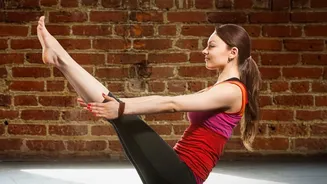
leading to poor posture, wasted energy, and a higher risk of injury. Pilates excels at targeting these deep stabilising muscles, like the transverse abdominis and pelvic floor, which are crucial for maintaining proper alignment and stability while you run. It’s not about building a six-pack; it’s about creating a solid, reliable foundation for every stride.
Building Better Running Form
A strong core directly translates to better running posture. By stabilising the pelvis and spine, Pilates helps you run more upright, preventing the slouching that often happens as fatigue sets in. This improved alignment is more energy-efficient, allowing you to run longer with less effort. Furthermore, Pilates addresses common muscular imbalances. Running is a repetitive, forward-motion activity that can lead to overdeveloped quadriceps and tight hip flexors, while glutes and hamstrings can become comparatively weak or inactive. Pilates exercises like bridging variations specifically activate the glutes and hamstrings, teaching your body to source power from these larger muscle groups for a more powerful and efficient stride.
Breathing for Endurance
One of the fundamental principles of Pilates is controlled, intentional breathing. This focus isn't just for relaxation; it's a practical tool for endurance. Pilates teaches you how to breathe more deeply and efficiently by engaging your diaphragm and expanding your rib cage. For runners, this translates into a more efficient oxygen supply to working muscles. Mastering these breathing techniques can help you maintain an even pace, delay the sensation of fatigue, and stay in a steady rhythm, especially during the challenging later stages of a long run.
An Antidote to Common Injuries
Many common running ailments, such as IT band syndrome, runner's knee, and lower back pain, can often be traced back to muscular imbalances and poor biomechanics. Pilates is highly effective for injury prevention because its slow, controlled movements help you retrain your mechanics without the high impact of running. By strengthening lateral hip muscles, it improves stability and prevents knees from collapsing inward. The practice also enhances flexibility and mobility, especially in the hips and hamstrings, which can become notoriously tight in runners. This increased range of motion allows for a more fluid running form and reduces strain on joints and connective tissues.
How to Get Started
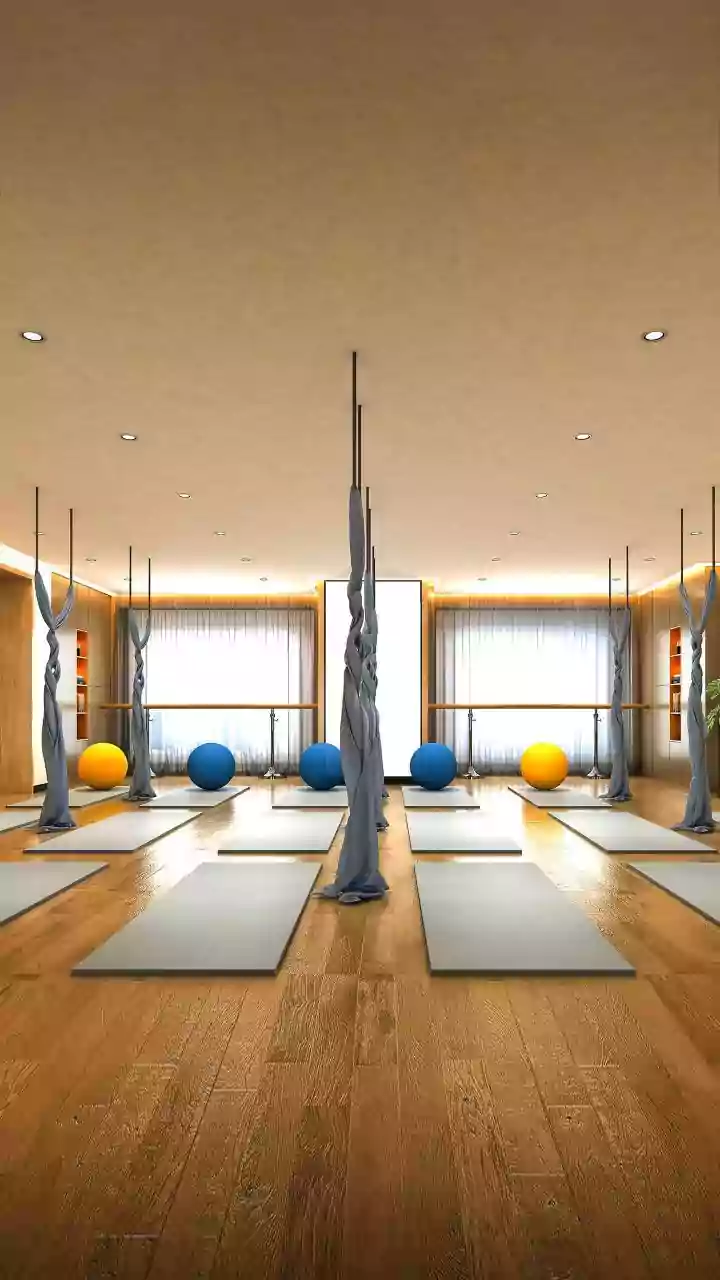
Integrating Pilates into your running schedule doesn't have to be complicated. You can start with one or two sessions a week, either on a mat at home or in a studio. Mat Pilates is accessible and provides a great foundation, while Reformer Pilates uses spring-based resistance that can provide targeted feedback to help you find and engage the right muscles. Many runners report feeling a difference in their stability and control after just a few sessions. Consider a short pre-run routine to activate your core and glutes, and use post-run Pilates stretches to release tension and aid recovery.