






Why Your Balcony Matters
As Indian cities expand, green spaces shrink, leaving pollinators with fewer places to feed and rest. These insects—including hundreds of species of native bees, butterflies, moths, and flies—are crucial for our ecosystem and food supply. A study in Bengaluru
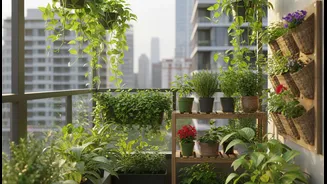
noted that urban areas can, surprisingly, act as refuges for pollinators like the giant honey bee, which are losing habitats on farmland. By creating a pollinator-friendly space, your balcony becomes a vital stepping stone in a larger network of mini-habitats, helping these essential creatures navigate the concrete jungle. It's a small act with a significant impact, contributing to local biodiversity and the health of the urban environment.
The Perfect Plant Palette
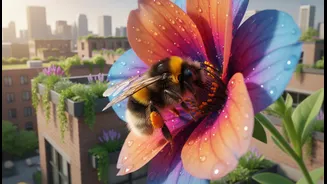
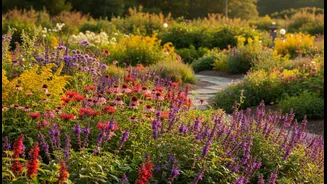
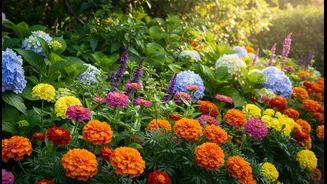
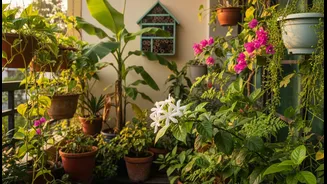
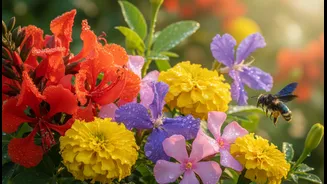
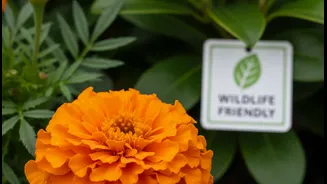
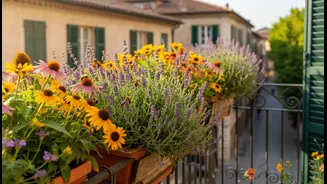
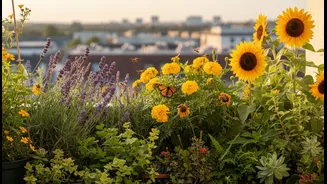
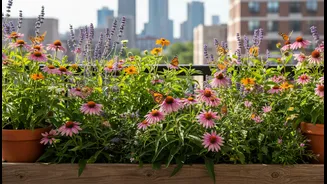
The foundation of any pollinator garden is a variety of flowering plants. Different insects are attracted to different shapes and colours. For a balcony that buzzes with life, aim for a mix of plants that bloom throughout the year. Bright, easy-to-grow flowers are a great start. Marigolds (Genda) are a top choice, loved by bees and butterflies and well-suited to Indian climates. Zinnias and Cosmos are butterfly magnets, while the fragrant flowers of Tulsi (Holy Basil), Lavender, and Mint are irresistible to bees. Climbers like the Butterfly Pea not only add beautiful coverage to railings but are, as the name suggests, a favourite of butterflies. Even flowering vegetables like tomatoes, chillies, and brinjals will attract helpful visitors.
The Unsung Hero: The Hoverfly
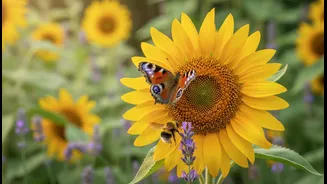
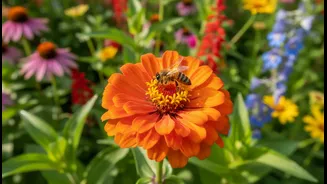
While bees and butterflies often get the spotlight, hoverflies are equally important guests. Often mistaken for small bees or wasps because of their markings, these insects are true flies and are completely harmless to humans. As adults, they are important pollinators, feeding on nectar and pollen from a wide variety of flowers, especially those with flat, open tops like cosmos and marigolds. But their biggest benefit comes from their larvae, which are voracious predators of common garden pests like aphids. Attracting hoverflies means you get a pollinator and a natural pest controller in one, helping to keep your plants healthy without chemicals.
Provide Water and Shelter
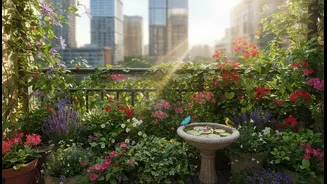
Pollinators need more than just food; they also need water and a safe place to rest. Creating a water station can be a lifesaver, especially during hot summer days. You can make one easily with a shallow dish or a terracotta saucer. The key is to add pebbles, marbles, or small stones to the dish, creating safe landing spots for insects to drink without the risk of drowning. Remember to change the water regularly to keep it clean. You can also offer shelter by creating an 'insect hotel' with hollow bamboo stems or leaving a small pile of twigs in a corner. These simple additions make your balcony a true sanctuary.
Say No to Harmful Chemicals
One of the most critical steps in creating a pollinator-friendly garden is to avoid chemical pesticides and herbicides. These products are often indiscriminate, killing beneficial insects like bees and butterflies along with pests. Even small amounts can harm their ability to navigate and reproduce. Thankfully, there are many effective natural alternatives. A simple spray made from neem oil, water, and a drop of liquid soap can manage many common pests like aphids and whiteflies without harming pollinators. Companion planting is another excellent strategy; planting marigolds can deter certain pests, while herbs like basil and mint can repel others.