
An Anatomy of Comfort
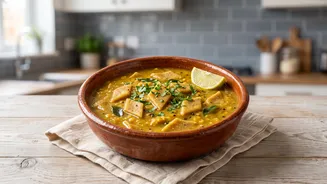
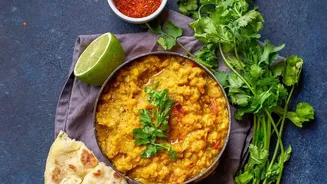
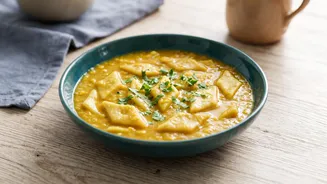
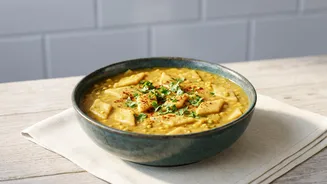
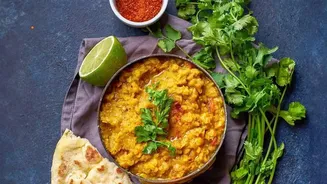
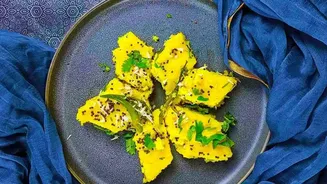
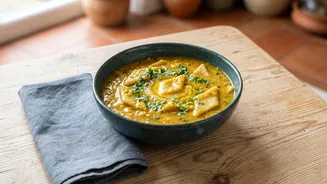
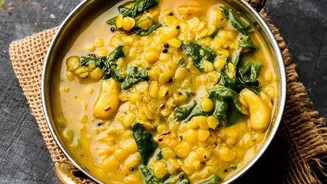
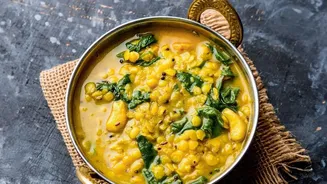
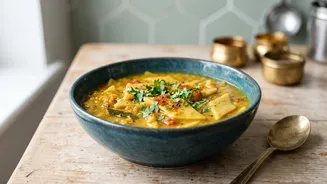
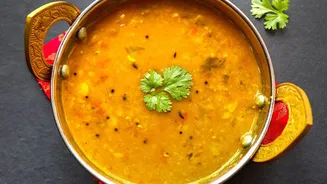
Dal Dhokli is a cornerstone of Gujarati cuisine, a complete meal in a single bowl. The dish consists of two main parts. First is the 'dal', typically made from tuvar (split pigeon peas), which is cooked until creamy and then tempered with a symphony of spices
like mustard seeds, cumin, and asafoetida. It walks a fine line between sweet, sour, and spicy, often balanced with jaggery and kokum or lemon juice. The second component is the 'dhokli'—soft, pasta-like dumplings. These are made from a simple dough of whole wheat flour (atta), sometimes with a bit of gram flour (besan) for softness, seasoned with spices like ajwain (carom seeds) and turmeric. The dough is rolled thin, cut into diamond shapes, and then simmered directly in the boiling dal, where it cooks through and soaks up all the surrounding flavour.
A Dish of Duality
Part of what makes Dal Dhokli's story so compelling is its dual identity. Is it a clever use of leftovers or a deliberately prepared delicacy? In many households, it has traditionally been a frugal masterpiece, a way to transform yesterday's dal and leftover chapati dough into a new, satisfying meal. This speaks to the resourcefulness embedded in Gujarati culinary culture, ensuring nothing goes to waste. However, Dal Dhokli is also prepared with intention as a special Sunday lunch or a comforting meal on a rainy day, served at gatherings and celebrations. This perception is shifting, with many now viewing it not as a way to use up scraps, but as a celebrated dish in its own right, representing hospitality and tradition.
A Tale of Two States
While strongly associated with Gujarat, the story of Dal Dhokli extends into neighbouring Rajasthan. The Gujarati version is famous for its 'khatti meethi' (sweet and sour) flavour profile, achieved with jaggery and a souring agent. The Rajasthani interpretation, on the other hand, tends to be spicier and uses different dal combinations, sometimes featuring round, boiled dumplings instead of flat, diamond-shaped ones. This regional variation highlights the adaptability of the dish. Even within Gujarat, recipes are passed down through generations, with each family adding its own unique touch—some add peanuts for crunch, while others might include vegetables like drumsticks or bottle gourd. These subtle shifts aren't deviations but the natural evolution of a dish that truly belongs to home kitchens.
From Home Kitchen to High Street
For years, Dal Dhokli was considered 'home food'—a dish families loved but rarely sought in restaurants, with businesses assuming nobody would pay for something so easily made at home. That perception is changing dramatically. As lifestyles get busier, the demand for convenient comfort food has surged. Entrepreneurs have recognised that the dish was never rejected by consumers, only overlooked by businesses. Now, dedicated food brands and QSRs are emerging, aiming to standardise the recipe and make this regional comfort food accessible to a wider audience across India. This commercialisation is introducing modern twists, such as healthier dhoklis made with multigrain flours or even vegan-friendly versions that skip ghee. This evolution is transforming Dal Dhokli from a household secret into a celebrated category of Indian cuisine.