




The Call of Assam's Grasslands
A trip to see wildlife in India often brings to mind the dense forests of the central states, but Assam offers a completely different and equally thrilling landscape. The state is defined by the mighty Brahmaputra River, which nourishes a unique ecosystem
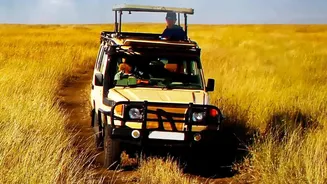
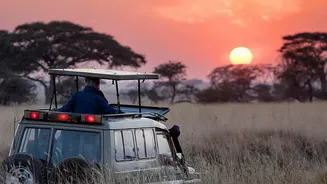
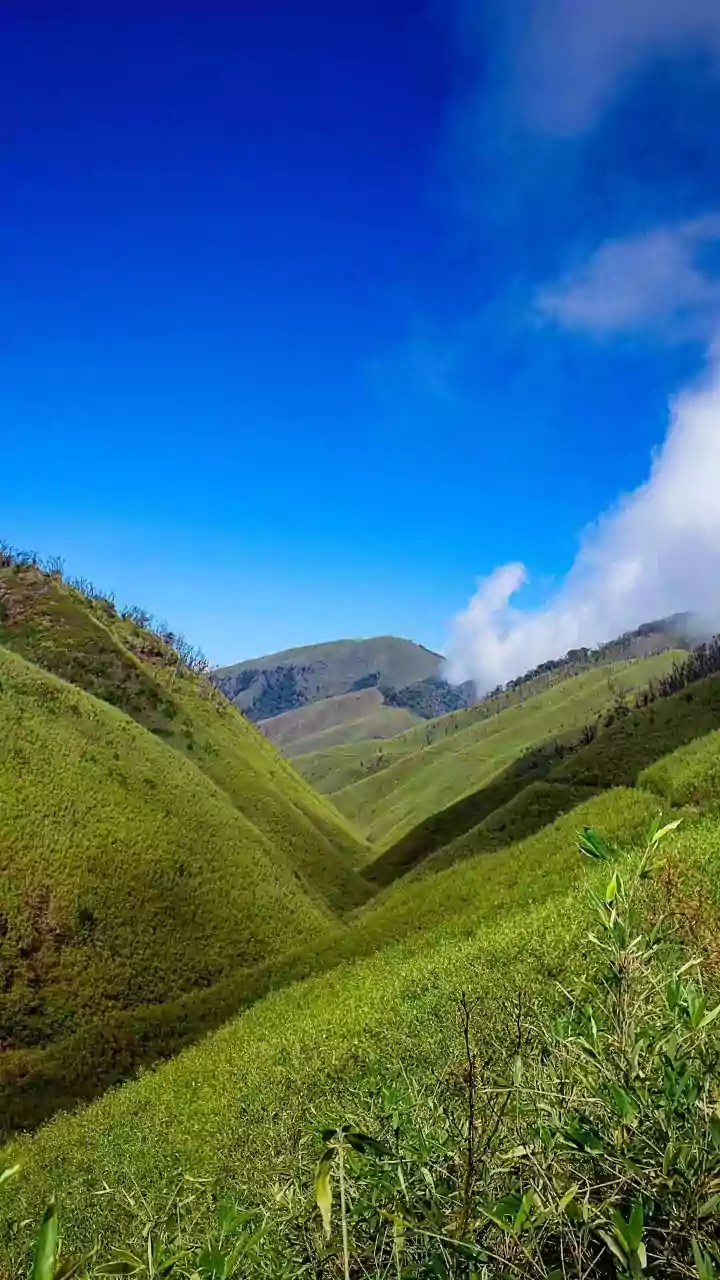
of vast grasslands, wetlands, and pockets of forest. This mosaic of habitats is the perfect setting for a jeep safari. Unlike a forest safari where visibility can be limited, the sprawling grasslands here offer panoramic views, increasing your chances of spotting the region’s iconic wildlife going about their day. An open-top jeep safari is the best way to cover the extensive terrain, providing a safe and comfortable vantage point for photography and observation.
Kaziranga: Kingdom of the One-Horned Rhino
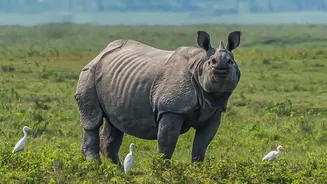
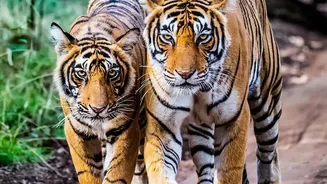
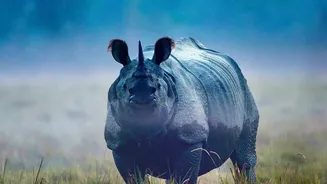
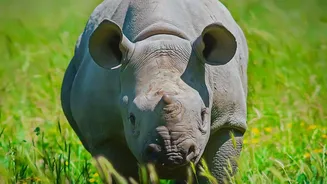
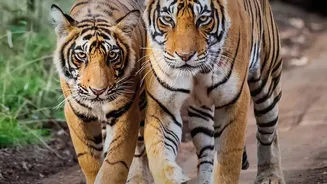
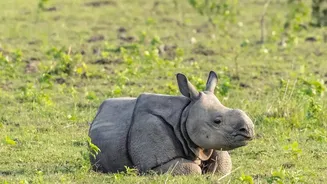
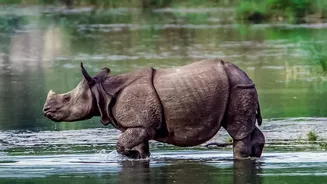
When you think of a safari in Assam, Kaziranga National Park is the first name that comes to mind, and for good reason. This UNESCO World Heritage Site is home to two-thirds of the world's great one-horned rhinoceros population. A jeep safari here feels like stepping into a prehistoric world. The sheer density of rhinos is astounding, and sightings are almost guaranteed. But the park's treasures don't stop there. Kaziranga is also a tiger reserve and home to a significant population of Asiatic elephants, wild water buffalo, and swamp deer. For a comprehensive experience, it's wise to explore more than one of its four distinct safari zones: the popular Central (Kohora) and Western (Bagori) ranges are famous for rhino sightings, while the Eastern (Agaratoli) range is a paradise for birdwatchers and Burapahar offers a hillier, quieter drive.
Manas: A Wilder, Quieter Frontier
For those looking to venture off the beaten path, Manas National Park offers a wilder and more serene safari experience. Also a UNESCO World Heritage Site, Manas is nestled in the foothills of the Himalayas, bordering Bhutan. Its landscape is a stunning mix of grasslands and dense forests, crisscrossed by the crystal-clear Manas River. While rhinos are present, Manas is particularly known for its status as a tiger reserve and its population of rare species like the golden langur and the pygmy hog. A jeep safari here, often from the Bansbari range entrance, takes you deep into the core area towards Mathanguri, offering breathtaking views and a feeling of true wilderness exploration with fewer tourist vehicles compared to Kaziranga.
Other Grassland Gems
While Kaziranga and Manas are the headliners, Assam has other notable parks that promise rewarding safari experiences. Pobitora Wildlife Sanctuary, often called 'Mini Kaziranga', boasts one of the highest densities of one-horned rhinos in a smaller area, making it an excellent option for a shorter trip from Guwahati. Orang National Park, another tiger reserve on the north bank of the Brahmaputra, features a similar landscape of grasslands and wetlands and is rich in both mammal and bird life. Exploring these lesser-known parks can offer a more intimate encounter with Assam's incredible biodiversity.
Planning Your Safari Adventure
To make the most of your trip, timing and preparation are key. The best season to visit is during the dry, cooler months from November to April. The parks are closed during the monsoon season, typically from May or June to October, due to flooding. Booking your safari in advance, especially during the peak season, is highly recommended. You can book online through official government portals or arrange safaris through your hotel or a registered tour operator. When on safari, wear neutral-coloured clothing to blend in with the environment, and don't forget essentials like binoculars for better viewing, a good camera with a zoom lens, sunscreen, and a valid photo ID for park entry.