




A Vision for a Greener Economy
The primary reason behind this massive plantation is to transform Ladakh's rural economy by introducing commercial floriculture as a new, sustainable source of income for farmers. Inaugurated in September 2026 by Lieutenant Governor Vinai Kumar Saxena,
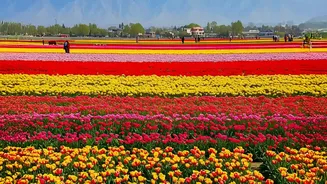
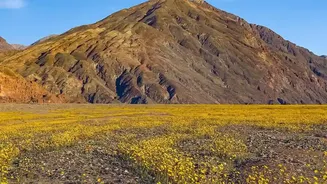
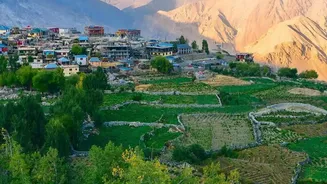
the project covers 40 acres across two sites in the Leh district: Choglamsar and Stakna, both situated at a dizzying altitude of around 10,600 feet. The initiative is designed as a demonstration of how high-value flowers can thrive in Ladakh's challenging climate, providing a lucrative alternative to conventional farming, which is often limited by geography and weather. The vision is not just to grow flowers, but to create a new economic identity for Ladakh as a high-altitude floriculture hub.
The Flowers of Choice: Lilium and Gladiolus
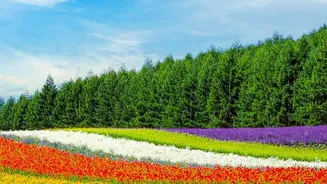
The project isn't just a random assortment of flowers. The administration made a strategic choice, planting approximately 24 lakh Lilium and one lakh Gladiolus plants. These species are not only beautiful but are also high-value ornamental flowers with significant demand in national and international markets. Lilies, for instance, can fetch wholesale prices of around ₹60-70 per stem, making them a highly profitable crop. The successful cultivation of these specific flowers is intended to prove that Ladakh's unique climate, with its long summer days, can be an advantage, potentially producing blooms of superior quality and durability. The Choglamsar site is also being developed as a model centre to train farmers in the scientific cultivation of these varieties, along with others like tulips.
More Than Just Income
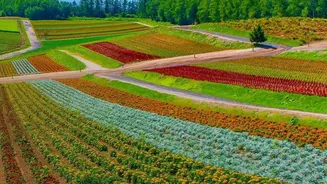
While the economic incentive is powerful, the project's goals are multifaceted. It aims to empower local communities, particularly women, by involving them in cultivation, harvesting, and packaging. The Agriculture Department will manage the initial cultivation cycle before handing over the operations to local self-help groups (SHGs) and cooperatives. This model is intended to foster entrepreneurship and ensure that the economic benefits are rooted within the community. Furthermore, the vibrant flower fields are expected to become a major eco-tourism attraction, adding a new dimension to Ladakh's tourism landscape, which is traditionally known for its monasteries and stark, adventurous terrain. The fields have already started attracting hundreds of daily visitors since opening to the public.
A Model for the Future
This large-scale experiment is seen as a pilot for a much larger green movement in Ladakh. After the initial success, the administration plans to replicate this model across other districts like Kargil, Drass, and Zanskar. The ambitious goal is to bring 200 acres under high-value floriculture within the next year, significantly expanding the green cover and economic opportunities. The first commercial consignment of 15,000 Lilium stems has already been airlifted to major cities like Delhi, Mumbai, and Chandigarh, marking a historic step in connecting Ladakhi farmers to national markets. This initiative represents a profound shift, combining economic growth with environmental sustainability and reshaping the visual and economic future of the region.