






A Summit of Firsts and Returns
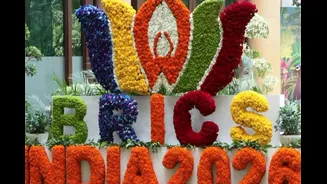
This year's summit, held in New Delhi on September 12-13, marks a significant moment for the BRICS bloc. It's the first major gathering since the group's expansion, which now includes Egypt, Ethiopia, Iran, Saudi Arabia, Indonesia, and the United Arab Emirates
alongside the core five. This larger coalition now represents nearly half the world's population and around 40% of global GDP. The preparations have also been defined by key diplomatic visits. It will be Chinese President Xi Jinping's first trip to India in seven years, signaling a potential reset in bilateral relations. For Russian President Vladimir Putin, it marks his first in-person attendance at a BRICS summit outside of Russia since early 2022, underscoring the importance Moscow places on the bloc amid global tensions.
India's Chairship: A Shift in Focus
India, holding the BRICS chairship for the fourth time, has steered the preparations under the theme "Building for Resilience, Innovation, Cooperation and Sustainability". While previous summits have often focused on broad geopolitical statements, India's approach this year has been to push for more tangible, development-focused outcomes. Officials have emphasized a "humanity first" principle, aiming to move the bloc's agenda back towards its original economic roots rather than getting bogged down by internal political fissures. This represents a subtle but important change from agendas that have been perceived as more overtly political. The goal is to transform BRICS from a forum that speaks for the Global South into a platform that delivers practical benefits for it.
The Economic Agenda Takes Centre Stage
A notable change in the run-up to the summit has been the intensified focus on economic and financial integration. At the BRICS Business Forum, a key precursor to the main event, Indian Commerce Minister Piyush Goyal urged member nations to link their payment systems and conduct more trade in local currencies. This push for de-dollarization and the creation of alternative payment architectures has gained significant momentum. Rather than creating a new reserve currency, the emphasis has shifted to a more practical system of settling bilateral trade in national currencies. This is seen as a way to reduce transaction costs and build economic resilience against global financial volatility and sanctions. India is positioning its own Unified Payments Interface (UPI) as a model for this interconnected system.
From Geopolitical Posturing to Practical Cooperation
While geopolitical discussions are inevitable, the preparations indicate a concerted effort to prioritize actionable cooperation. This includes strengthening the New Development Bank (NDB), which has approved over $42 billion for infrastructure and sustainable development projects across the globe. The agenda for the closed-door sessions includes discussions on "Inclusive Global Governance and Strengthening Multilateralism," but the overarching goal is to prepare the bloc for the next decade by building real-world mechanisms for cooperation in agriculture, technology, and climate finance. The summit is being framed not just as a meeting of leaders, but as the culmination of over 350 preparatory meetings held across India, all aimed at fostering practical collaboration. This marks a change from being a group that defines itself by what it stands against to one that is focused on what it stands for.