

The Ultimate Long-Haul Pantry Problem
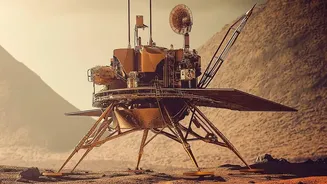
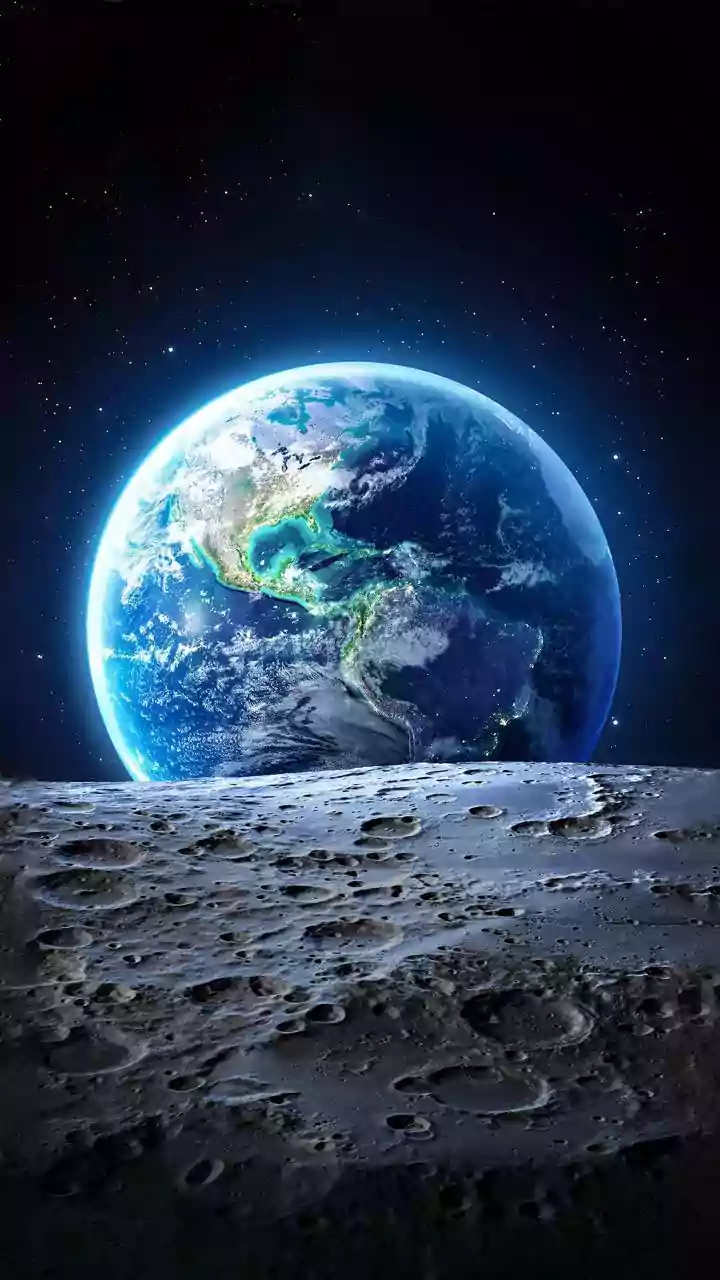
For any long-term mission beyond our planet, packing enough food is simply not feasible. Journeys to Mars could take years, and establishing a permanent base on the Moon requires a sustainable way to live off the land. This is where the concept of bioregenerative
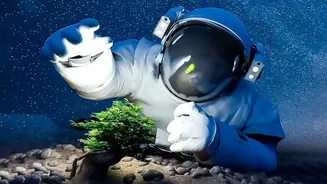
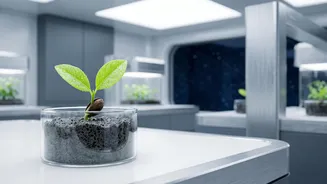
life support comes in—creating a self-sufficient ecosystem where astronauts can grow their own fresh food. This would not only provide vital nutrients that degrade in pre-packaged meals but also offer a psychological boost, bringing a piece of Earth’s greenery to the sterile environment of a spacecraft or lunar habitat. But before we can have Martian greenhouses, scientists must answer a fundamental question: can plants even survive the journey?
A Trial by Cosmic Fire and Vacuum
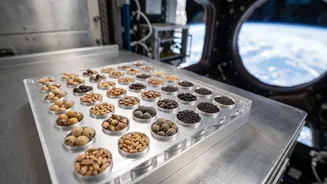
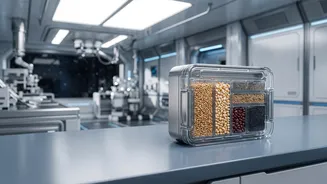
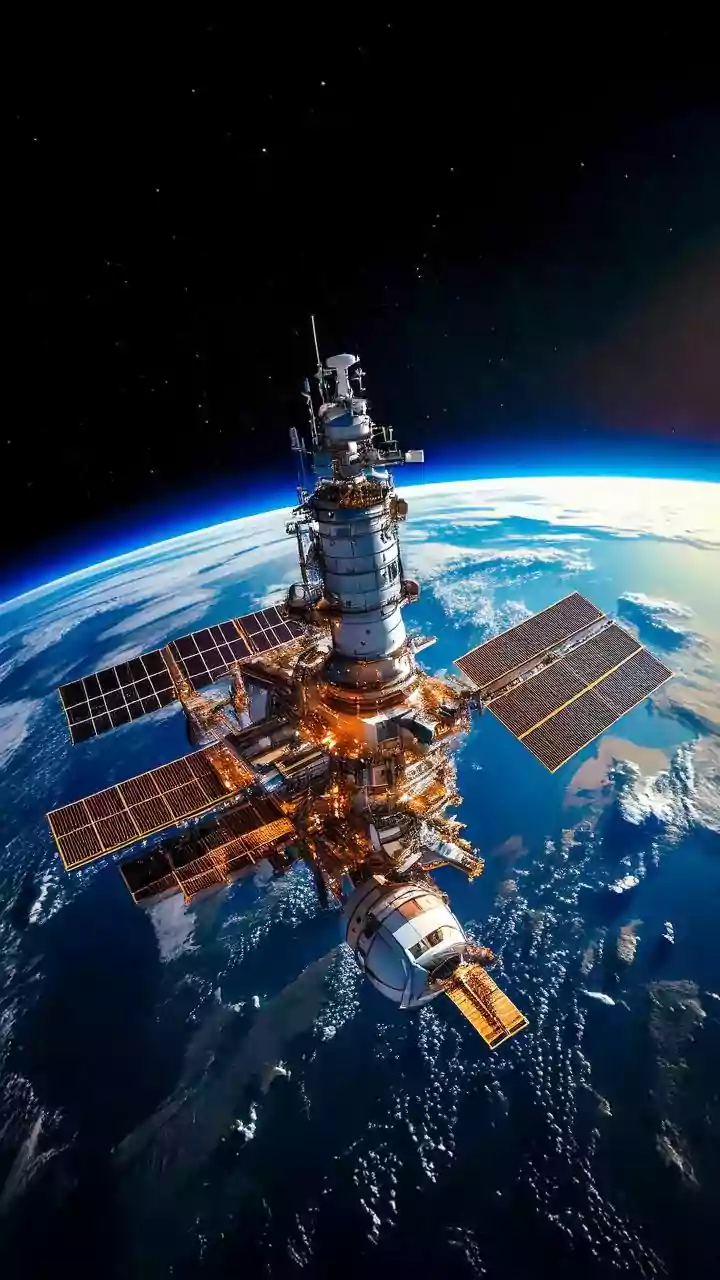
Space is an incredibly hostile environment for life. Seeds traveling outside the protective bubble of Earth’s atmosphere and magnetic field are bombarded with intense cosmic radiation, which can shred DNA and compromise their ability to grow. They also face the vacuum of space, extreme temperature swings, and the disorienting effects of microgravity. To understand these impacts, space agencies have been sending seeds into orbit for decades. One of the most famous early experiments was NASA’s Long Duration Exposure Facility (LDEF), which carried 12.5 million tomato seeds that ended up spending nearly six years in orbit from 1984 to 1990. More recently, projects like NASA's MISSE-Seed have exposed seeds from various crops, including lettuce and barley, to the harsh environment outside the International Space Station (ISS) for months at a time. China, too, has been conducting advanced experiments aboard its Tiangong space station, achieving the world's first seed-to-seed cultivation of rice in orbit.
From Space to Soil: The Surprising Results
When the LDEF tomato seeds returned to Earth, the results were astonishing. Distributed to millions of students, the seeds germinated at nearly the same rate as the control group that stayed on Earth. This proved that seeds could indeed survive long-duration spaceflight. However, the picture is complex. While some experiments show remarkable resilience, others reveal the toll of space exposure. For instance, rocket seeds stored on the ISS showed slightly delayed germination. In another study, rice and barley seeds exposed to the vacuum and radiation outside the station had significantly reduced germination rates—the longer the exposure, the lower the rate. Yet, for the seeds that do sprout, the resulting plants are often healthy, suggesting that the damage is not always catastrophic. The findings highlight that different species react differently, a crucial piece of information for selecting the right candidates for space agriculture.
Decoding the Blueprint for a Martian Garden
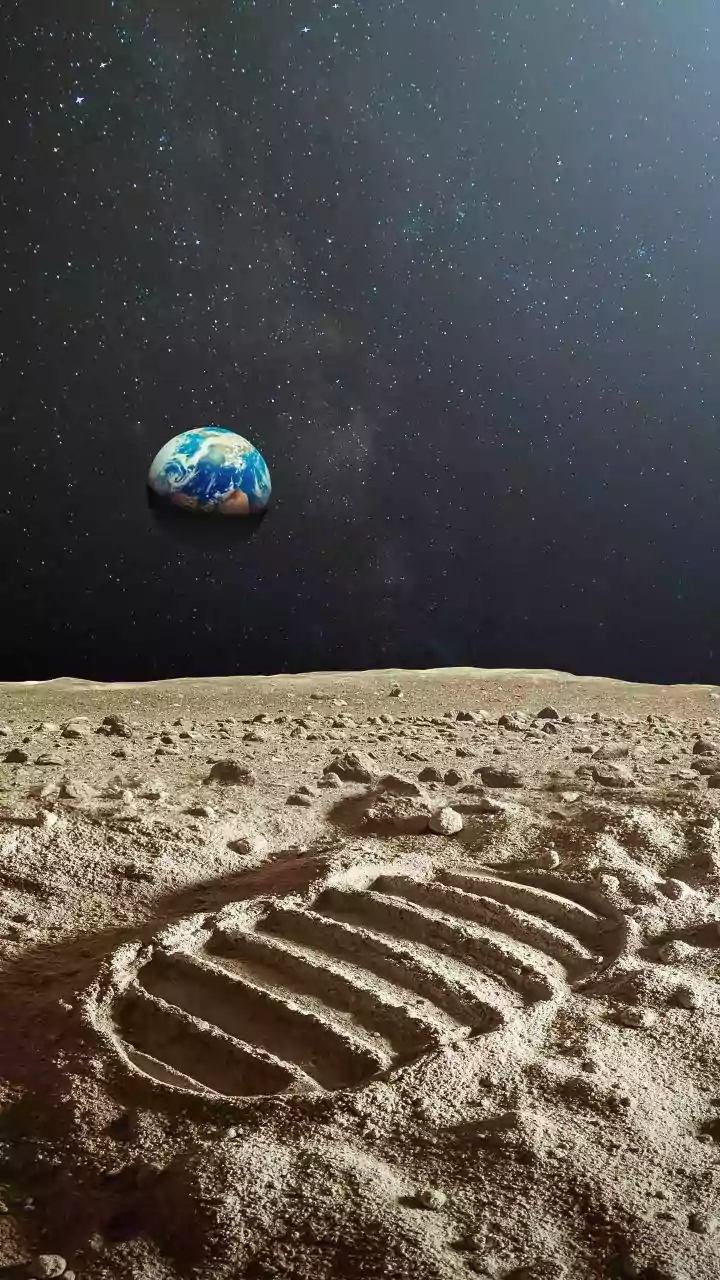
The goal of these experiments isn't just to see if seeds sprout, but to understand how they survive. By analyzing the seeds' genetics upon their return, scientists can identify the molecular changes caused by spaceflight. They are discovering the DNA repair mechanisms that plants use to cope with radiation damage and the genetic pathways that are triggered by the stress of space. This research provides a blueprint for creating more robust space crops. Scientists can use this knowledge to either select naturally hardy plant varieties or even genetically engineer plants to be better equipped for the challenges of growing in reduced gravity and high-radiation environments. Future experiments, like NASA's planned LEAF project which will attempt to grow plants directly on the lunar surface during an Artemis mission, will provide even more valuable data by testing growth in authentic lunar gravity and radiation conditions.