








The Golden Number for Muscle Growth
Forget vague advice. The scientific community has a clear, evidence-based recommendation for active individuals looking to maximise muscle growth. Research consistently points to a daily protein intake of 1.6 to 2.2 grams of protein per kilogram of body
weight. For a 70 kg person, this translates to a target of 112 to 154 grams of protein per day. This range is significantly higher than the recommendation for sedentary individuals (around 0.8g/kg) because resistance training increases your body's demand for amino acids to repair and build new muscle tissue. Hitting this target is the single most important nutritional factor for supporting muscle gains.
Is It the Same for Everyone?
While the 1.6-2.2g/kg range is a fantastic starting point, your ideal number can shift based on a few factors. Those in a significant calorie deficit (trying to lose fat while preserving muscle) may benefit from aiming for the higher end of that range, potentially even up to 2.7g/kg, to prevent muscle breakdown. Similarly, very intense training schedules might warrant a higher intake. Conversely, older adults aiming to build muscle should also focus on a higher intake, around 1.2 to 1.6 g/kg, combined with resistance training to combat age-related muscle loss. Your training experience also plays a role; a complete beginner might see results with a slightly lower intake, but aiming for the optimal range ensures you're providing all the necessary building blocks from day one.
The Truth About Protein Timing
For years, fitness culture has been obsessed with the 'anabolic window'—a supposedly magical 30-minute period after a workout where you must consume protein or risk wasting your efforts. Modern research has shown this window is much wider than we thought, lasting several hours or more. The most critical factor is your total daily protein intake. That being said, it is beneficial to spread your protein consumption across 3 to 5 meals throughout the day. This provides your muscles with a more consistent supply of amino acids for synthesis. Trying to consume all your protein in one massive meal is less effective, as your body has a limit on how much it can use for muscle-building in a single sitting, typically around 25-40 grams per meal. So, while you don’t need to sprint for a shake the second you finish your last rep, having a protein-rich meal within a couple of hours of training is a smart strategy.
Protein Sources for the Indian Diet
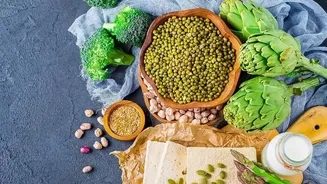
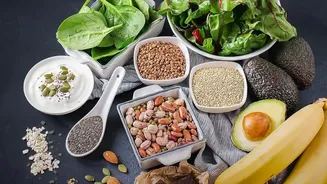
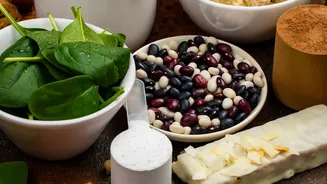
Meeting your protein goals is entirely achievable with a typical Indian diet, including a vegetarian one. The key is to be strategic. Excellent sources include dairy like paneer (about 18g of protein per 100g) and Greek yogurt (hung curd), which has significantly more protein than regular dahi. Legumes are powerhouses; lentils (dal), chickpeas (chana), and kidney beans (rajma) are fundamental. Combining legumes with grains like rice or roti creates a complete protein profile, providing all essential amino acids. Soya chunks are one of the most protein-dense vegetarian options available, offering over 50g of protein per 100g (dry). For non-vegetarians, eggs, chicken, and fish remain excellent choices. If you struggle to meet your daily target through whole foods alone, a quality whey or plant-based protein powder can be a convenient supplement.
Can You Have Too Much Protein?
While hitting your target is crucial, more is not necessarily better. For most active people, intakes up to 2.2g/kg are considered safe and effective for muscle gain. Going far beyond this doesn't appear to provide additional muscle-building benefits. The body cannot store excess protein, so it is either converted to energy or stored as fat, and consuming excessive amounts can place stress on your kidneys over the long term. Consistently overeating protein, especially from sources high in saturated fat, can also contribute to unwanted weight gain. The focus should be on consistently hitting your optimal range, not dramatically exceeding it.