



Why Fresh Is Best
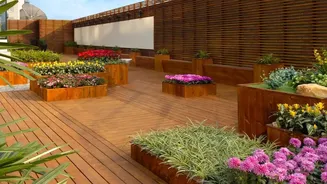
In the tight spaces of urban India, the balcony garden has become more than just a decorative choice; it's a practical extension of the kitchen. Growing your own curry leaves and mint isn't just a hobby but a direct line to freshness, flavour, and wellness.
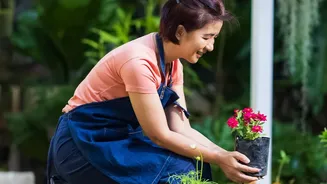
For many, it's about reclaiming a connection to their food. Having a pot of mint or a curry leaf shrub means no more wilted, store-bought herbs. It ensures a pesticide-free supply for daily cooking, from tempering dals to brewing a refreshing cup of mint tea. Beyond the culinary benefits, this trend taps into a desire for green spaces in concrete environments. A few pots on a windowsill or balcony can help cool the immediate area, improve air quality, and provide a daily dose of nature. It’s a simple, rewarding practice that offers convenience and a sense of accomplishment with every leaf plucked.
Your Guide to Growing Curry Leaves
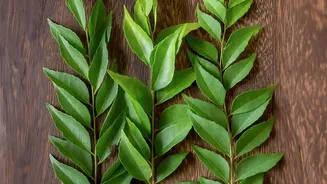
The curry leaf plant ('kadi patta') is a slow-growing woody shrub that, with a little patience, becomes a long-term companion in your garden. To start, choose a pot that is at least 10-12 inches deep to accommodate its root system. Good drainage is crucial, so ensure the pot has holes at the bottom. A soil mix of regular potting soil, compost, and a bit of sand works well. Curry leaf plants love sunlight, needing at least five to six hours a day to thrive, making a south or west-facing balcony ideal. Water the plant regularly, but let the top inch or two of soil dry out between waterings to prevent root rot, a common issue. Don't be discouraged if a new plant drops its leaves after you bring it home; it's acclimatising. Prune the tips only after the plant is well-established to encourage bushier growth. With consistent care, your plant will provide aromatic leaves for years.
Mastering Mint in a Container
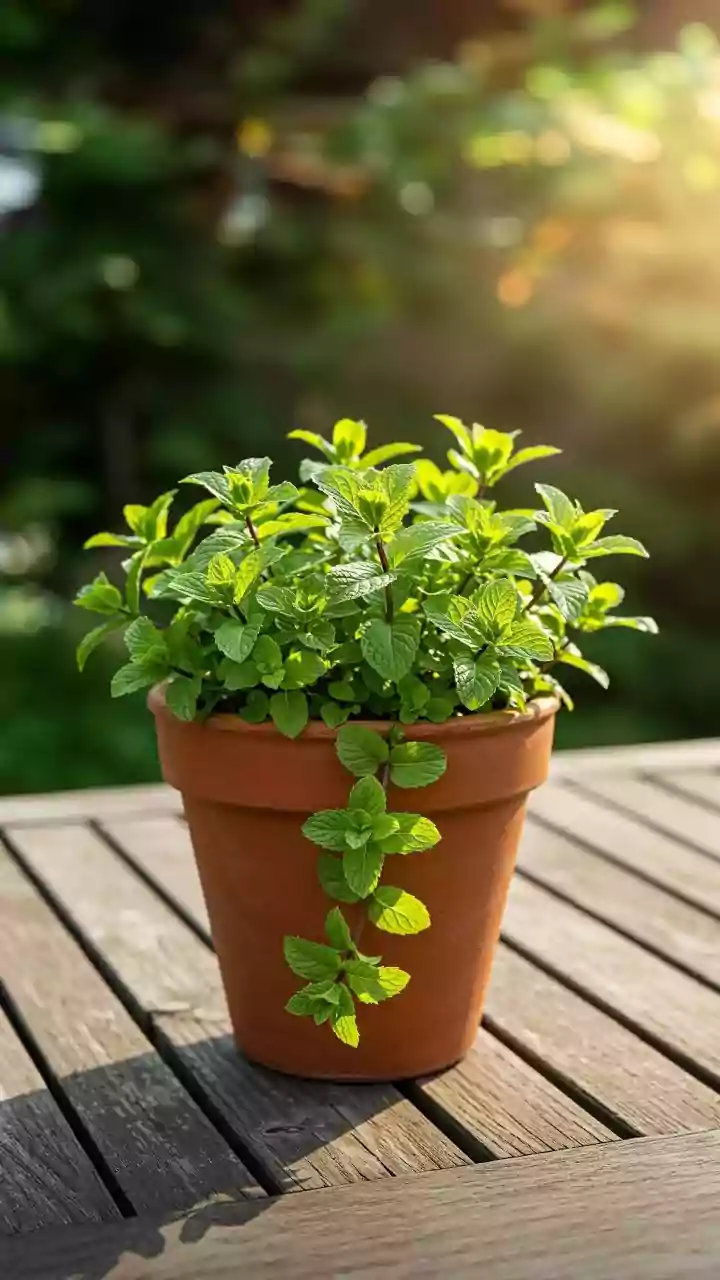
Mint ('pudina') is one of the easiest and most rewarding herbs for beginners. It grows vigorously, which is both a pro and a con. Its tendency to spread aggressively via runners makes it essential to grow it in a dedicated container. A pot that is at least 8-10 inches wide will give it space to expand. Mint is not fussy about soil but prefers a light, well-draining mix that stays consistently moist. It thrives in spots that get a few hours of morning sun with some afternoon shade, which helps prevent the leaves from burning in harsh summer heat. One of the keys to a happy mint plant is regular harvesting. Pinching off the top leaves frequently encourages the plant to grow bushier and fuller, giving you a continuous supply. You can easily propagate mint by placing a few cuttings in a glass of water; they will develop roots within a week or two, ready to be planted.
Essential Care for a Thriving Balcony Garden
Whether you are growing curry leaves, mint, or other herbs, a few universal principles apply to apartment gardening. Since you're growing edible plants, opt for organic fertilisers like vermicompost or compost tea every four to six weeks during the growing season instead of chemical alternatives. Monitor your plants for common pests like aphids. A simple spray of neem oil solution is an effective, natural way to keep them at bay. Grouping pots together can help create a more humid microenvironment, which many plants appreciate, especially in dry weather. Also, pay attention to your specific microclimate. A balcony's sun exposure, wind, and reflected heat from walls can significantly affect your plants. Don't be afraid to move your pots around to find the perfect spot as the seasons change.