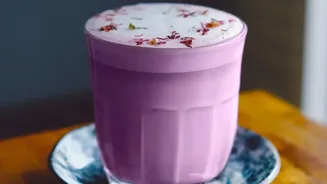



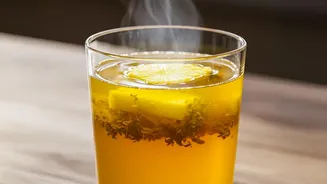

From Skincare To Coffee Cup
First, let's talk about collagen. It is the most abundant protein in the human body, acting as the primary building block for your skin, hair, bones, and connective tissues. As we age, our natural production of collagen declines, leading to common signs
of ageing like wrinkles and joint stiffness. This has spurred a massive market for ingestible collagen supplements, most often in the form of a flavourless powder. The logic is simple: if you can replenish your body's collagen supply, you might be able to support skin elasticity and hydration. Adding a scoop to a morning latte or smoothie has become an easy way for people to incorporate it into their existing daily rituals, merging a caffeine fix with a beauty routine.
Decoding 'Functional Elixirs'
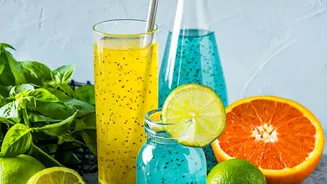
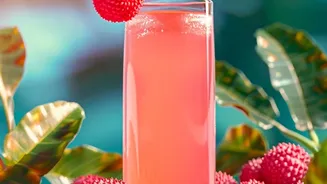
The term 'functional elixir' sounds mystical, but it simply refers to a non-alcoholic beverage designed to provide a specific health benefit beyond basic nutrition. This is a defining trend in India's beverage market, which is seeing significant growth in this sector. These drinks are formulated with 'active' ingredients intended to do everything from reducing stress to boosting focus. You'll often find ingredients rooted in Ayurvedic tradition, such as ashwagandha, tulsi, and turmeric, now appearing in convenient, ready-to-drink formats. Other popular additions include nootropics, or 'cognitive enhancers', like L-theanine (an amino acid found in green tea) and adaptogenic mushrooms like Lion's Mane, which are purported to support mental clarity and help the body manage stress.
But Does It Actually Work?
This is the million-rupee question. For collagen, the scientific community offers a cautiously optimistic view. Several studies have shown that taking hydrolyzed collagen supplements can improve skin hydration, elasticity, and reduce the appearance of wrinkles. However, it's important to note that our bodies break down collagen into amino acids, and there's no guarantee those building blocks will be reassembled and sent directly to your skin. For functional ingredients like L-theanine and ashwagandha, there is growing evidence of their benefits. Research has shown L-theanine can promote a state of calm focus without drowsiness, while ashwagandha has been found to help lower cortisol, the stress hormone. Still, the doses in commercial drinks may be lower than those used in clinical studies, meaning the effects could be subtle.
The Power of Intentional Ritual
Beyond the biochemistry, the popularity of these drinks taps into a powerful psychological need: the desire for self-care rituals. The simple act of preparing a special, aesthetically pleasing beverage can be a moment of mindfulness in a hectic day. It transforms a simple drink into an act of wellness, a small signal to yourself that you are prioritising your health. This trend reflects a broader shift towards mindful consumption, where consumers are increasingly seeking products that align with their lifestyle and wellness goals. For many, the experience and the intention behind the drink are just as valuable as the purported functional benefits of the ingredients themselves.
How to Be an Informed Consumer
Navigating this booming market can be tricky. If you're curious to try these beverages, it's wise to be an informed consumer. Start by reading the labels. Many aesthetically pleasing drinks can be loaded with sugar, which can counteract any potential wellness benefits. Look for brands that are transparent about their ingredient sourcing and dosage. For collagen, seek out hydrolyzed peptides, as they are broken down for easier absorption. For functional elixirs, be realistic about the outcomes. These drinks are meant to be supplements to a healthy lifestyle, not a magic cure. Their rise shows that consumers in India are evolving, no longer just seeking refreshment but also purpose in what they consume.