


A New Understanding of Himalayan Risk
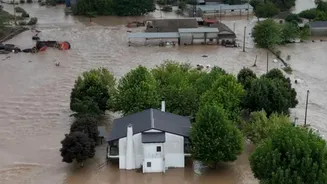
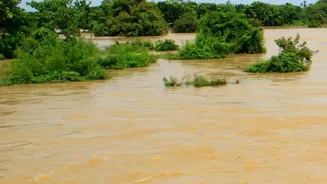
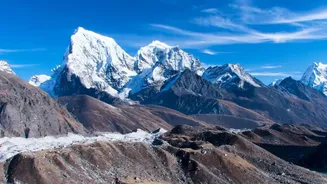
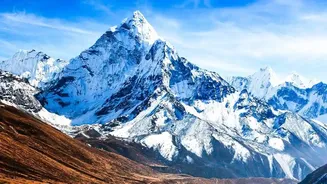
A recent, rapid-fire scientific analysis has directly linked human-caused global warming to the conditions that preceded a devastating flood in Nepal on August 26, 2026. Researchers from the World Weather Attribution initiative found that long-term warming in the Himalayas
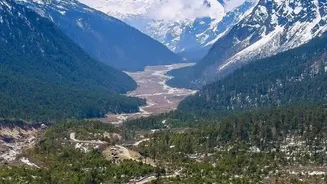
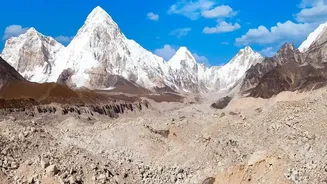
likely played a crucial role in destabilising the massive rock and ice slope that collapsed, triggering a catastrophic event. This was not a typical monsoon flood but what scientists are calling a 'cascading disaster'. A huge section of rock and glacier ice, measuring around two square kilometres, broke free from the Langtang Lirung mountain and plunged into the valley below. The collapse generated a high-speed torrent of water, ice, rock, and sediment that travelled over 20 kilometres in mere minutes, leaving downstream communities with virtually no time to react.
The Science of a Thawing Giant
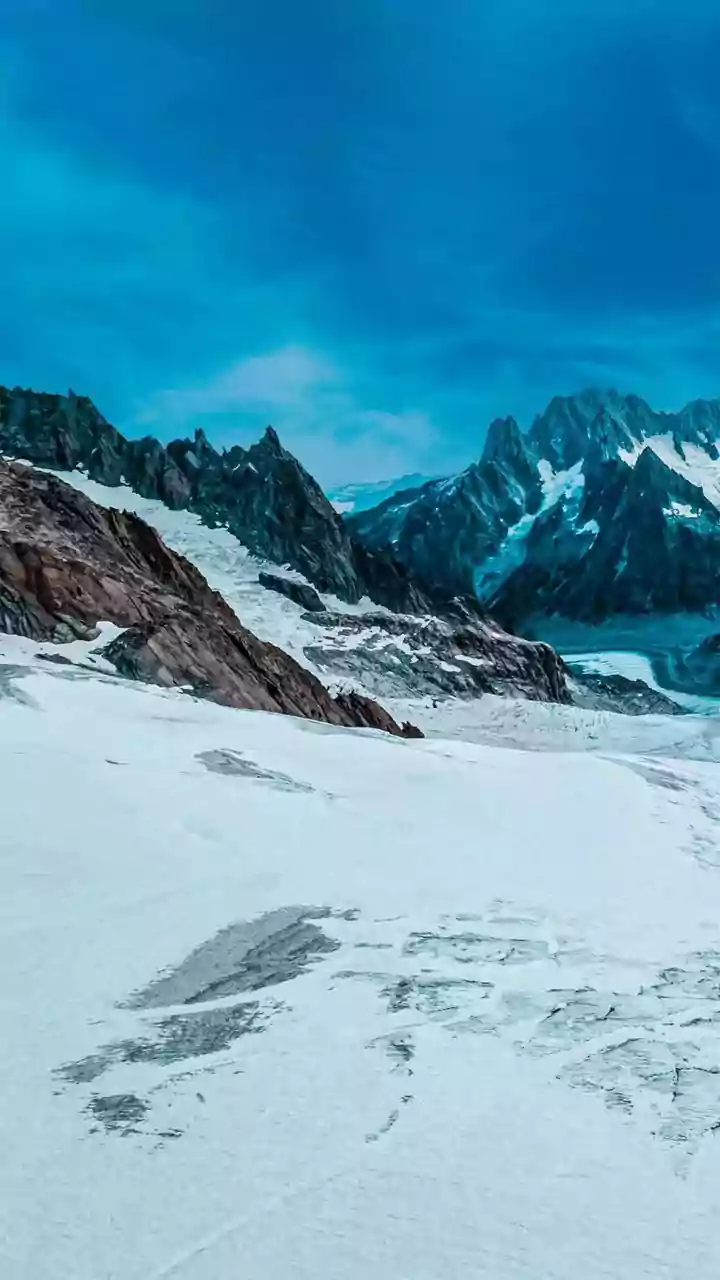
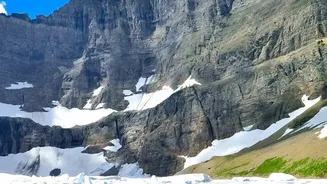
The study explains how decades of rising temperatures set the stage for such a collapse. Global warming is causing glaciers to thin and retreat, and perhaps more importantly, it is thawing permafrost—the permanently frozen ground that acts like cement, holding steep mountain slopes together. As this frozen layer weakens, the structural integrity of the mountain is compromised. The study noted that the freezing level in the Himalayas has been rising by about 100 metres per decade since the 1980s, exposing more ground to prolonged thawing. The two months leading up to the August disaster, July and August 2026, were the warmest ever recorded in the area. This extreme heat, which scientists estimate was made 1.5°C warmer by climate change, added immediate stress to an already weakened slope.
A Shared Vulnerability for India
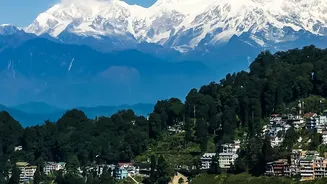
While this specific disaster unfolded in Nepal, the findings are a stark warning for the entire Himalayan region, including India. The same processes of glacial retreat and permafrost thaw are occurring across the Indian Himalayas in states like Uttarakhand, Himachal Pradesh, Arunachal Pradesh, and Sikkim. Reports indicate that hundreds of glacial lakes in the Indian Himalayas are considered high-risk for outburst floods, with dozens classified as 'very high risk'. These lakes, often dammed by unstable moraine (loose rock and sediment), can burst without warning, especially when destabilised by events like an avalanche or landslide—the very events made more likely by warming. The disaster in Nepal is a clear illustration of how a crisis that begins high in the mountains can have devastating consequences for communities living far downstream.
Beyond Early Warning Systems
The speed and scale of the Nepal flood highlight the limitations of current adaptation strategies. Experts noted that even the best early warning systems for conventional floods would have been insufficient to prevent the scale of destruction seen in the worst-hit areas. This points to a new reality where climate change is creating hazards that are more complex and extreme than those of the past. According to researchers, preparedness in the Himalayas can no longer just focus on forecasting rainfall. It requires an integrated approach that monitors glaciers, permafrost, slope stability, and weather conditions simultaneously. The event strengthens the case for countries like Nepal to seek international support from climate 'Loss and Damage' funds, arguing that they are paying a heavy price for a crisis they did little to create.