






The Boom by the Numbers
The headline figure of $1.38 billion, while impressive, is part of a much larger and rapidly growing story. Recent reports from the first seven months of 2026 paint a vivid picture of this economic surge. Tourism revenue was estimated at over VND 36.4
trillion, which converts to approximately $1.38 billion. This remarkable figure was driven by more than 6.8 million visitors arriving on the island between January and July. The most significant driver of this growth is the influx of international tourists. The island welcomed over 1.5 million foreign visitors in that same period, a staggering increase of more than 53% compared to the previous year. This performance is particularly noteworthy when compared to other established luxury destinations like the Maldives, which has seen a slight decline in visitor numbers. Phu Quoc's growth shows no signs of slowing, with the island already achieving nearly 70% of its entire year's tourism target in just seven months.
The Policy That Opened the Floodgates
A key catalyst for this international boom is Phu Quoc's unique visa-exemption policy. Since mid-2020, Vietnam has allowed foreigners of all nationalities to enter Phu Quoc and stay for up to 30 days without a visa. This policy applies as long as tourists fly directly to the island or transit through another Vietnamese airport without leaving the secure transit area. This frictionless entry process makes the island an incredibly attractive and accessible option for international travelers, removing the administrative hurdles and costs associated with obtaining a visa. It positions Phu Quoc as a uniquely welcoming gateway to Vietnam, especially for spontaneous trips or for tourists exploring multiple countries in the region. The strategy is clearly paying off, diversifying the island's visitor base far beyond its traditional domestic market to include travelers from South Korea, India, Taiwan, and beyond.
Building a World-Class Paradise
Welcoming millions of visitors requires more than just beautiful beaches. Phu Quoc is in the midst of an unprecedented infrastructure and development boom, largely in preparation for hosting the APEC Summit in 2027. The island's international airport is undergoing a massive expansion, in partnership with Singapore's acclaimed Changi Airports International, to eventually handle up to 50 million passengers annually. On the ground, a new 10-lane highway and a light-rail transit system are under construction to ensure seamless connectivity. This is complemented by a wave of luxury development. Global hospitality giants like Marriott, Hilton, and Hyatt are opening sprawling resorts, part of a new "Hotel City" that will add thousands of five-star rooms. These investments are creating not just accommodation but entire entertainment ecosystems, with casinos, theme parks, and attractions like the nightly "Kiss of the Sea" show, designed to offer visitors a complete, high-end holiday experience.
Beyond Sun, Sand, and Sea
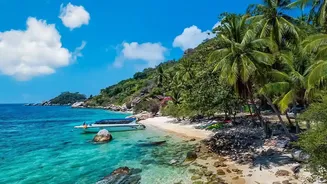
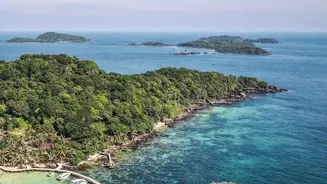
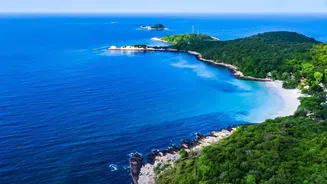
While Phu Quoc's pristine beaches, such as the renowned Kem Beach, remain a primary draw, the island is successfully marketing itself as a multifaceted destination. It has gained international recognition, with Condé Nast Traveler ranking it as one of the world's most beautiful islands. This acclaim, combined with a reputation as a safe and friendly destination, has boosted its global credibility. The island offers a diverse mix of experiences, from the natural beauty of its national parks to the vibrant local culture and cuisine. Major investors like Sun Group and Vinpearl have poured billions into creating distinctive tourism offerings, including entertainment complexes and convention centers aimed at capturing the lucrative MICE (Meetings, Incentives, Conferences, and Exhibitions) market. This strategic push ensures the island appeals to a wide range of travelers, from families on holiday to business delegations attending international summits.