

The First Catastrophe: An Avalanche of Ice and Rock
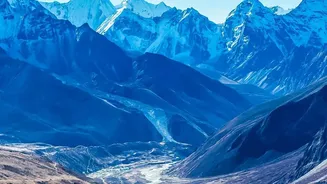
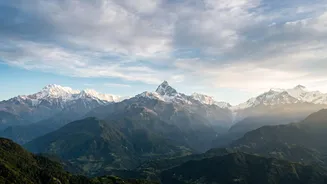
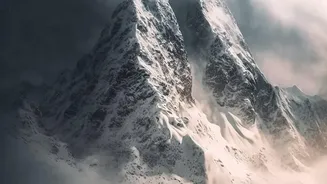
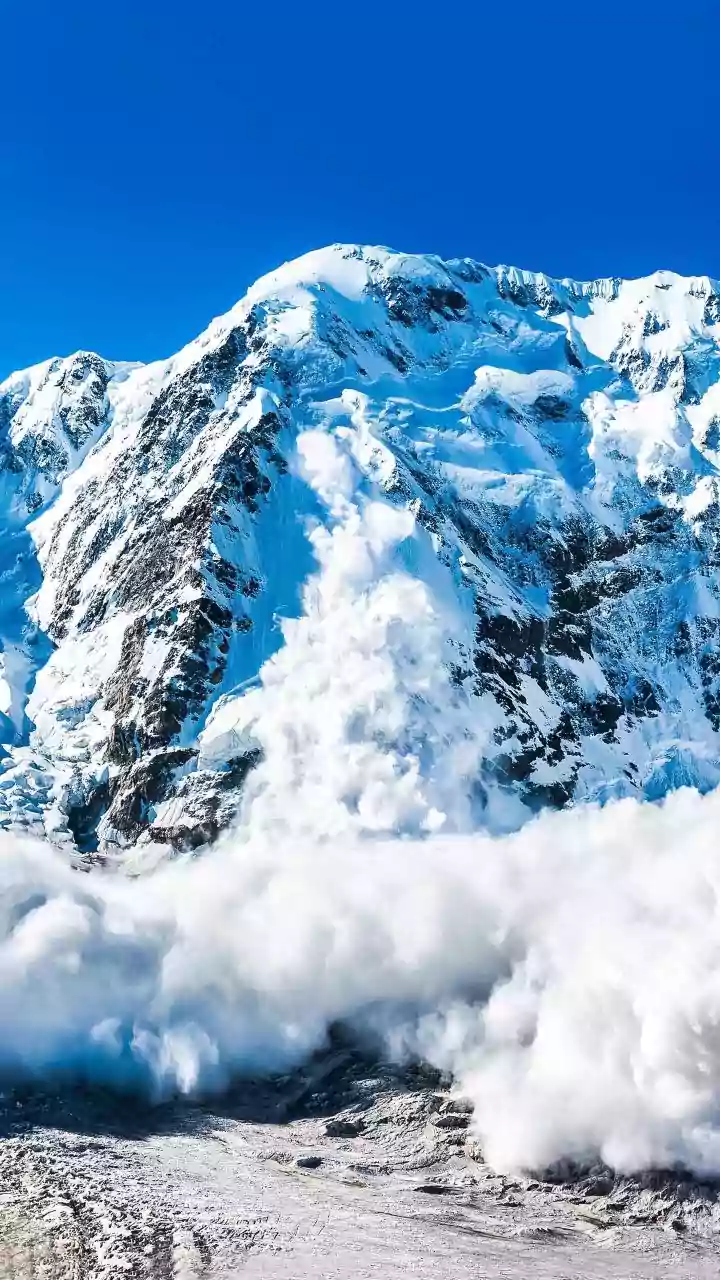
The chain of events began on the morning of August 26, 2026, high on a mountain near the Nepal-China border. A massive section of a glacier, along with the bedrock beneath it, broke away from a peak in the Langtang region. The collapse was so immense
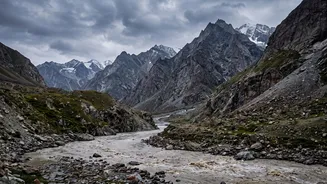
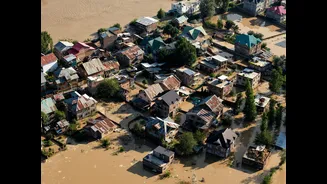
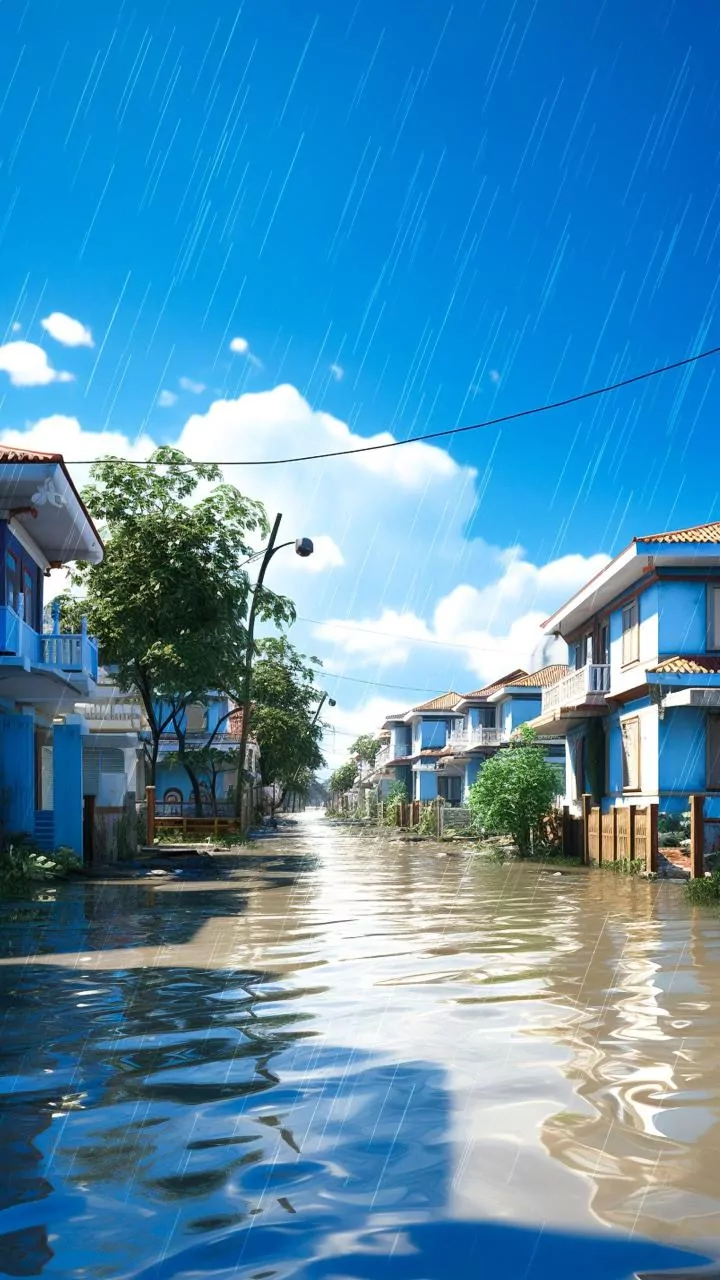
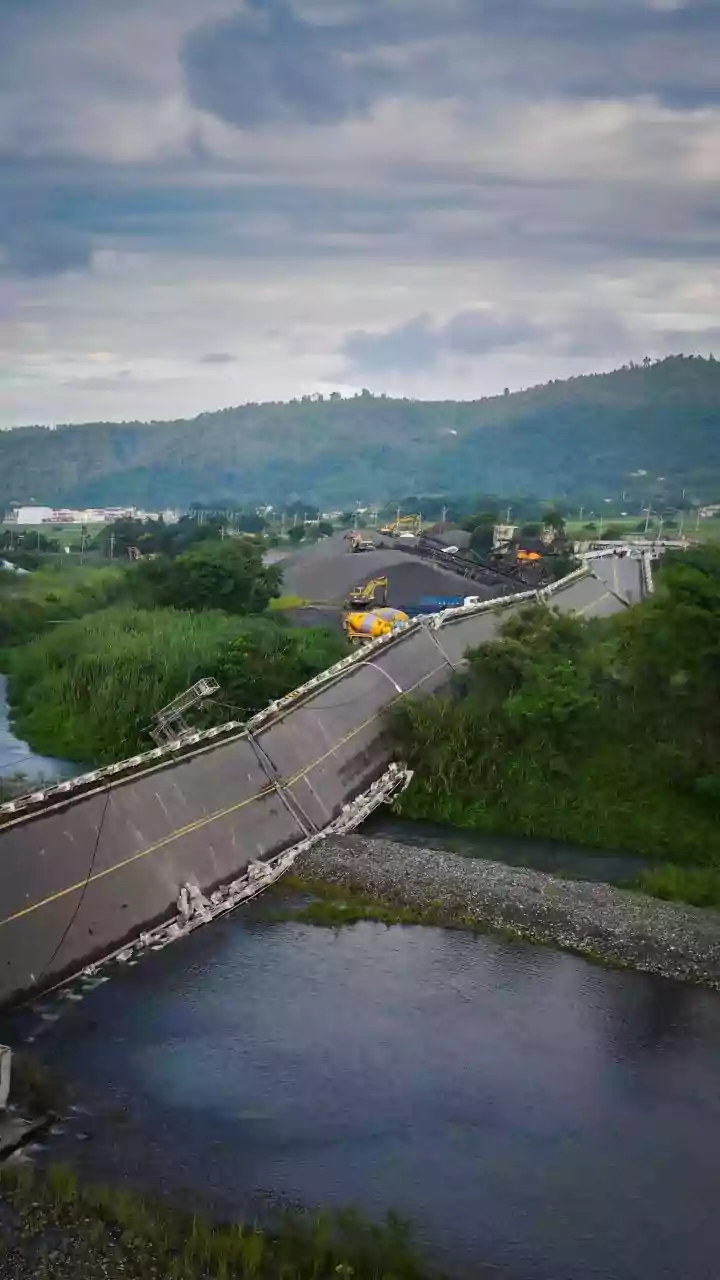
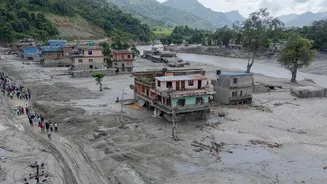
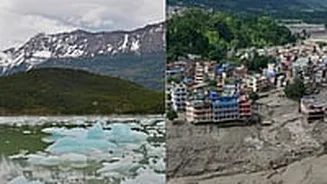
that seismic stations registered it as an earthquake with a magnitude of 5.2. This gigantic mass of ice and rock plunged thousands of metres into the valley below, instantly transforming into a fast-moving, destructive slurry. This initial debris flow surged down the Lhende Khola and into the Bhote Koshi/Trishuli river system, travelling at incredible speed. At one monitoring station roughly 50 kilometres downstream, the river level reportedly rose by nine metres in just 30 minutes, overwhelming everything in its path and giving communities no time to react. The torrent destroyed homes, bridges, hydropower projects, and a vital highway connecting Nepal and China, leaving a trail of devastation across the Rasuwa, Nuwakot, and Dhading districts.
How One Disaster Spawned Another
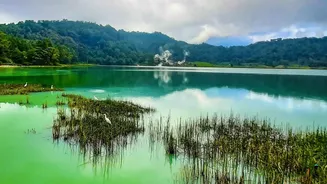
The very force that caused the initial flood also set the stage for the next crisis. As the avalanche of ice, rock, and sediment roared down the narrow valley, it carried an immense volume of debris. This material eventually settled in a section of the river channel, creating a huge, natural dam. Scientists refer to this as a landslide-dammed lake or a barrier lake. Unlike an engineered dam, this blockage is a haphazard pile of loose rock and sediment, making it inherently unstable. With the river's natural flow blocked, water began to accumulate rapidly behind this makeshift barrier. Chinese authorities reported that the newly formed lake near the confluence of the Chhuchen Khola and Purépu Tsangpo rivers had quickly gathered millions of cubic metres of water, raising alarms about its potential to breach.
The New Threat: A Lake Ready to Burst
The immediate concern for authorities and downstream communities became the stability of this new lake. The immense pressure of the rising water threatened to cause the debris dam to fail suddenly and catastrophically. A breach would unleash a second, potentially even more destructive, flash flood on communities already reeling from the first disaster. The threat was so severe that on August 28, rescue operations were temporarily halted after the lake began to overflow, triggering fresh flood alerts. Residents in the affected districts received near-constant alarms on their phones, warning of rising water levels in the Bhotekoshi River and forcing them to scramble to higher ground, day and night. This state of high alert creates immense psychological stress for survivors, many of whom are living in temporary shelters after their homes were destroyed.
A Familiar Danger in a Warming Himalaya
This cascading disaster—where an avalanche creates a dam, which in turn creates a new flood risk—is a frighteningly familiar pattern in the Himalayas. Scientists have warned that as global temperatures rise, such events are likely to become more frequent. Himalayan glaciers are melting 65% faster than they were a decade ago, which not only swells glacial lakes but also destabilises the surrounding rock faces. As permafrost, the frozen 'glue' that holds mountain slopes together, begins to thaw, the risk of massive rock and ice avalanches increases. These events are exceptionally difficult to predict. While early warning systems exist for some types of floods, the sudden and violent nature of a glacier collapse can destroy monitoring stations before they can even send an alert, as happened in this case.