


A Messenger from Ancient Mars
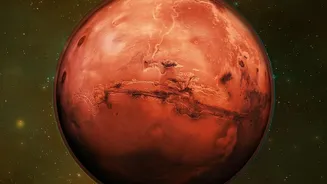
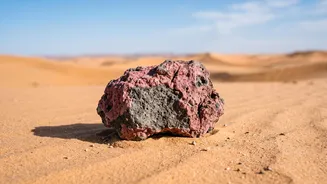
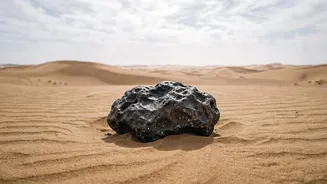
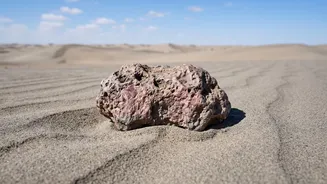
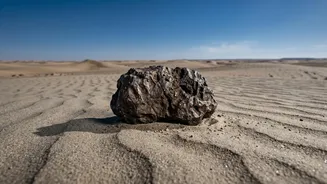
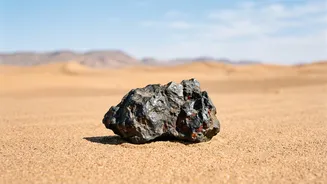
Not all meteorites are created equal. While most are fragments from asteroids, a rare few are pieces of other planets, blasted into space by colossal impacts. Among the most prized are those from Mars. Recently, a meteorite named Teghaza 001, discovered
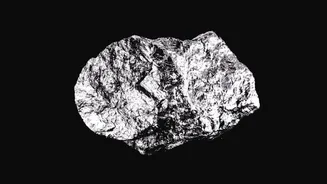
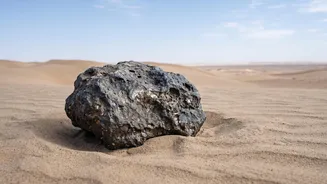
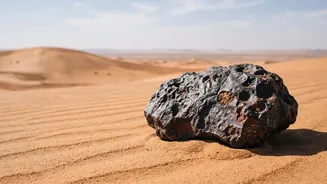
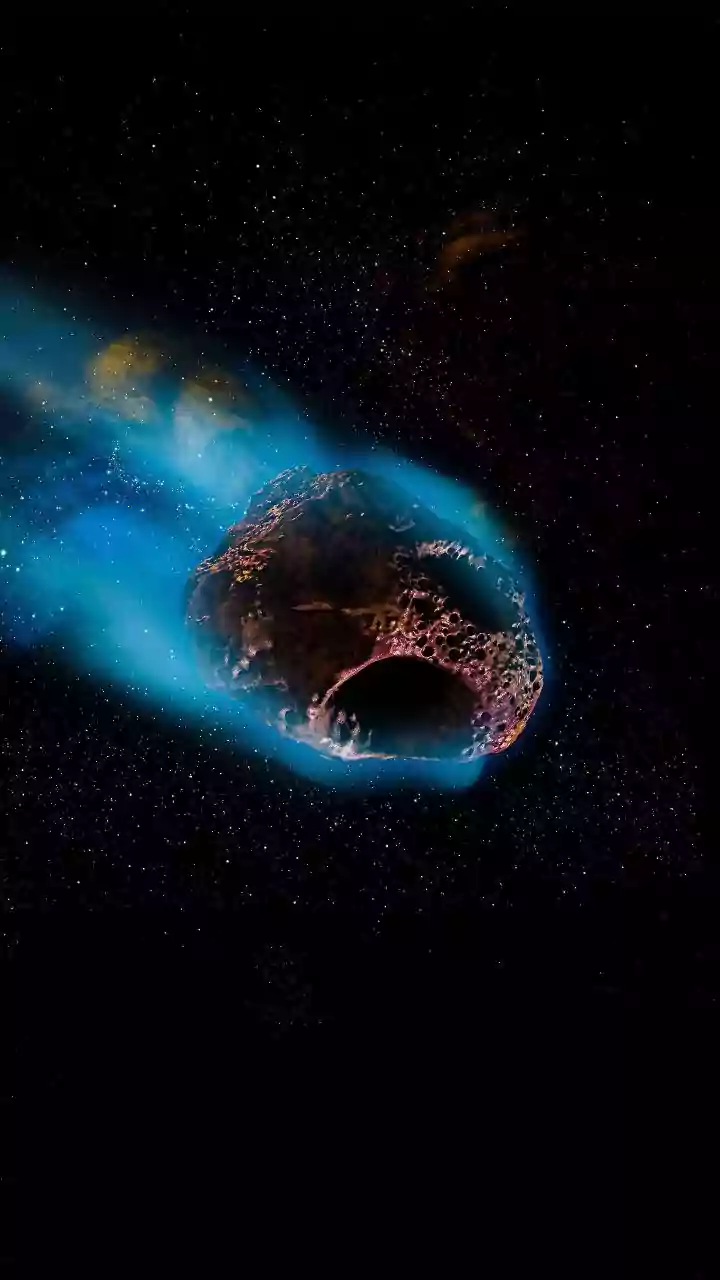
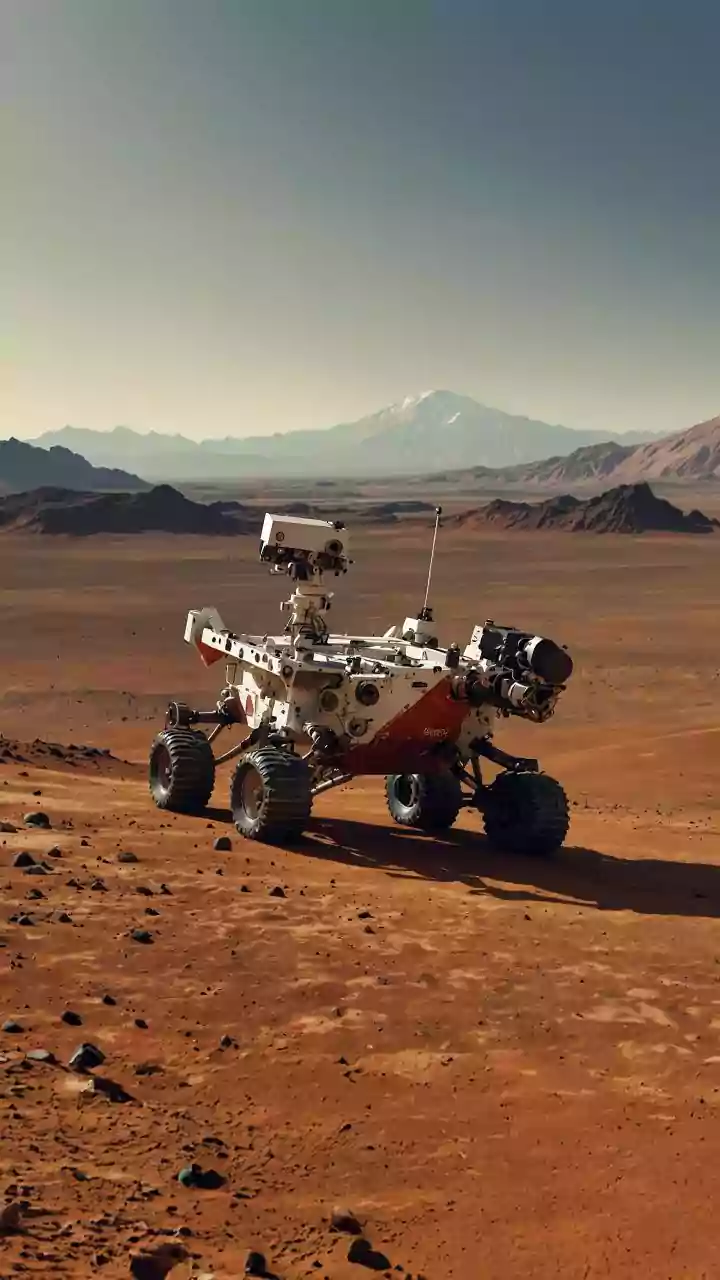
in the Sahara Desert in 2022, has captured the scientific world's attention. This rock, weighing just under a kilogram, was confirmed to be a visitor from the Red Planet. Its journey was epic: an asteroid or comet likely struck Mars millions of years ago, launching this piece of crust into space where it orbited the sun before eventually being captured by Earth's gravity and landing in Mali. Such meteorites are our only physical samples of Mars, providing tangible evidence that rovers and orbiters cannot.
A Planetary Time Capsule
What makes Teghaza 001 and other ancient meteorites like Allan Hills 84001 and 'Black Beauty' (NWA 7034) so special is their incredible age. They are time capsules from the Noachian period, the earliest chapter in Martian history. To put it in perspective, Teghaza 001 formed when Mars itself was in its infancy, just a few hundred million years old. At that time, life was just beginning to stir on Earth. Holding a piece of this meteorite is like holding a rock older than almost any found on our own planet. These samples give us a direct look at the primordial crust of Mars, a geological record that has been largely erased on Earth by plate tectonics and erosion.
The Science of Cosmic Clocks
The headline's claim hinges on the science of radiometric dating. Think of it as a natural clock locked inside the rock's minerals. Scientists look for tiny, durable crystals like zircon, which trap radioactive elements like uranium when they form. Uranium decays into lead at a very precise and predictable rate. By measuring the ratio of uranium to lead, geologists can calculate exactly when the crystal—and thus the rock—solidified from molten magma. Initial studies of Teghaza 001 placed its age at an astonishing 4.1 billion years. However, the nature of scientific discovery is to refine and re-test. The phrase 'more than 4.1 billion years old' reflects that this is a minimum age, with evidence suggesting the rock's components were interacting with water at this time, meaning the original rock is even older.
A Glimpse of a Watery Mars
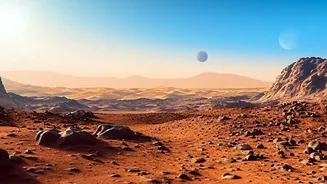
The incredible age of this meteorite is only part of the story. Its chemical composition provides compelling evidence that Mars was once a much different world. Analysis of Teghaza 001 revealed that it had been altered by water deep within the Martian crust. Isotope analysis suggests water was percolating through the planet’s subsurface and mixing with molten rock from the mantle, a process similar to what happens on Earth. This finding supports a growing body of evidence that early Mars was warmer and had a dynamic water cycle, including rivers and perhaps even oceans. This rock didn't just form on Mars; it was shaped by the water that flowed there billions of years ago, profoundly impacting our understanding of the planet's potential for past habitability.
Why This Ancient Rock Matters Today
A single, rose_colored rock from the Sahara might seem small, but its implications are vast. It provides a new, unique sample of Mars's early crust from a region we've never seen before. Most Martian meteorites are much younger, so ancient samples like Teghaza 001 are crucial for filling in the gaps in the planet’s history. By studying how Mars formed and evolved, and why it transformed from a potentially wet world into the cold desert we see today, scientists can better understand the factors that make a planet habitable. This messenger from Mars not only helps us understand our planetary neighbor but also provides context for Earth's own unique journey and our place in the cosmos.