






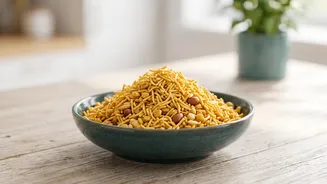

What Exactly Happened?
The Food Safety and Standards Authority of India (FSSAI) has directed CG Foods India Pvt. Ltd. to stop the production of its 'veg bhujia namkeen' products. This order came after an inspection of the company's manufacturing facility in Roopangarh, Ajmer,
Rajasthan, revealed significant violations of food safety and hygiene standards. The regulator initiated enforcement action and legal proceedings against the company, signaling a serious view of the findings.
The Alarming Discoveries
The FSSAI's inspection uncovered several troubling practices. Officials found that the unit was reprocessing broken noodles that had been collected from the floor and turning them into bhujia products without proper heat treatment. Furthermore, the company was accused of using predated packaging, meaning the dates on the packages were not accurate. The FSSAI also identified inadequate pest control records and other general deficiencies related to food hygiene and safety. As a result of these findings, the authority seized a massive 32,107.2 kg of stock from the site, which included loose broken noodles. Additionally, 1,925 boxes of expired finished goods were detained.
Which Products Are Affected?
The primary focus of the FSSAI's order is on the company's bhujia products. Specifically, the unlicensed manufacturing of 'Wai-Wai MaMa' and 'Wai-Wai Mama Punte' bhujia variants was flagged as a direct violation of the FSS Act, 2006. While CG Foods is widely known for its Wai Wai instant noodles, this specific action is concentrated on its namkeen snack line. However, the regulator did collect samples of various items for laboratory analysis, including the veg bhujia products, loose noodle material, used cooking oil, and even 'Wai-Wai Ready to Eat Noodles' for further testing.
Why This Action Matters for Consumers
This incident brings the crucial issue of food production integrity to the forefront. The FSSAI's findings of reprocessing floor-collected material without heat treatment point to a significant lapse in hygiene that could pose health risks. Using predated packaging misleads consumers about the freshness and safety of the product they are purchasing. For the millions who consume packaged snacks daily, this serves as a stark reminder of the importance of vigilant regulatory oversight. The FSSAI has committed to ensuring safe food standards through strict enforcement, and this action underscores that commitment. Consumers who may have purchased the affected bhujia products should be aware of this development, as the safety and quality of these batches are now under question.
A Sign of Stricter Enforcement?
The move against a major player like CG Foods is not happening in a vacuum. It aligns with a broader trend of the FSSAI tightening its grip on the food industry to ensure compliance. In recent years, the regulator has been working to introduce clearer labeling laws, such as front-of-pack warnings for foods high in salt, sugar, and fat, and has been cracking down on misleading advertisements. This action in Rajasthan could be interpreted as a strong signal to all food business operators that lapses in hygiene, documentation, and licensing will not be tolerated. The FSSAI has stated that further regulatory action will be based on the laboratory analysis of the collected samples, indicating that the scrutiny of CG Foods is far from over.