






An 18-Year Standoff Over a Fruit
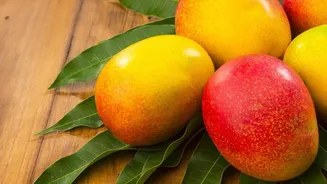
For nearly two decades, from 1989 to 2007, the king of fruits was persona non grata in the United States. While India produces over 40% of the world’s mangoes and boasts more than a thousand varieties, none could legally enter the US market. The reason
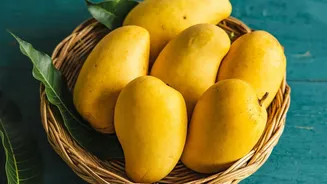
wasn't political animosity but a scientific one: phytosanitary concerns. The U.S. Department of Agriculture (USDA) feared that pests common to Indian mangoes, like the fruit fly and seed weevils, could infiltrate and devastate American crops, particularly citrus and stone fruit orchards in states like Florida and California. For years, this regulatory barrier seemed insurmountable, keeping beloved varieties like the Alphonso and Kesar out of reach for a growing diaspora and curious American foodies.
The Breakthrough: Irradiation and a Presidential Push
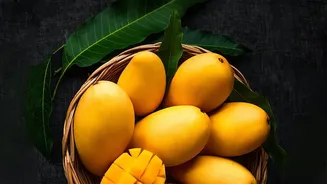
The diplomatic thaw began in the mid-2000s, coinciding with a significant warming of relations between New Delhi and Washington. The key was a technological solution: irradiation. India agreed to treat its mangoes at a certified facility, a process that neutralizes pests without compromising the fruit's quality. This agreement was the culmination of years of negotiation. The deal received a major push in March 2006 during President George W. Bush's visit to India. After tasting an Alphonso mango, he reportedly called it a “hell of a fruit,” and soon after, he and Prime Minister Manmohan Singh announced a deal. By April 2007, the first commercial shipment of Indian mangoes in 18 years landed in the United States, hailed as a landmark event.
More Than a Trade Deal
The mango agreement, often dubbed the “nuclear mango deal,” was significant precisely because it was linked to much larger strategic negotiations. It occurred around the same time as the historic U.S.-India Civil Nuclear Agreement, a pact that lifted restrictions on nuclear trade and signaled a new era of trust. In diplomacy, such deals are often about reciprocity. In exchange for mango access, India made concessions on other American products, notably lowering tariffs on Harley-Davidson motorcycles. This quid pro quo demonstrated that both nations could work through complex, long-standing issues. The mango, a product with deep cultural and emotional resonance in India, became a tangible, easily understood symbol of this newfound ability to find common ground.
The Sweet Taste of Soft Power
Lifting the ban was not the end of the story but the beginning of a new chapter in “mango diplomacy.” Since 2007, Indian mango exports to the US have grown substantially, with the US becoming a top market for premium varieties. Indian embassies and consulates regularly host mango festivals and tasting events, using the fruit as a tool of cultural outreach and soft power. These events introduce Americans to a celebrated part of Indian culture, strengthening people-to-people ties. The annual arrival of Indian mangoes has become a cultural event in its own right, especially for the Indian American community, for whom the fruit is a powerful link to home and heritage. It serves as a reminder that the bonds between nations are not just forged in high-level meetings but are also built on shared experiences and, in this case, shared tastes.