

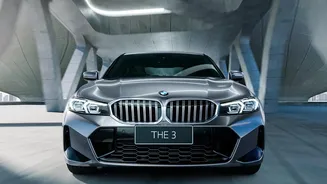
A New Map for a Legacy Brand
BMW's expansion is both ambitious and precise. The company plans to establish a presence in 10 new cities, bringing its total footprint to 50 cities across India by the end of 2026. This move is not just about planting flags on a map; it's a calculated
response to where India's wealth is moving. The new locations include a mix of emerging industrial and commercial hubs such as Guwahati, Jodhpur, Pondicherry, Mysore, Hubballi, and Nashik. The strategy involves a combination of full-fledged dealerships and smaller, more agile 'touchpoints' to cater to varying market sizes. This network growth is part of a broader vision that has seen India break into BMW's top 20 global markets. The decision is backed by strong performance, with the company recording its highest-ever first-half sales in India and selling out many of its newly launched models. According to BMW Group India's President and CEO, Hardeep Singh Brar, the goal is to make the brand and its services more accessible to a customer base that is no longer concentrated solely in the metros.
More Models, More Markets
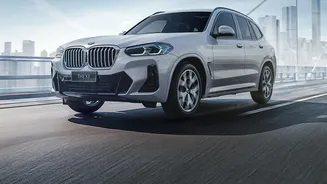
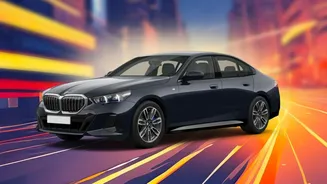
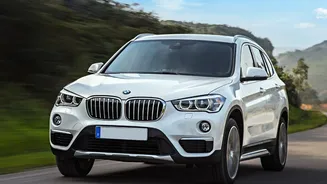
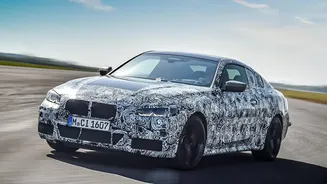
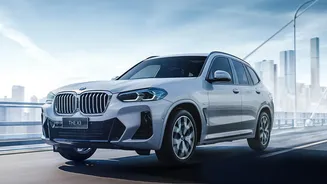
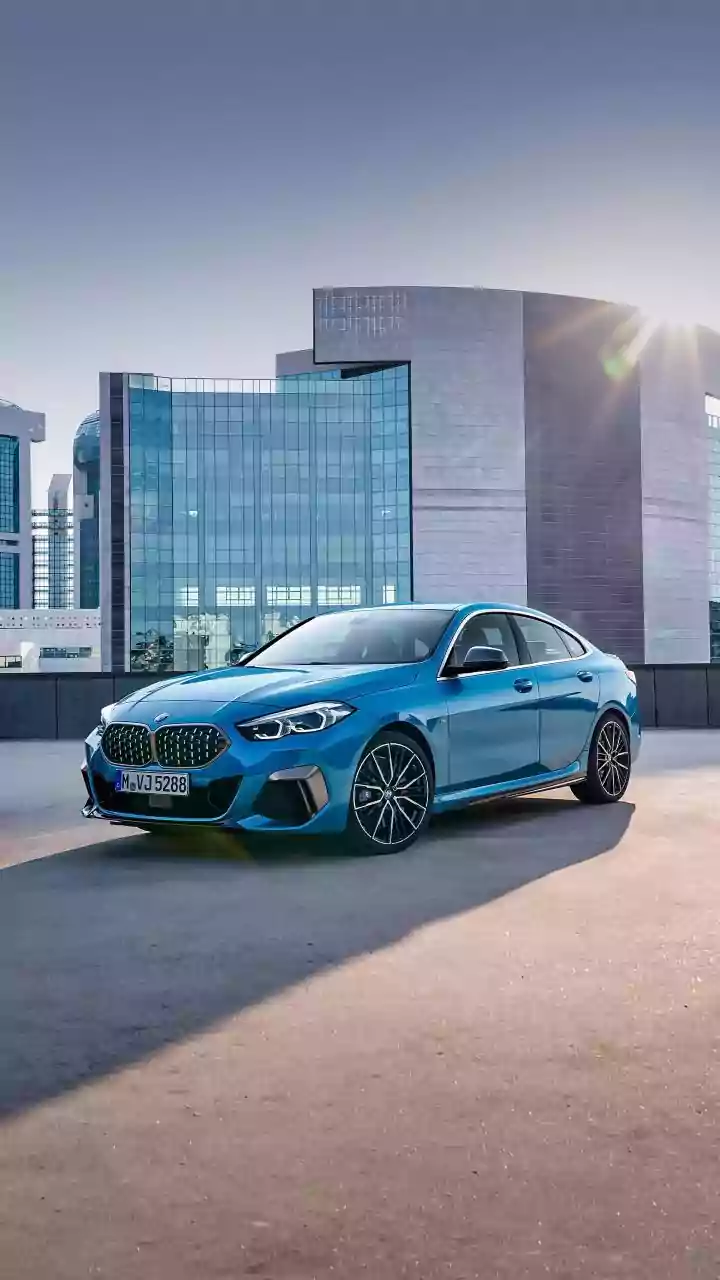
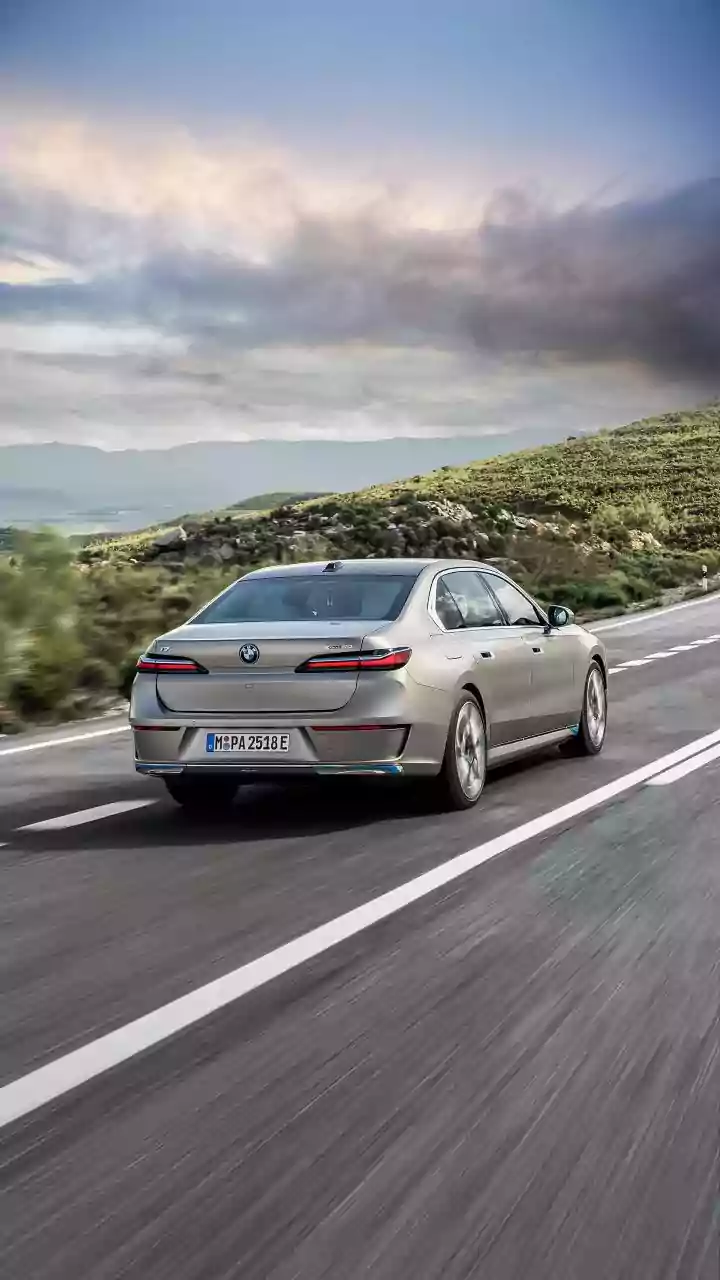
An expanding product portfolio is the engine powering this geographic growth. In 2026 alone, BMW has planned an aggressive product offensive, including new models, facelifts, and special editions. With 11 models already launched this year and 14 more on the way, the brand is ensuring it has an offering for nearly every segment of the luxury market. This diverse line-up is crucial for attracting buyers in new cities. The growth is particularly strong in the entry-level luxury space with models like the X1 SUV and in the rapidly growing Electric Vehicle (EV) segment. BMW now commands a significant share of the luxury EV market in India, and models like the iX1 and i4 are finding strong traction. The company's strategy includes launching a wide array of vehicles, from luxury sedans and popular SUVs to high-performance M models and a refreshed MINI portfolio, ensuring that new showrooms have a compelling and varied range to offer customers from day one.
The Tier-2 Treasure Hunt
The core of BMW's strategy lies in recognizing a fundamental shift in the Indian economy: the decentralization of wealth. For years, the luxury car market was confined to major metros like Mumbai, Delhi, and Bengaluru. However, recent trends show that Tier-2 and Tier-3 cities are becoming powerful new engines of growth. Cities like Lucknow, Coimbatore, and Jaipur are seeing a surge in high-net-worth individuals, successful entrepreneurs, and young professionals with high disposable incomes. Reports indicate that luxury car sales outside the top metro cities are growing at a remarkable pace, sometimes exceeding 30% year-on-year. This is driven by improved infrastructure, the rise of local business ecosystems, and a digitally-savvy generation of buyers who are aspirational and globally aware. For this new class of buyers, a luxury vehicle is a tangible symbol of success, and brands like BMW are moving quickly to meet this demand right at its source.
Racing for Regional Dominance
BMW is not alone in this race. The entire luxury automotive sector has its eyes on India's emerging cities. Competitors like Mercedes-Benz and Audi are also pursuing similar expansion strategies, creating a competitive landscape for capturing the next wave of growth. The market itself is maturing, with luxury vehicles still accounting for a small fraction—just over 1%—of total car sales, indicating massive headroom for growth. BMW's aggressive push, combining a product blitz with a wider retail net, is a clear attempt to gain a first-mover advantage in these high-potential regions. By establishing its presence early, the brand aims to build loyalty and capture customers as they enter the luxury segment. This strategy is less about short-term sales figures and more about laying the groundwork for long-term dominance as India's economic prosperity continues to spread across the country.