






What 'Best-Before' Really Means
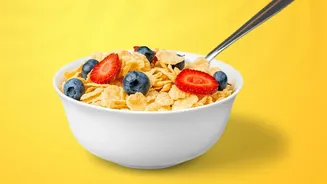
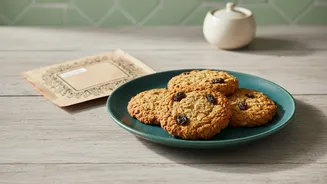
Think of the 'Best-Before' date as a promise of peak quality from the manufacturer. This date indicates how long an unopened food product will retain its specific properties, like flavour, texture, and nutritional value, when stored correctly. It is typically
found on shelf-stable and longer-life products such as biscuits, cereals, canned goods, spices, and pasta. After this date, the food might not be at its absolute best—the biscuits might be less crisp, the cereal less crunchy—but it is generally still safe to eat. The Food Safety and Standards Authority of India (FSSAI) clarifies that beyond this date, the food may still be perfectly safe, though its quality might have diminished. However, this only applies if the packaging is intact and undamaged.
The Crucial 'Use-By' Date
The 'Use-By' date is a strict safety instruction. It applies to highly perishable foods that can pose a health risk after a short period. Think of products like packaged milk, paneer, fresh meat, fish, and ready-to-eat salads. According to food safety authorities, you should not eat, cook, or freeze food after its 'Use-By' date has passed, even if it looks and smells perfectly fine. Harmful bacteria can grow without being visible, and consuming such products could lead to food poisoning. FSSAI regulations are clear: food should not be sold or consumed after the 'Use-By' or 'Expiry' date, as its safety can no longer be guaranteed.
The Core Difference: Quality vs. Safety
The fundamental distinction is simple: 'Best-Before' is about quality, while 'Use-By' is about safety. A 'Best-Before' date suggests when the product will have the best flavour and texture. A 'Use-By' date tells you the last day a product is safe to consume. Mistaking one for the other has significant consequences. Tossing out food just past its 'Best-Before' date contributes to household food waste, a major issue in India where an estimated 50 kg of food is wasted per person annually. On the other hand, ignoring a 'Use-By' date can expose you and your family to serious health risks.
How to Apply This in Your Kitchen
Becoming a smarter shopper starts with reading labels correctly. When you're buying groceries, check the dates. For perishable items with a 'Use-By' date, only buy what you can realistically consume before that date. For items with a 'Best-Before' date, you have more flexibility. Once home, proper storage is key to maintaining both quality and safety. Store perishable items in the refrigerator at the correct temperature and dry goods in cool, dark places in airtight containers. Always use the 'First In, First Out' (FIFO) method: place newly purchased items at the back of your pantry or fridge and move older items to the front so they get used first. This simple habit can drastically cut down on forgotten items and reduce waste.
Trust Your Senses, But With Caution
For foods that are past their 'Best-Before' date, your senses are a useful guide. Before consuming, inspect the product. Look for changes in colour, texture, or any signs of mould. An unpleasant odour is another clear warning sign. If the packaging is bulging, dented, or rusted—especially with canned goods—discard it regardless of the date, as the contents could be compromised. However, this sensory check does not apply to foods past their 'Use-By' date. Pathogenic bacteria that cause food poisoning are often invisible and have no smell or taste, making a sensory check unreliable for safety. When it comes to 'Use-By' dates, the rule is firm: when in doubt, throw it out.