







From Policy to Your Plate
Building on the success of its 'One District, One Product' (ODOP) scheme, the Uttar Pradesh government is rolling out the 'One District, One Cuisine' (ODOC) model. The plan is ambitious yet simple: develop dedicated cuisine clusters across all 18 of the state's
administrative divisions. The goal is to provide a formal identity and modern infrastructure for the unique and traditional foods of each district. This initiative isn't just about good food; it's a strategic move to link the state's rich culinary heritage with economic growth, employment, and tourism. By creating these branded food hubs, the government aims to empower local entrepreneurs, chefs, and farmers, giving them a platform to showcase their skills and products.
What's on the Menu?
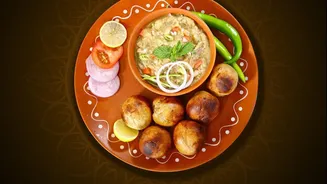
Each of the 18 divisions will become a showcase for the signature dishes of its constituent districts. Imagine traveling through UP on a gastronomic trail, sampling the best of what each region has to offer. The Agra division will highlight its world-famous Petha and crispy Dal Moth. Mathura's cluster will be a paradise for those with a sweet tooth, featuring its divine Pedas and Makhan Mishri. In the east, Gorakhpur will champion the rustic and beloved Litti-Chokha, while Varanasi will serve up its iconic Banarasi Paan and Thandai. The plan includes promoting everything from well-known staples like Kanpur's Samosas to unique local specialties like black rice dishes from Chandauli and amla-based products from Pratapgarh. A recent list identified 208 signature vegetarian items, from sweets and snacks to staple meals, mapping the culinary DNA of the entire state.
A Recipe for Economic Growth
The ODOC initiative is designed to be a powerful economic engine. By establishing these cuisine clusters, the state plans to create new opportunities in food processing, packaging, cold chain logistics, and quality testing. This will provide a significant boost to Micro, Small, and Medium Enterprises (MSMEs), startups, and local entrepreneurs, with a special focus on creating opportunities for youth and women. The vision extends beyond local markets. Through modern branding, high-quality packaging, and better market access via e-commerce and food festivals, these regional delicacies are set to reach national and international audiences. This organised approach is expected to attract investment, strengthen the vision of a self-reliant Uttar Pradesh, and turn the state's cultural strength into economic power.
The Missing Ingredient?
While the plan has been widely praised for its vision, the initial list of 208 dishes has stirred some debate. Food critics and historians have pointed out a glaring omission: not a single non-vegetarian dish was included. This means iconic preparations like Lucknow's Galouti Kebabs, Moradabadi Biryani, and the Handi Mutton of Azamgarh are currently absent from the official list, despite their global fame and deep cultural roots in the state. Lucknow, for instance, which UNESCO recently named a 'Creative City of Gastronomy', was assigned Rewari and Chaat instead of its famous kebabs. Officials have stated the list is flexible and can be updated based on public feedback, suggesting the culinary story of ODOC may yet have more chapters to add.