






A New Star in India's Sky
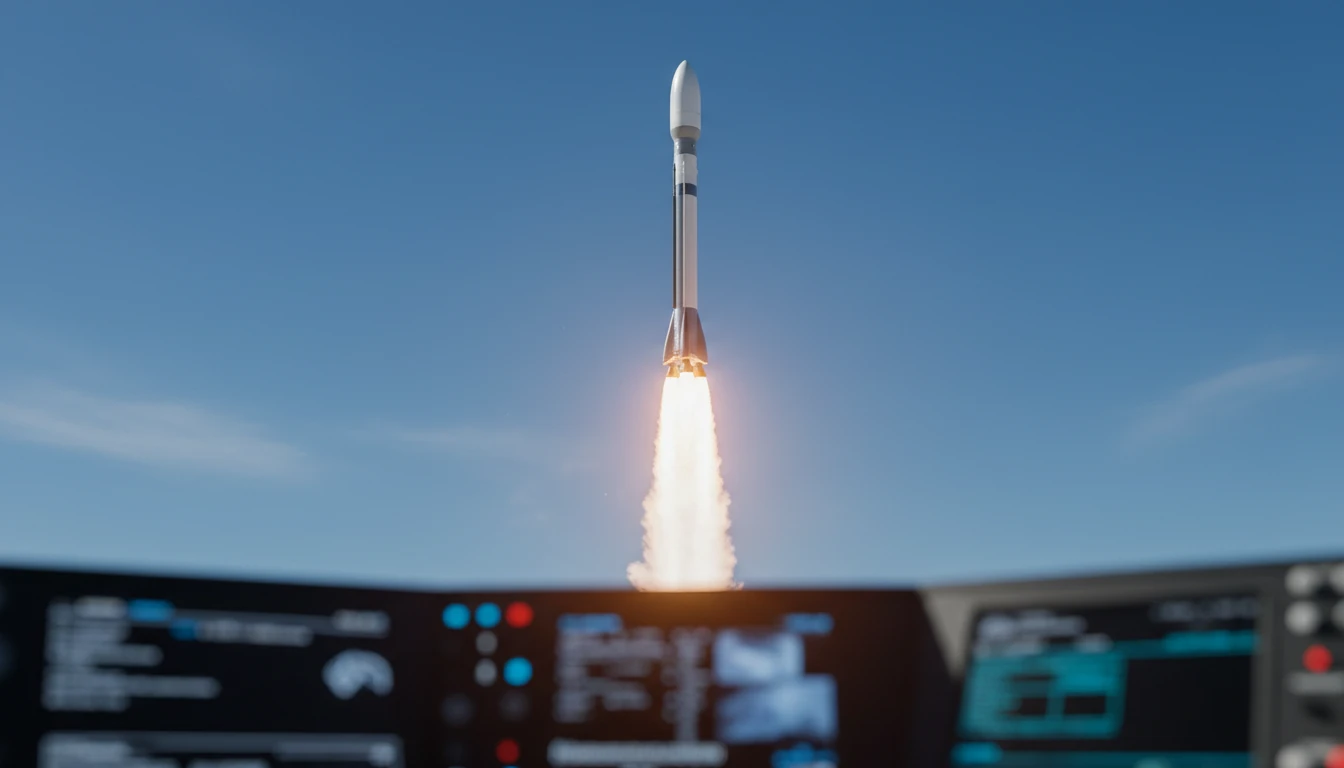
On July 18, 2026, Skyroot Aerospace made history by successfully launching its Vikram-1 rocket into orbit, becoming the first private Indian company to achieve this feat. The mission, named 'Aagaman' (Sanskrit for 'arrival'), lifted off from the Satish
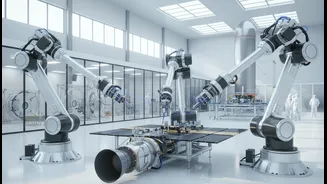
Dhawan Space Centre in Sriharikota, deploying several small satellites into a low-Earth orbit. Developed by the Hyderabad-based startup, Vikram-1 is a small-lift launch vehicle designed to place payloads of up to 480 kg into orbit. Its construction from a lightweight, all-carbon-composite body and its use of 3D-printed engines showcase cutting-edge, agile manufacturing. This launch positions India alongside the US and China as one of the few countries with private orbital launch capabilities, marking a pivotal moment for the nation's commercial space aspirations.
More Than Just a Launch
The success of Vikram-1 is the culmination of reforms initiated in 2020, when the Indian government opened the space sector to private enterprise. This policy shift led to the creation of the Indian National Space Promotion and Authorisation Centre (IN-SPACe), a single-window agency designed to promote and regulate the activities of non-governmental entities (NGEs). IN-SPACe facilitates access to ISRO's extensive infrastructure and expertise, helping to nurture a burgeoning ecosystem of space startups. The Indian space economy, currently valued at around $8.4 billion, is projected to grow to over $40 billion by 2033. This rapid expansion is transforming the industry from one dominated by the state-run ISRO to a dynamic public-private partnership, attracting significant investment and fostering innovation.
The 'Space-Up' Effect on Talent
A high-profile success like Vikram-1 has an inspirational power that can’t be understated. For decades, a career in space in India largely meant joining ISRO. Now, with over 400 space startups in the country, a visible pathway into the commercial sector has opened up. This 'SpaceX effect' is critical for attracting a new generation of engineers, scientists, and technicians. It makes careers in rocketry, satellite manufacturing, and data analytics tangible and exciting for students. However, the sector still faces challenges. There is a noted shortage of specialised talent in niche fields like propulsion and photonics, forcing many startups to invest heavily in training graduates from other engineering disciplines. High-visibility missions create role models and can steer academic and career choices, encouraging more students to pursue specialised space-related courses and helping to close this skill gap over time.
Building a Full-Stack Ecosystem
Vikram-1's achievement is a crucial piece of a much larger puzzle. India's strategy is shifting from being just a launch provider to building a comprehensive commercial space infrastructure, from satellite constellations to ground stations and in-orbit services. This requires a diverse talent pool that goes beyond rocket science. The growth of private space companies creates demand for professionals in manufacturing, data analytics, software development, systems integration, and business management. The government is supporting this through initiatives like a ₹1,000 crore Venture Capital Fund managed by IN-SPACe to provide early-stage capital. As companies like Skyroot mature, they become anchor points for a wider supply chain, creating jobs across hundreds of smaller MSMEs that provide components and services, further diversifying the talent pipeline.
The Final Frontier for Indian Innovation
While the Aagaman mission was a resounding success, the journey for Skyroot and India’s private space sector is just beginning. The next challenge is achieving a regular launch cadence to prove reliability and secure a share of the competitive global small-satellite launch market. Skyroot is already planning its next vehicle, the Vikram-II, with greater payload capacity. The success of such ventures is crucial for retaining talent within India, countering the 'brain drain' of skilled engineers seeking opportunities abroad. By demonstrating that world-class space innovation can be built and scaled domestically, these companies are not just launching satellites; they are launching careers and securing India’s place as a significant power in the global space economy.