




The Science of Balancing Fat
At its core, the magic of lemon lies in the principle of balance. Creamy sauces, loaded with butter, heavy cream, and often cheese, are rich in fat. While delicious, fat coats the tongue, which can lead to a muted or heavy sensation on the palate. Acidity,
like that from lemon juice, acts as a solvent. The citric acid in lemon cuts through the richness, cleansing your palate with each bite. This prevents the dish from feeling overwhelming and makes the next mouthful taste just as good as the first. It's the culinary equivalent of a reset button, ensuring the flavour remains lively and not one-note.
Brightening and Awakening Flavours
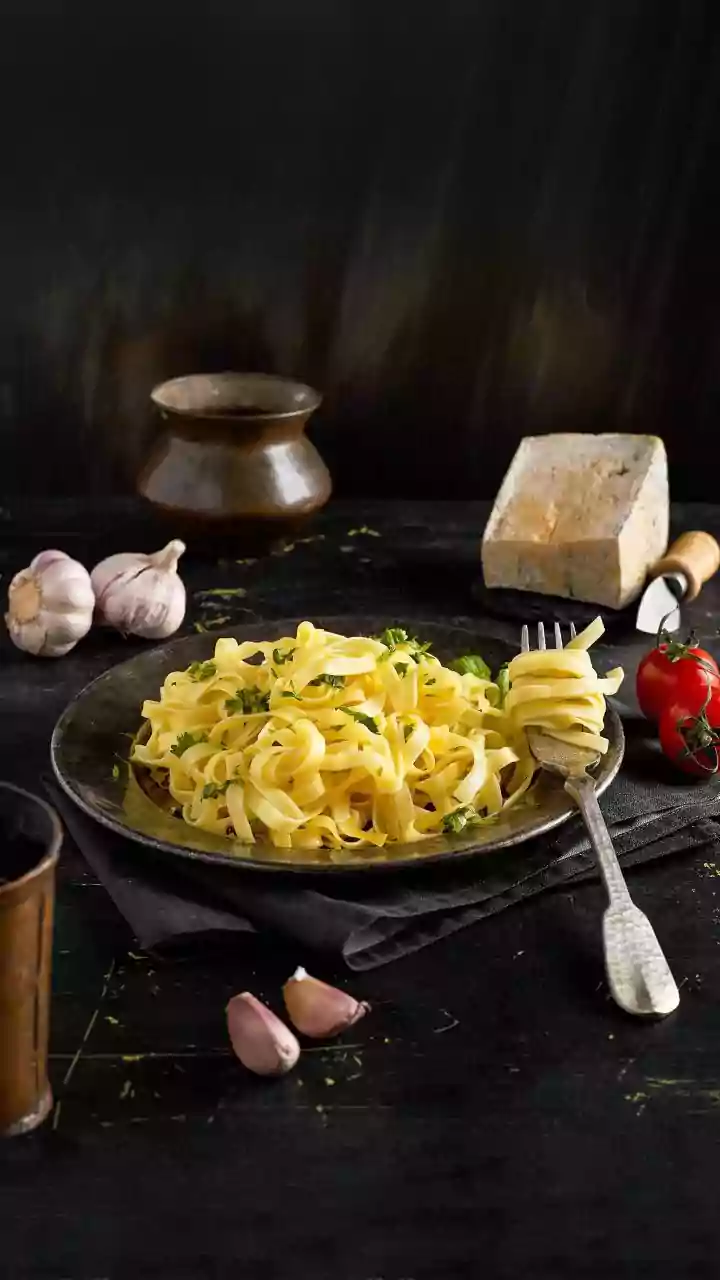
Lemon doesn't just subtract heaviness; it actively adds brightness and enhances other ingredients. Acid is a flavour enhancer, much like salt. It has the ability to make other flavours in the dish seem more pronounced and vibrant. The sharpness of the lemon will make the savoury notes of the garlic and the umami from any Parmesan cheese pop. It triggers salivation, which changes and heightens how you perceive every flavour in the dish. A sauce that might have tasted flat or muddy suddenly becomes complex and dynamic, with all its individual components shining through.
Taming the Pungency of Garlic
Garlic is a key player in this pasta dish, but its flavour can sometimes be aggressive or overpowering, especially if it's not cooked down for a long time. Acidity has a mellowing effect on the potent flavour compounds in garlic. A squeeze of lemon can temper any harsh, pungent notes, rounding them out to create a more pleasing, aromatic garlic flavour that integrates smoothly into the sauce rather than dominating it. This is why citrus is so often paired with garlic in marinades and dressings; it brings out the best in garlic while keeping its aggressive side in check.
The Irresistible Power of Aroma
The upgrade isn't just about taste; it's also about smell. A significant portion of what we perceive as flavour actually comes from aroma. When you squeeze a fresh lemon, you're not just adding juice; you're releasing volatile aromatic oils from the peel into the air. Using lemon zest is even more effective for this. These fresh, citrusy aromas mingle with the warm, savoury scent of the garlic pasta, creating a more complex and inviting bouquet before the fork even reaches your mouth. This aromatic lift makes the dish feel fresher and more appetizing from the very first impression.
A Note on Technique
To get the best results, timing is everything. Acid can cause dairy to curdle, so you want to be strategic. For the biggest impact with the least risk, add your squeeze of lemon juice at the very end of the cooking process, after the pan has been removed from the direct heat. Stir it in gently to combine. This preserves the fresh, bright flavour and aroma of the lemon, which can be cooked off by excessive heat, and it minimizes the chance of the cream separating. For an even safer bet and an extra burst of fragrance, finish the dish with a fine grating of lemon zest right before serving.