



A Divisive Staple Returns
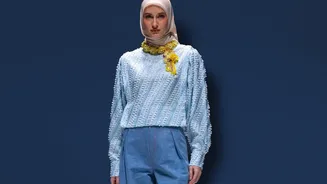
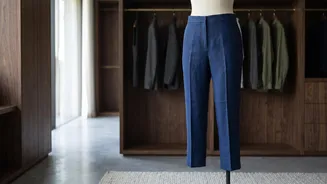
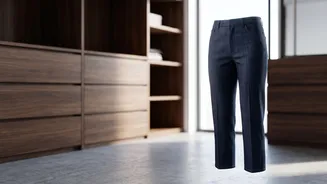
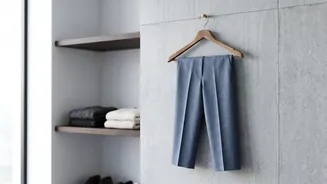
Copenhagen Fashion Week, long a barometer for effortless, forward-thinking style, has given its blessing to the cropped trouser for its Spring 2027 season. Spotted in collections from brands like OpéraSport, the capri—or pedal pusher—is being presented
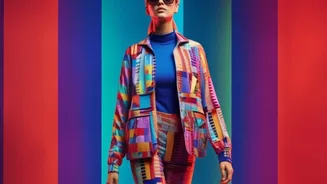
not as a kitschy throwback but as a legitimate piece of a modern wardrobe. Paired with oversized tees, layered under mini dresses, or styled with sharp, architectural tops, the new capri feels intentional and fresh. This isn't the stretchy, ill-fitting holiday staple many might remember. Instead, designers are using the silhouette to play with proportion and offer a practical, chic alternative to shorts or full-length trousers, confirming a trend that has been bubbling up for a few seasons.
The Capri's Complicated Past
To understand why this comeback is significant, we have to acknowledge the capri's checkered history. First introduced in 1948 by designer Sonja de Lennart and named for the Italian island, the pants were popularised by icons like Audrey Hepburn and Brigitte Bardot in the 1950s and '60s. They represented a new, liberated femininity—a step away from skirts and dresses that was chic and modern. However, for many millennials, the most vivid memory is of the pant's Y2K-era revival, a time of low-rise fits and questionable pairings that ultimately led to the capri becoming a fashion pariah, relegated to the category of sartorial misstep.
The 2027 Refresh: How to Wear It Now
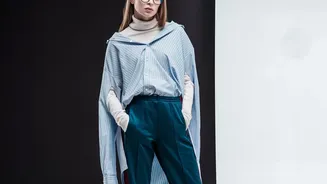
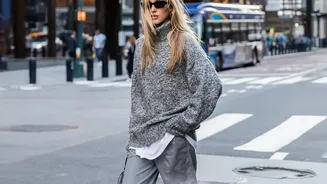
The key to embracing the 2027 capri is all in the styling, which feels worlds away from its previous iterations. The modern approach focuses on creating a balanced and elongated silhouette. Stylists suggest pairing fitted capris with oversized blazers or crisp, loose button-down shirts to play with proportions. Conversely, a wider-leg or more voluminous capri—a popular new shape—works best with a simple, fitted top. The footwear choice is crucial: forget the chunky flip-flops of the past and think in terms of sleek kitten heels, minimalist ballet flats, or pointed-toe slingbacks to elevate the look and keep the leg line clean. The new capri is less about casual comfort and more about a deliberate, polished ease.
More Than a Trouser: The Bigger Picture
The return of the capri isn't just about fashion's cyclical nature; it's a direct response to a perennial wardrobe problem: how to dress for the heat without sacrificing style. In sweltering summers, full-length trousers can feel suffocating, while shorts often feel too casual for many settings, including more corporate offices. The capri trouser hits a functional sweet spot, offering more coverage and polish than shorts but providing the ventilation that long pants lack. Its revival, particularly through the lens of practical-minded Scandinavian design, highlights a growing desire for clothing that is not just trendy but genuinely useful and adaptable to the demands of modern life and a changing climate.
Beyond the Capri: Warm-Weather Wisdom
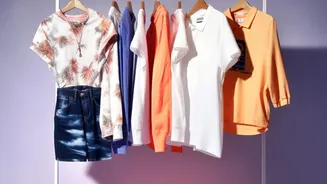
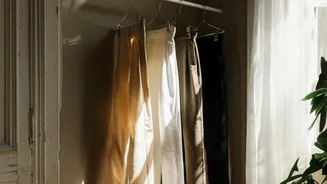
The principles that make the capri work in 2027 can be applied to all warm-weather dressing. The first lesson is a focus on fabrication. Lightweight, breathable materials like linen, cotton, and gauze are essential for staying comfortable when temperatures rise. Secondly, silhouette matters. Opting for looser, more flowy shapes allows for better airflow and prevents fabric from clinging uncomfortably to the skin. Finally, intentionality is key. An outfit feels stylish in the heat when it looks deliberate. This can be achieved through thoughtful layering with light pieces like a kimono or an unbuttoned linen shirt, or by using accessories to add structure and polish to an otherwise simple look.