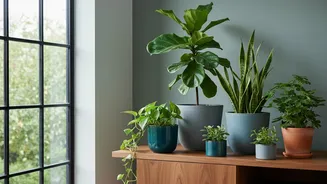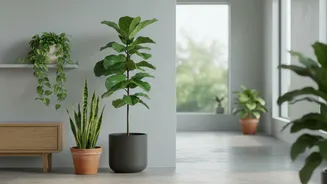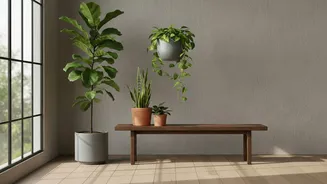



First, Decode Your Light
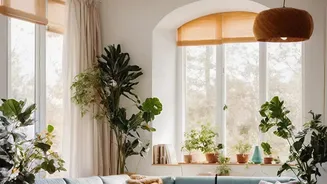
The single most important factor for a plant's health is light. Before you shop, take a day to observe the light in your home, which is determined by the direction your windows face. You can use your phone's compass app to be sure. North-facing windows offer
the least light, providing indirect, cool light throughout the day. East-facing windows get gentle, direct morning sun and indirect light for the rest of the day. South-facing windows receive the most intense, direct sunlight, especially in the afternoon. West-facing windows get strong, hot afternoon sun, which can be harsh for many plants. Keep in mind that obstructions like large trees outside or even sheer curtains can dramatically alter these conditions.
Plants for Every Window Direction
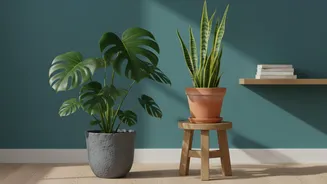
Once you know your light, you can match plants to it. For low-light, north-facing windows, choose resilient plants like the Snake Plant (Sansevieria), ZZ Plant (Zamioculcas zamiifolia), and Pothos. These are known for their tolerance of lower light conditions. East-facing windows are perfect for plants that enjoy moderate, gentle morning light, such as Calatheas, Peperomias, and many Ferns. For the bright, powerful sun of a south-facing window, opt for sun-loving species. Cacti and succulents like Jade Plants and Aloe Vera will thrive here. West-facing windows, with their intense afternoon sun, are also suitable for hardy plants like Crotons and Tradescantia.
Understanding Room Humidity
Many popular houseplants are native to tropical regions and crave moisture in the air. The average home, especially one with heating or air conditioning, is often too dry for them. Most houseplants are happiest in a relative humidity of 50 to 60 percent. Rooms like bathrooms and kitchens naturally have higher humidity, making them ideal locations for certain plants. Signs that your air might be too dry for your plants include brown, crispy leaf tips. Wilting can be a sign of both under- and over-watering, but it can also indicate a humidity issue. You can invest in a small hygrometer to measure your home’s humidity levels for a more accurate reading.
Low-Humidity Heroes
If you know your home is on the drier side, don't despair. Many plants are perfectly adapted to these conditions and require very little fuss. The ZZ Plant and Snake Plant are champions of dry air, just as they are of low light. The Ponytail Palm, which stores water in its bulbous trunk, is another excellent choice that is well-adapted to low water and low humidity. Most cacti and succulents are also great options, as their native desert environments have conditioned them for dry conditions. The tough-as-nails Cast Iron Plant (Aspidistra) is another variety that can handle less-than-ideal humidity levels with grace, making it a fantastic choice for beginners.
Plants That Crave Moisture
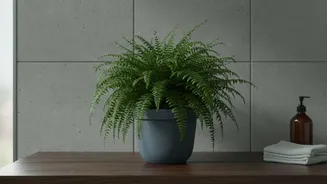
For that lush, jungle-like feel, you’ll want plants that love humidity. These are perfect for a bright bathroom or a kitchen windowsill. Ferns of all kinds, like the Boston Fern and Maidenhair Fern, are classic humidity lovers. Calatheas, often called Prayer Plants, are famous for their stunning foliage but will quickly develop brown, crispy edges without enough moisture in the air. The elegant Peace Lily, which can even produce its white blooms in lower light, also appreciates higher humidity. If you fall in love with one of these plants but your room is dry, consider placing it on a pebble tray with water or investing in a small room humidifier.