






India's space ambitions are set for a major push. ISRO's chairman has confirmed a busy launch schedule ahead, relying on its trusted PSLV and the agile, new-generation SSLV to expand its strategic and commercial reach in the cosmos.
The Reliable Workhorse Steps Up
The Polar Satellite
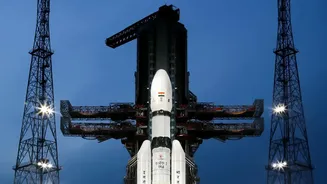
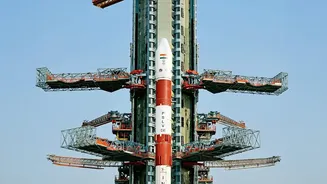
Launch Vehicle, or PSLV, is the backbone of India’s space program. Known for its remarkable reliability, this versatile rocket has been behind some of ISRO's most prestigious missions, including Chandrayaan-1 and the Mars Orbiter Mission (Mangalyaan). According to recent announcements by ISRO Chairman V. Narayanan, the space agency plans to conduct at least two more PSLV launches in the current financial year. This continued reliance on the PSLV underscores its importance for deploying national assets like Earth observation and navigation satellites, which are crucial for everything from urban planning and disaster management to military surveillance. One upcoming mission, the Technology Demonstration Satellite (TDS-01), is scheduled for November 2026 and will test critical new technologies in orbit. The PSLV's consistent performance makes it the default choice for high-stakes missions that are vital to India's strategic interests.
The Agile Newcomer for a New Market
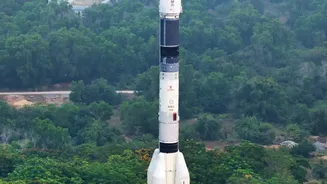
Alongside the veteran PSLV, ISRO is aggressively pushing its Small Satellite Launch Vehicle (SSLV). This newer, smaller rocket is designed specifically to cater to the booming global market for small satellites. Unlike the larger PSLV, the SSLV offers a 'launch-on-demand' capability with a quick turnaround time, making it highly attractive for commercial clients who want to get their satellites into orbit quickly and affordably. The Chairman has confirmed plans for two SSLV missions in the near future, signaling ISRO's intent to capture a significant share of this lucrative market. One of these missions will be a ride-share flight carrying multiple satellites, including a technology demonstrator for in-orbit refueling. By operationalizing the SSLV, ISRO is not just adding another rocket to its fleet; it's unlocking a new commercial revenue stream.
A Strategy for Space Dominance
The focus on both PSLV and SSLV reveals a clear, two-pronged strategy. The PSLV remains the vehicle of choice for large, complex government satellites and deep-space missions that require its proven track record. It is a symbol of sovereign capability. The SSLV, meanwhile, is ISRO's nimble entry into the competitive commercial space, designed to launch payloads of up to 500 kg to Low Earth Orbit. This dual approach allows ISRO to serve its national priorities while simultaneously competing with global players like SpaceX in the small-satellite domain. Further, this strategy aligns with a broader policy to transition the manufacturing of these operational rockets to private industry consortiums. This will free up ISRO to focus on research and development for next-generation technologies, such as reusable launch vehicles and the Gaganyaan human spaceflight program.
Boosting India's Space Economy
This packed launch schedule is about more than just national pride; it's a strategic economic move. The Indian government aims to grow the nation's space economy from around $8 billion to $44 billion by 2033 and capture a larger slice of the global market. By increasing launch frequency with both the PSLV and SSLV, ISRO is building a robust ecosystem for private space-tech companies in India. These reforms, facilitated by bodies like IN_SPACe, encourage startups and established firms to take on manufacturing and operational roles, creating high_tech jobs and fostering innovation. As ISRO hand_holds the private sector in building these rockets, it strengthens India's industrial base, making the country a more competitive and self_reliant player on the world stage. The message is clear: India is not just exploring space, it is building a sustainable and commercially viable highway to the stars.