


A Nutritional Powerhouse in a Jar
A standard two-tablespoon serving of peanut butter provides a robust mix of nutrients. It typically contains about 7-8 grams of plant-based protein, which is vital for muscle repair and keeps you feeling full longer. This protein content makes it a favourite
among fitness enthusiasts for post-workout recovery. The fat content, around 16 grams per serving, is where peanut butter really shines. The majority of this is heart-healthy monounsaturated and polyunsaturated fats. These 'good' fats, similar to those found in olive oil, can help improve cholesterol levels and reduce the risk of heart disease. Beyond protein and fats, peanut butter is also a good source of essential micronutrients, including vitamin E, magnesium for bone health, and niacin (vitamin B3), which supports energy metabolism and nerve function.
Not All Peanut Butters Are Equal
When you walk down the supermarket aisle, you'll find a wide array of peanut butter jars, but their nutritional value can vary dramatically. The key difference lies in the ingredients. 'Regular' or conventional peanut butters often contain added sugars, salt, and hydrogenated oils. These oils are added to prevent the natural peanut oil from separating, creating a consistently smooth, no-stir texture. However, this process can create unhealthy trans fats, which are linked to an increased risk of heart disease. Added sugars contribute empty calories, detracting from the inherent health benefits of the peanuts themselves.
How to Choose the Healthiest Spread
The healthiest peanut butter is the most natural one. The golden rule is to check the ingredient list. Ideally, it should contain only one or two ingredients: peanuts and perhaps a small amount of salt. This is 'natural' peanut butter. When you open a jar, you'll likely see a layer of oil on top; this is the natural peanut oil that has separated, and it's a good sign. Simply stir it back in before spreading. Don't be fooled by clever marketing terms on the front of the label. The short, simple ingredient list on the back is your best guide to a truly healthy product. By choosing a natural variety, you get more nutrient density with higher levels of protein and fibre, without the unhealthy additives.
A Note on Aflatoxins
Some consumers worry about aflatoxins, which are toxic compounds produced by a mould that can grow on crops like peanuts. However, in countries with robust food safety regulations, this risk is minimal for commercially produced peanut butter. Government bodies enforce strict limits on aflatoxin levels, and products are regularly tested. Furthermore, the roasting process itself can significantly reduce aflatoxin levels if they are present. Once the peanut butter is sealed in a jar, aflatoxins cannot form, so as long as the production process is safe, the final product is safe for consumption.
Smart Ways to Enjoy Your Spread
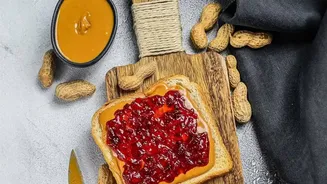
While peanut butter on toast is a classic, there are many other healthy ways to incorporate it into your diet. Its low carbohydrate content and low glycemic index make it a good option for managing blood sugar levels. Try blending a tablespoon into your morning smoothie for a protein boost, swirling it into a bowl of oatmeal, or using it as a base for a savoury satay sauce for vegetables or chicken. It also works wonderfully as a dip for apple slices, celery sticks, or whole-grain crackers. Remember that peanut butter is calorie-dense, so moderation is key. A two-tablespoon serving is generally a good portion size to reap the benefits without overdoing it.