







A Shadow Odyssey Emerges
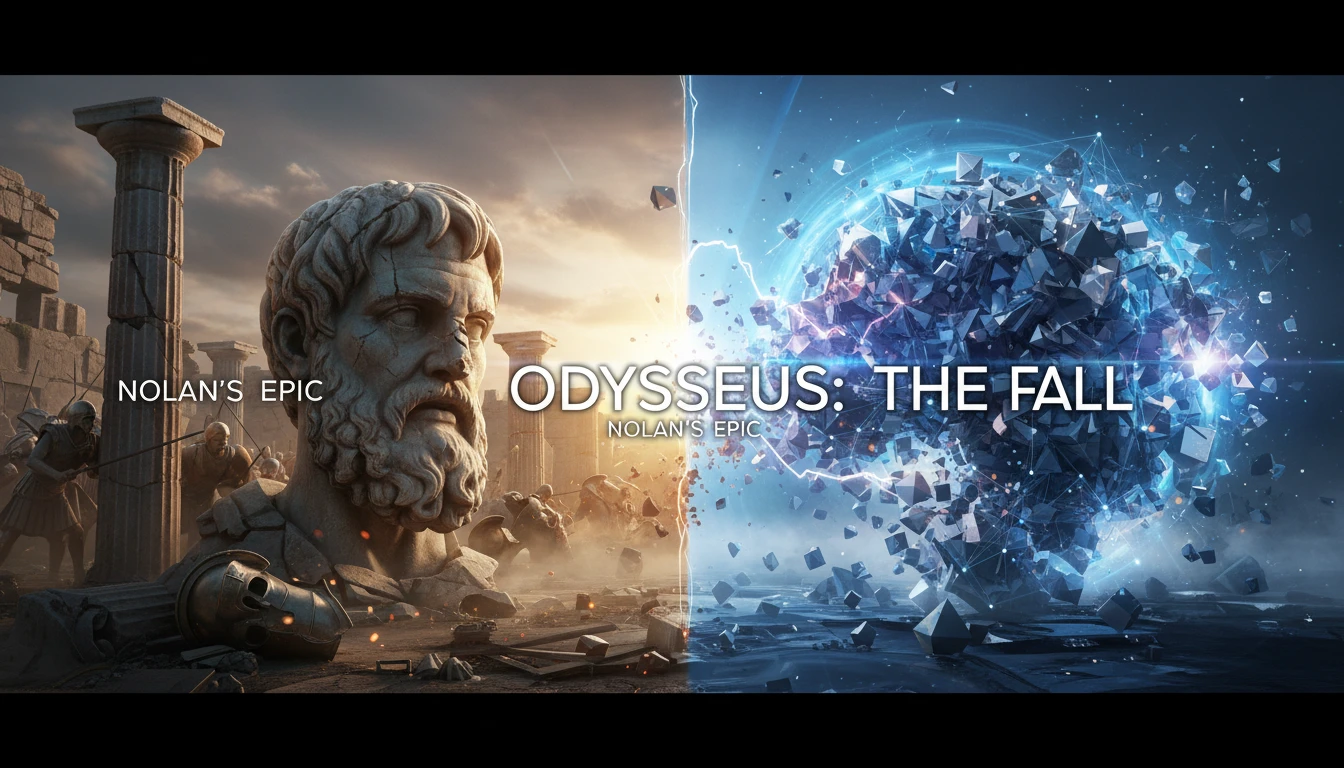
Just as audiences prepare for Christopher Nolan’s big-budget epic 'The Odyssey', starring Matt Damon, another version of the Greek hero's tale is making waves. Titled 'Odysseus: The Fall', this feature-length, 135-minute film is not from a rival Hollywood
studio. Instead, it’s the creation of AI film company Fountain 0, and it was produced almost entirely by artificial intelligence. The project, spearheaded by co-founder Ash Koosha, was made in just three months part-time, a stark contrast to the massive resources of a traditional blockbuster. Its creators have timed its release to directly challenge and compare with its human-made counterpart, sparking a fascinating debate about the future of filmmaking.
The Hero as a Drowning Man
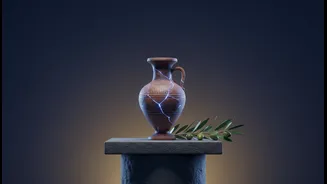
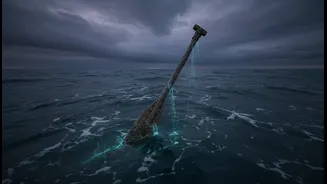
The original headline promise of a “darker take” is central to this AI film’s identity. The official synopsis frames the entire story as the “fractured memory of a drowning man in his final minutes.” This isn't the triumphant tale of a clever hero outwitting gods and monsters. Instead, it’s a grim psychological trial where, as the creators put it, “every monster wears his own handwriting.” The journey is reframed as a man reckoning with the brutal reality of his actions to get home. The focus shifts from external battles with Cyclopes and Sirens to an internal struggle with trauma, memory, and guilt, presenting an Odysseus stripped of his celebrated cleverness and forced to confront what he has become.
An Uncanny Voyage
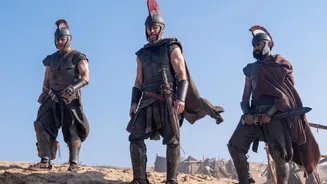
The visuals themselves are key to this darker interpretation. Using his own likeness as the basis for Odysseus, director Ash Koosha has guided AI systems to generate the entire film. While some imagery has been described as striking, the overall aesthetic carries the distinct, often unsettling quality of AI-generated art. Critics have pointed to the “uncanny sheen” and moments where the hero’s appearance subtly changes from one shot to the next, creating a disorienting, dreamlike effect that complements the theme of a fractured memory. This visual instability, whether intentional or a byproduct of the technology, moves the epic away from heroic fantasy and into the realm of a psychological thriller.
An Epic for the AI Age
This AI movie isn't an isolated event; it's part of a larger trend of reinterpreting classic texts through the lens of artificial intelligence. In another recent project, the company ElevenLabs released a full audiobook of 'The Odyssey' narrated by an AI-generated, but officially licensed, clone of actor Michael Caine’s voice. Meanwhile, a viral trend in India saw fans use AI image generators to imagine a version of the epic cast with Bollywood stars like Aamir Khan as Odysseus and Tabu as Penelope. These projects, from fully-fledged films to fan castings, show a widespread fascination with using this new technology to engage with ancient stories, proving the Odyssey's themes are universal enough to withstand even a digital reimagining.
Artistry vs. 'AI Slop'
The emergence of projects like 'Odysseus: The Fall' has been met with both curiosity and sharp criticism. The creators argue they are democratizing filmmaking, enabling ambitious stories to be told without nine-figure Hollywood budgets. However, the creative community remains deeply divided. Actors' unions have raised alarms about performers being replaced by “synthetics.” Even Christopher Nolan himself, director of the rival blockbuster, has dismissed most AI-generated content as “AI slop,” noting a public “disdain” for it, while acknowledging the technology could yield useful tools for filmmakers. This places the AI Odyssey at the heart of a crucial cultural debate: is this a bold new frontier for artistic expression or a soulless imitation bereft of human creativity?