






A Nation at a Standstill
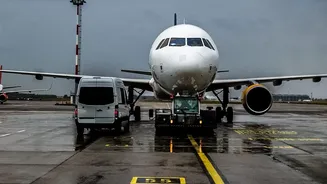
For more than four hours, the Federal Aviation Administration (FAA) halted all departing flights across the country. The decision, prompted by what officials called 'intermittent' communications and radar gaps, resulted in the longest nationwide ground
stop in recent memory, outside of the September 11 attacks. The disruption was immense, leading to thousands of flight cancellations and delays that rippled through the system for days. At the time the ground stop was issued, approximately 3,500 aircraft were already in the air; they were all guided to land safely, but the event exposed a critical vulnerability in the nation's air traffic control system.
The System Behind the Chaos
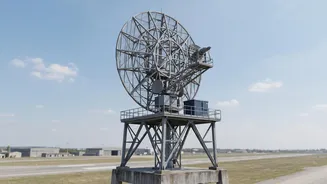
The failure originated within the FAA Telecommunications Infrastructure (FTI), a sprawling, private network that connects over 4,000 aviation facilities, radar sites, and remote radio antennas across the country. This network is the backbone for data that air traffic controllers use to communicate with pilots and monitor aircraft. An investigation found that the system became unstable after being flooded with an overwhelming amount of traffic—approximately 1,000 connection attempts every few seconds. This data surge overloaded older equipment within the network, affecting 17 of the FAA's 22 air traffic control centers and disrupting essential radar and communication feeds.
Explaining the Router Fault
Investigators have focused on a newly installed router at a radio communications site in El Dorado, Arkansas. This router was being installed by a contractor as part of a long-term effort to upgrade the FAA's aging infrastructure from old copper wires to modern fiber optics. Think of a network router like a major traffic dispatcher for data. In this case, the new device appeared to malfunction, sending a constant, overwhelming flood of connection requests across the network. This digital 'noise' was too much for legacy components of the system to handle, leading to what officials described as overloaded switches and routers providing inconsistent information. While the exact reason for the router's behavior is still under review, the incident highlights how a single point of failure in a complex system can trigger a cascading, nationwide collapse.
A System Showing Its Age
This event has renewed concerns about the age and fragility of the technology underpinning U.S. air travel. Officials, including the Transportation Secretary, have described the air traffic control system as 'incredibly old'. Much of the infrastructure still relies on technology from the 1980s, including copper phone lines. Government watchdogs and internal reviews have warned for years that the FAA's modernization efforts were not proceeding fast enough, risking disruptions and prolonging reliance on outdated systems prone to failure. This outage serves as a stark reminder that while parts of the system are being upgraded, the interaction between new technology and legacy hardware can create unforeseen risks.
The Path Forward
The FAA has confirmed that there is no evidence of a cyberattack or other malicious activity. In the immediate aftermath, technicians stabilized the system by isolating the problematic equipment, allowing flights to resume. The agency has also paused further installations of similar routers while the investigation continues with its contractor, L3Harris. The incident has prompted a reevaluation of maintenance procedures, particularly the timing of upgrades at remote facilities, which had previously been done during the day. Ultimately, the long-term solution lies in completing the multi-billion-dollar modernization of the entire FAA network, a project intended to replace the remaining legacy hardware with a more resilient, fiber-based system.