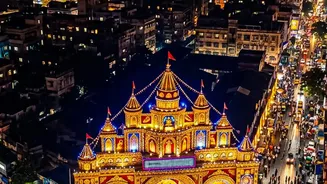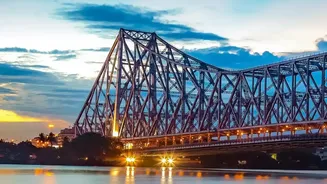





Kolkata has been known by many names, from the 'Cultural Capital of India' to the 'City of Joy'. But one of its most evocative, historical titles is the 'London of India'. Where did this grand comparison come from, and what does it mean today?
The Empire's Second City
The nickname
'London of India' is a direct echo of the city’s colonial past. For nearly 140 years, from 1772 until 1911, the city then known as Calcutta was the capital of British India. During this period, it grew into one of the most important urban centres in Asia and was often considered the second city of the British Empire, surpassed only by London itself. As the seat of power, it was the hub for bureaucracy, politics, law, and education under the Raj, making the comparison to London a natural one for administrators and travelers of the era.
An Architectural Mirror
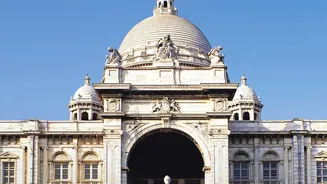
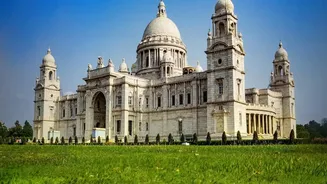
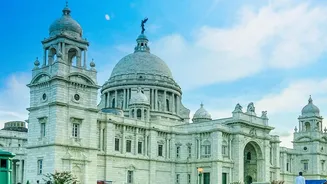
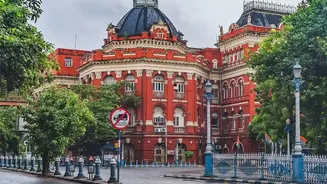
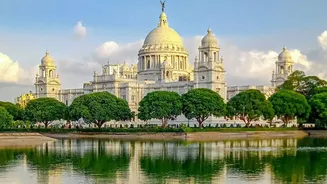
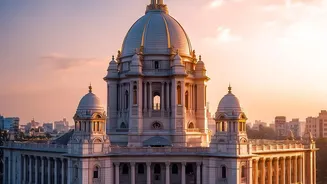
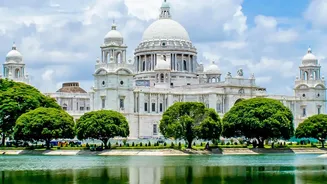
The comparison was not just political; it was etched into the very streets and buildings. The British reshaped Calcutta with grand European architectural styles, creating what was often called a 'city of palaces'. Structures like the magnificent Victoria Memorial, built with white marble in an Indo-Saracenic style blending British and Mughal elements, were designed to project imperial grandeur. St. Paul's Cathedral echoed the Gothic Revival style, while the General Post Office and the former Government House (now the Raj Bhavan) were imposing administrative buildings designed in neoclassical and baroque styles that mirrored the seats of power in London. This deliberate city planning created a visual landscape that was undeniably European, reinforcing its 'London of India' status.
A Fading Moniker and a New Identity
After the capital shifted to Delhi in 1911, Calcutta's political prominence waned, and with it, the use of its London-centric nickname. Post-independence, the city forged a new identity, moving away from its colonial shadow. Today, Kolkata is far more widely known as the 'City of Joy'. This name, popularised by Dominique Lapierre's 1985 novel and a subsequent film, reflects the city's celebrated cultural richness, intellectual fervour, and the resilient spirit of its people. While 'London of India' points to a specific historical chapter, 'City of Joy' speaks to its enduring, soulful character.
Nickname vs. Official Title
This brings us to a crucial distinction. A nickname, whether it's 'London of India', 'City of Joy', or 'Cultural Capital of India', is an informal moniker. It's a sobriquet earned through history, culture, or popular perception, often used by locals, outsiders, or tourism boards to create a sense of identity. It is not legally binding. An official title, however, is a formal designation. The city's official name was 'Calcutta'—an anglicised version of the local name—until 2001. In that year, the West Bengal government officially changed the name to 'Kolkata' to align with the Bengali pronunciation, a name that had been in continuous local use. So, while the city has many nicknames, its one official name is Kolkata.