





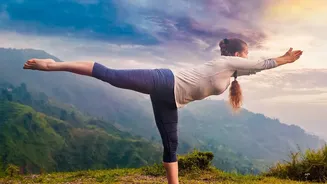
The Inner World: Yoga and the Power of Breath
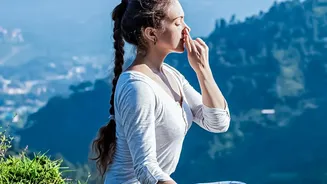
At its core, much of yoga’s anxiety-easing power comes from its emphasis on pranayama, or breath control. When you feel anxious, your sympathetic nervous system—your body’s “fight or flight” response—is in overdrive. This often leads to rapid, shallow
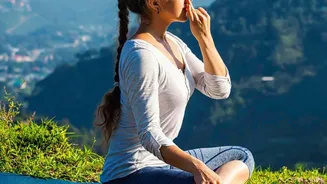
breathing. Breath-focused yoga acts as a direct countermeasure. By consciously slowing down and deepening the breath, you activate the parasympathetic nervous system, which is responsible for the “rest and digest” state. Practices like alternate nostril breathing or the gentle, audible Ujjayi breath used in many yoga classes have been shown in studies to enhance this calming response. This intentional breathing lowers stress hormones like cortisol, reduces your heart rate, and tells your brain it’s safe to relax. The physical postures (asanas) in yoga also play a key role by releasing muscle tension and drawing your attention away from racing thoughts and into the physical sensations of your body, grounding you in the present moment.
The Outer World: Nature’s Calming Influence
Stepping onto a scenic trail offers a different, yet equally powerful, form of anxiety relief. This concept is supported by the “biophilia hypothesis,” which suggests that humans have an innate tendency to connect with nature. Spending time in natural environments has been scientifically shown to lower cortisol levels, reduce blood pressure, and improve mood. This is often referred to as “green exercise.” Research indicates that physical activity in a natural setting can be more effective for mental health than the same exercise performed indoors. The multi-sensory experience of a hike—the smell of the earth, the sound of wind in the trees, the visual complexity of a forest—provides a form of “soft fascination.” This gently captures your attention without being demanding, allowing your mind to wander and recover from mental fatigue. Studies have even found that walking in nature can reduce activity in the part of the brain linked to rumination, or the cycle of negative self-focused thoughts that often accompanies anxiety.
A Head-to-Head Comparison
So, which is better? The answer isn’t straightforward, as they work in different ways. Breath-focused yoga is an internal practice. It gives you a portable tool you can use anywhere—on a crowded bus, at your desk, or in bed—to directly regulate your nervous system. It’s about mastering an internal skill. A scenic hike is an external experience. It relies on the environment to work its magic, leveraging our deep-seated connection to the natural world to soothe the mind. The benefits of a hike can feel more immediate and awe-inspiring, offering a distinct break from daily stressors. Yoga’s effects, while also immediate, build over time with consistent practice. Accessibility also differs. Yoga can be done at home with minimal space, while a scenic hike requires access to a safe, natural environment, which isn't available to everyone. However, studies show that even spending time in urban parks provides significant mental health benefits.
Which Path Should You Choose?
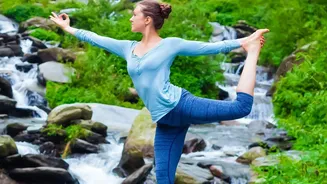
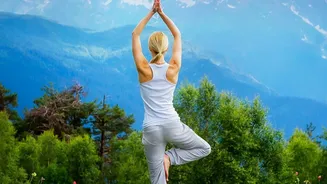
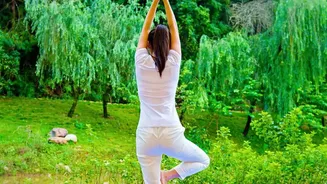
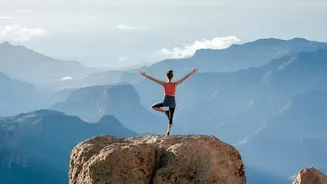
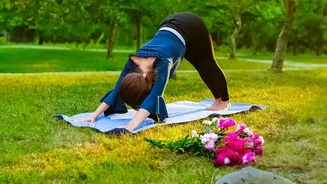
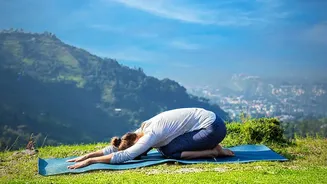
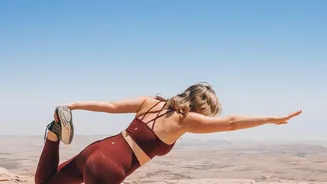
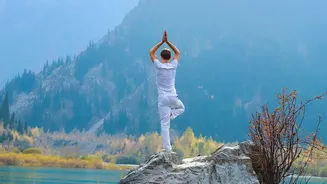
Choosing between the two depends on your personality, circumstances, and what you need in the moment. If you're looking to build a long-term skill for managing anxiety from the inside out, a consistent yoga and breathwork practice is an excellent choice. It empowers you with a sense of control over your body's stress response. If you feel overwhelmed, stuck in a cycle of negative thoughts, or in need of a significant mood boost and a change of scenery, a hike might be the perfect antidote. The good news is that you don't have to choose. The two practices are highly complementary. You can even combine them by practicing yoga or mindful breathing exercises outdoors, reaping the benefits of both approaches simultaneously. Many find that a hike clears the mind, making it easier to then settle into a focused, meditative state.