






An Ambitious Economic Agenda
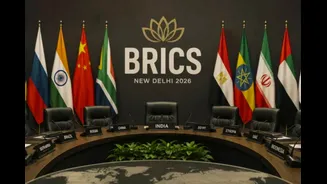
Hosting the 18th BRICS Summit on September 12-13, India has framed the year's theme as “Building for Resilience, Innovation, Cooperation and Sustainability”. This isn't just diplomatic jargon. It represents a focused strategy to create a more integrated
economic ecosystem among the now eleven member nations. After two decades of evolution from a Goldman Sachs acronym to a major geopolitical platform, BRICS is moving beyond broad statements toward practical outcomes. The core ambition is to leverage the bloc's considerable economic weight—accounting for nearly 40% of global GDP in purchasing power parity terms—to build a more multipolar world order. This year’s summit aims to translate that economic size into tangible connections.
Deepening Trade and Financial Ties
A central priority is boosting intra-BRICS trade, which, despite a 13-fold increase since 2003 to over $1.17 trillion in 2024, still represents only about 5% of global trade. To address this, the summit is focusing on practical mechanisms. A key discussion point is facilitating trade settlement in national currencies and linking the members' fast payment systems, like India's UPI, Brazil's Pix, and China's CIPS. This move is seen as a more achievable step than a common currency, aimed at reducing transaction costs and dependence on the US dollar. India has been a vocal supporter of these initiatives, which align with its goal of internationalizing the rupee and strengthening the WTO-based multilateral trading system.
Forging Resilient Supply Chains
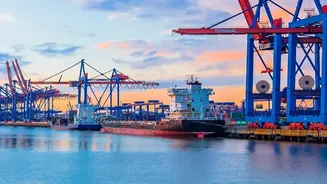
Recent global disruptions from pandemics and geopolitical conflicts have exposed the fragility of existing supply chains. In response, BRICS is set to adopt a Logistics Supply-Chain Cooperation Framework. The goal isn't to create an exclusionary bloc, but rather to build resilient and diversified value chains that can withstand shocks. The framework is voluntary and focuses on sharing knowledge, improving connectivity, and promoting localized manufacturing ecosystems. This initiative is part of the broader Strategy for BRICS Economic Partnership 2030, which includes the Global Value Chains Action Plan 2026-2030, aimed at making supply networks more efficient and inclusive.
The Technology and Innovation Front
Technology cooperation is another critical pillar of the 2026 summit agenda. The innovation part of India's theme covers collaboration in artificial intelligence, digital public infrastructure, and financial technology (fintech). Member nations are looking to leverage combined expertise, where one country's manufacturing strength can be paired with another's software prowess. Concrete proposals include the BRICS Incubator Network to connect startups and a proposed Startup Innovation Fund to finance early-stage companies. There is also a significant push for joint research and development in areas like solar energy, biotechnology, and high-performance computing, as outlined in the BRICS STI Framework Programme. This cooperation is seen as a way to enhance technological sovereignty and reduce reliance on external players.
India’s Strategic Balancing Act
For India, hosting the summit is a high-stakes balancing act. New Delhi is championing practical economic cooperation while carefully navigating the bloc's internal political divisions and its own strategic partnerships with Western countries. India's approach is to use BRICS as a platform to amplify the voice of the Global South and push for reforms in global governance institutions like the UN, IMF, and World Bank. By focusing on a development-centric agenda—improving market access for small businesses, strengthening trade finance, and building sustainable infrastructure—India aims to steer BRICS away from becoming a purely anti-Western bloc. The summit is a crucial test of India's ability to forge consensus and drive its vision of a cooperative, rather than confrontational, multipolar world.