








What is FSSAI Proposing?
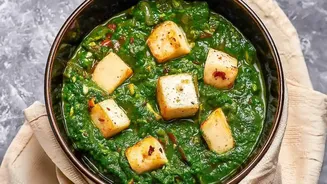
The Food Safety and Standards Authority of India (FSSAI) has released draft regulations that aim to restrict the use of the term 'paneer' exclusively for products made from milk. According to a notification dated September 22, 2026, products made from non-milk
ingredients, often called 'dairy analogues', would be barred from using the word 'paneer' on their labels or in marketing. This means that items currently sold as 'soya paneer' or 'vegan paneer' would need to be renamed. The proposal states that even businesses already licensed to produce 'analogue in a dairy context' products must drop the term 'paneer' from their branding. The draft is currently open for public comment for 60 days before any final decision is made.
Why is This Happening Now?
This move is driven by concerns that consumers are being misled. FSSAI and dairy industry bodies argue that calling a non-dairy product 'paneer' can cause confusion about its composition and nutritional value. Traditional paneer is legally defined as a product made by coagulating milk, but dairy analogues can be made from vegetable fats, oils, or plant proteins. The scrutiny isn't just happening at the national level; several states, including Maharashtra, Gujarat, and Karnataka, have already taken action against the sale and labelling of analogue paneer. The FSSAI's proposal aims to create a uniform, nationwide rule to ensure consumers can make informed choices based on clear and accurate labels.
The Rise of Dairy Alternatives
The debate over labelling comes as India's plant-based food market is experiencing significant growth. Driven by factors like lactose intolerance, health consciousness, veganism, and environmental concerns, more consumers are seeking out dairy-free options. Products made from soy, almonds, cashews, and coconuts are becoming increasingly mainstream. While tofu, made from soybeans, has its own distinct identity, many newer products are designed to closely mimic the taste and texture of dairy paneer. The plant-based dairy market in India, valued at USD 32 million in 2026, is projected to grow substantially, making the issue of product naming more pressing than ever.
A Clash of Industries
The proposed regulation has highlighted the tension between the established dairy industry and the emerging plant-based sector. Dairy federations support the move, arguing it protects the integrity of traditional products like paneer and prevents consumer deception by 'cheap substitutes'. They contend that dairy analogues often lack the nutritional profile of real milk products. On the other hand, producers of plant-based alternatives argue that terms like 'soya paneer' are well-understood by consumers, who choose these products specifically because they are not made from dairy. They believe the existing rules around ingredient disclosure are sufficient to prevent confusion and that stricter naming conventions could stifle innovation in a growing market.
What This Means For You
If the FSSAI's draft regulations are finalized, you can expect to see clearer distinctions on supermarket shelves and restaurant menus. A product not made from milk could not be called 'paneer'. Instead, you might see names like 'soya cubes' or 'plant-based blocks'. The rules would also require restaurants and caterers to explicitly state when they are using a dairy analogue in a dish, so a 'Shahi Paneer' would have to be made with actual dairy paneer. Ultimately, the goal is to provide greater transparency, allowing you to know exactly what you are buying and eating, whether you prefer traditional dairy or a plant-based alternative.