






The Myth of Individual Choice
Public health campaigns in India, from the government's Poshan Abhiyaan to social media movements, have traditionally focused on awareness and behaviour change. The underlying assumption is that if people are educated about nutrition, they will make better
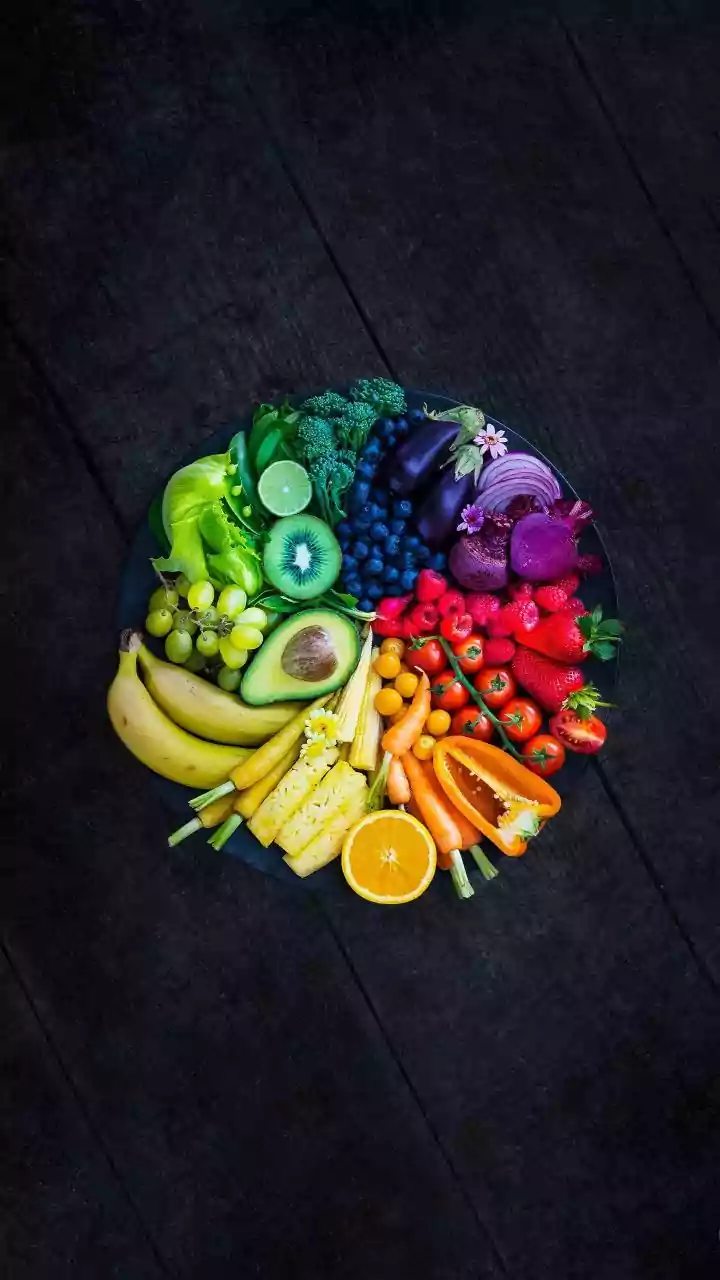
choices. Initiatives like 'Eat Right India' aim to build awareness around healthy eating and food safety. While noble, this approach places the burden of health squarely on the individual, suggesting that poor diets are a result of poor decisions or a lack of willpower. It overlooks the economic environment in which these choices are made. For millions, the daily decision is not between a salad and a samosa, but between an affordable, filling meal and a more expensive, nutritious one.
A Rupee-for-Rupee Reality Check
The simple truth is that nutritious food costs more. A diet that meets all recommended nutrient requirements can be more than twice as expensive as a diet that only meets energy needs. Studies show that affordability is a major barrier to improving diets in India. While government subsidy programs like the Public Distribution System (PDS) ensure access to staple grains like rice and wheat, they often fail to address the need for a diverse plate. As a result, many households consume enough calories to feel full, but lack essential nutrients found in fruits, vegetables, pulses, and dairy, which are often considered luxury items. When household budgets are tight, these are the first items to be cut.
The Systemic Squeeze on Healthy Eating
The affordability gap isn't an accident; it's a feature of our food system. Agricultural policies have long favoured the production of calorie-dense staple crops over more diverse, nutrient-rich foods like millets, pulses, and vegetables. This focus, combined with inefficiencies in supply chains and a lack of cold storage, makes perishable healthy foods more expensive and less accessible, especially in rural areas. Consequently, Indian diets are among the most carbohydrate-heavy in the world. This leads to a paradoxical nutrition challenge: a simultaneous crisis of undernutrition (stunting and micronutrient deficiencies) and a rise in lifestyle diseases like diabetes and hypertension linked to poor-quality, processed diets.
Why Price Data is the Missing Ingredient
Shifting the conversation from behavioural change to economic access would be transformative. Tracking and publicising the 'Cost of a Recommended Diet' across different states would provide a clear, undeniable metric of the challenge. It would force policymakers to look beyond awareness campaigns and toward concrete solutions. Armed with price data, governments could design more effective interventions, such as diversifying the PDS basket to include millets and pulses, offering targeted subsidies for fruits and vegetables, or investing in supply chains to reduce the cost of perishable goods. This data-driven approach moves the debate from blaming the consumer to fixing the system, acknowledging that you cannot expect people to buy what they cannot afford.