






A New Gateway in the Himalayas
Ladakh currently has only one commercial airport, in Leh, which serves as the primary entry point for almost all tourists. A new plan aims to change that by opening up the Thoise airbase for passenger flights, with a target of commencing operations by December
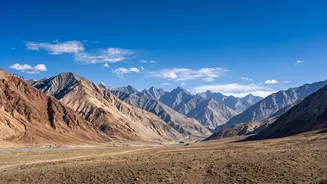
2026. Located in the picturesque Nubra Valley, Thoise is a high-altitude military airfield used by the Indian Air Force as a critical logistics hub for the Siachen Glacier area. Following a high-level meeting between the Ministry of Defence, the Indian Air Force (IAF), the Airports Authority of India (AAI), and the Ladakh administration, the plan has gained significant momentum. The IAF has approved the allotment of five acres of land for a new civilian terminal, signaling a firm commitment to the project.
The Nubra Valley Advantage
For travellers, the biggest advantage of flights to Thoise is direct access to the Nubra Valley. Currently, visitors must fly to Leh and then undertake a grueling multi-hour road journey over the treacherous Khardung La pass, one of the world's highest motorable roads. This journey, while scenic, is time-consuming and can be challenging due to weather and altitude. Direct flights to Thoise would bypass this overland route, saving precious time and making the region more accessible. This would not only benefit tourists but also unlock easier access to other remote border destinations like Turtuk and the Siachen Base Camp area, which currently require long road trips from Leh. The move is expected to significantly ease pressure on Leh's airport and road infrastructure, especially during the peak tourist season.
Boosting the Local Economy
Beyond tourism, the opening of Thoise is a strategic move to boost regional connectivity and the local economy. For residents of the remote Nubra region, commercial flights will provide a vital lifeline, especially during harsh winters when heavy snowfall often cuts off road access for months. This will ensure better access to medical care, supplies, and travel for personal emergencies. Furthermore, an increase in tourist footfall directly translates to economic growth. Hotels, guesthouses, taxi services, tour operators, and local artisans in the Nubra Valley and surrounding areas stand to benefit from the new influx of visitors, supporting livelihoods and encouraging inclusive development in the strategically important border region.
The Road Ahead: Hurdles and Timelines
While the target for the first flights is December 2026, several steps must be completed first. Runway recarpeting work is currently underway and is expected to be finished by November 2026. To fast-track the opening, the initial plan is to refurbish the existing chartered-flight terminal for passenger use while a new, permanent terminal is constructed on the newly allotted land. The AAI will first need to outline the infrastructure requirements for the temporary terminal, after which the Public Works Department will carry out the renovations. These include establishing passenger waiting areas, check-in counters, security systems, and baggage handling services. Officials have stressed that the December 2026 date is a target, contingent on the timely completion of all infrastructure, regulatory approvals, and operational formalities.