



The Grand Pre-Summit Spruce-Up
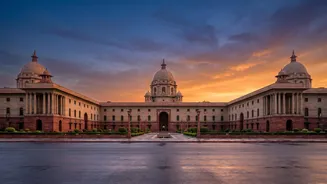
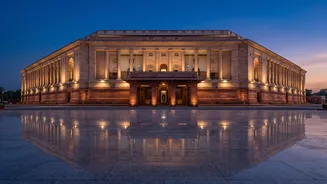
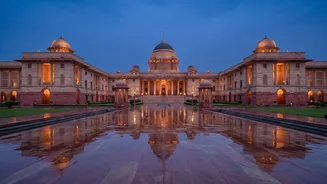
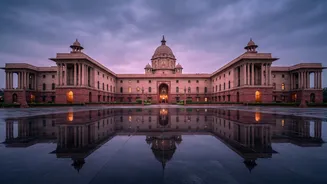
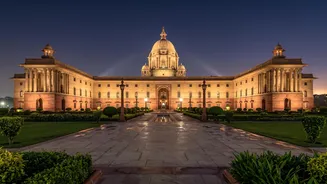
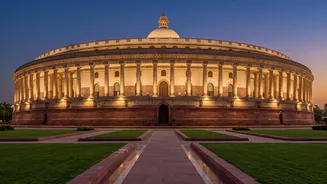
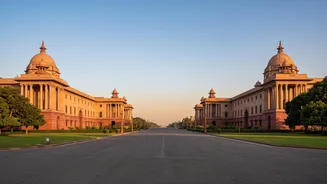
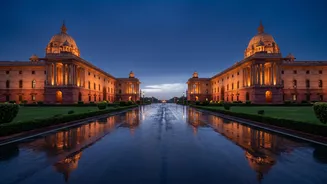
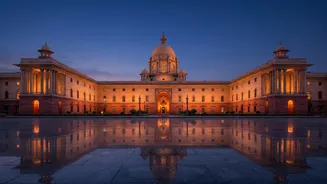
As India gears up to host the 18th BRICS Summit in New Delhi, the city is buzzing with preparatory activity. The New Delhi Municipal Council (NDMC) has launched a comprehensive plan focusing on sanitation, beautification, and infrastructure. Forty-one
major roads have been identified for an overhaul, with special attention on floral decorations, landscaping, and ensuring a 'clean and green' facade for international delegates. Central to this effort is the repair and upkeep of footpaths, a task that has been prioritised to present a world-class image. Nodal officers have been assigned to oversee daily inspections, ensuring that the designated corridors meet international standards ahead of the summit scheduled for September.
A Tale of Two Cities
This flurry of activity, however, paints a picture of two different cities. One is the carefully curated, temporarily pristine version for VIPs, and the other is the one Delhi's residents navigate daily. The focus on summit routes and key areas starkly contrasts with the general state of pedestrian infrastructure elsewhere. Recent reports and citizen accounts paint a grim picture of footpaths across the capital, describing them as encroached upon by vendors and illegal parking, broken, uneven, or simply non-existent. In many neighbourhoods, walking safely is a daily challenge, forcing pedestrians onto dangerous, busy roads. This summit-driven facelift, while welcome on the surface, highlights a governance model that often prioritises international perception over the year-round lived reality of its own citizens.
The Perennial Problem for Pedestrians
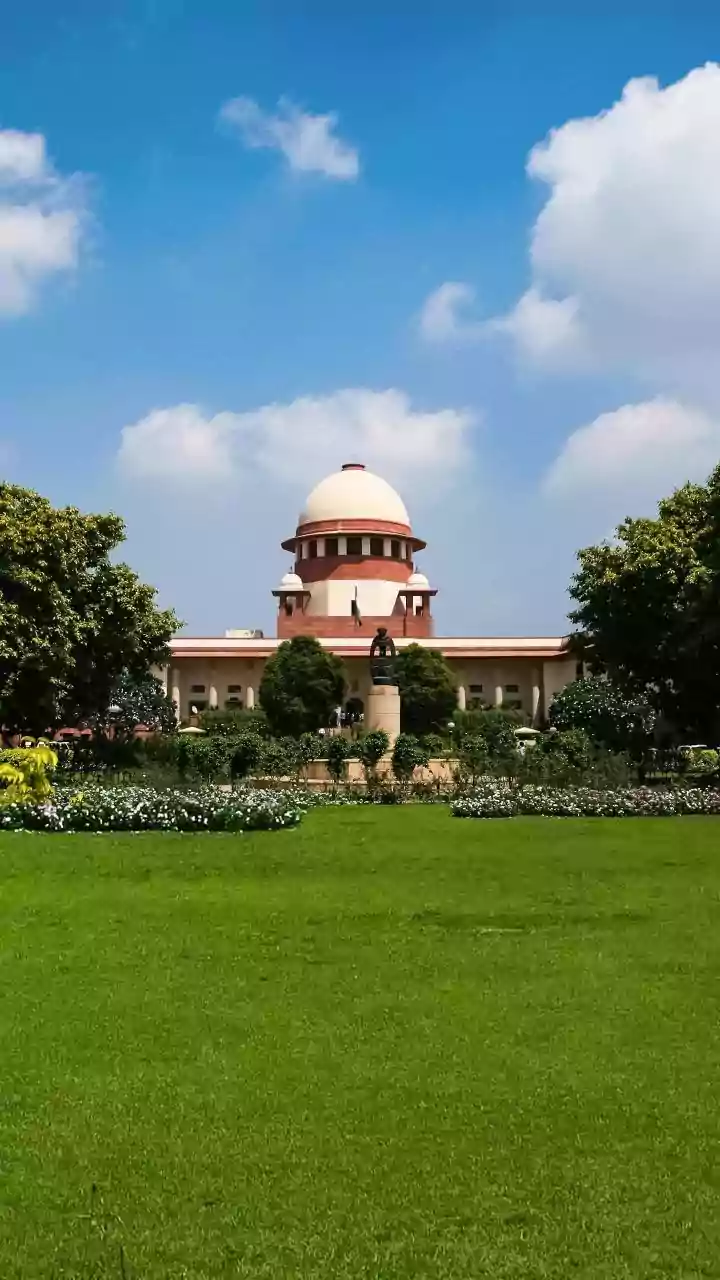
The poor condition of Delhi's footpaths is not a new issue. For years, residents and urban planners have pointed out the systemic neglect. A study by IIT Delhi found that nearly 44% of the city's roads lack footpaths altogether. Where they do exist, they are often rendered unusable by parked vehicles, shop extensions, and general disrepair, a situation documented from residential areas like Vasant Vihar to commercial hubs. Just a few months ago, the Supreme Court declared the right to walk on safe, demarcated footpaths as a fundamental right. Yet, the reality on the ground remains largely unchanged, with authorities often failing to enforce regulations and maintain these crucial public spaces. The BRICS summit preparations, therefore, feel less like a systemic solution and more like a temporary, cosmetic fix.
Our 'Event-Driven' Urbanism
Delhi's current beautification drive is a classic example of 'event-driven urbanism', a phenomenon where major international events like the BRICS Summit or the 2023 G20 Summit act as catalysts for urban development. On the one hand, these events can break through bureaucratic inertia and secure funding for much-needed infrastructure upgrades. On the other hand, this approach is often criticised for its short-termism and inequity. The G20 preparations, for instance, involved large-scale beautification but also led to the demolition of slums and the displacement of thousands of the city's poorest residents, all in the name of presenting a sanitised image. This model raises critical questions: are we building better cities for everyone, or just creating temporary, sanitised corridors for a global audience?
What Happens After the Delegates Leave?
For many Delhiites, the sudden appearance of smooth pavements and clean roads is met with a degree of cynicism. It is a welcome, if fleeting, improvement. The real question is what will happen after the motorcades have departed and the international attention has moved on. Will the newly repaired footpaths be maintained? Will the principles of pedestrian-first design be applied to the rest of the city? The experience following past events suggests that without a fundamental shift in priorities, these spaces will likely revert to their previous state of neglect. The BRICS summit shines a spotlight not just on global politics, but on the urgent need for a more sustainable and equitable approach to building and maintaining our cities for the people who live in them every day.