




An Unprecedented Calamity
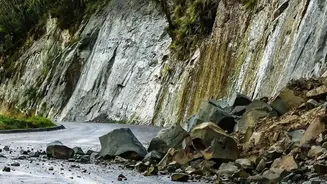
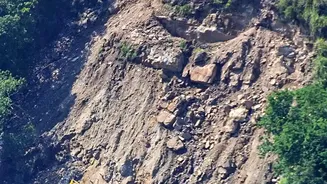
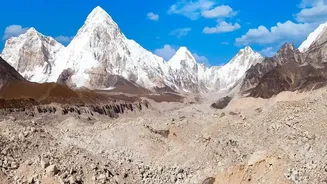
In August 2026, a massive section of rock and ice, measuring roughly 200,000 square metres, broke away from Langtang Lirung mountain on the border of Nepal and Tibet. The collapse unleashed a torrent of water, ice, and debris that tore through the Trishuli
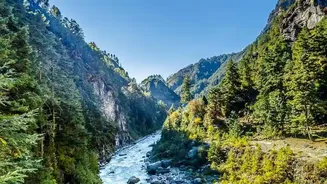
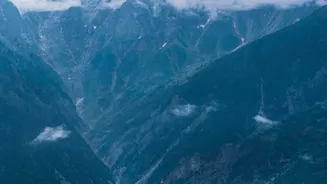
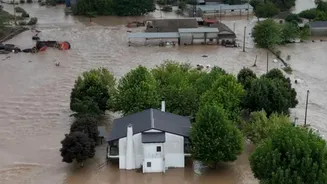
River corridor at speeds exceeding 170 kilometres per hour. The flash flood swept away entire communities, bridges, and critical infrastructure, leaving a trail of devastation. Initial reports confirmed over 1,300 deaths, with more than 5,000 people remaining missing, marking one of the region's deadliest recent disasters. The event happened with little to no warning, catching downstream populations completely by surprise and highlighting their extreme vulnerability.
The Climate Change Fingerprint
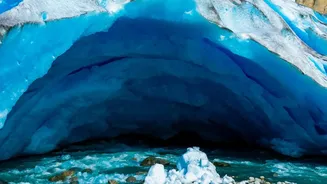
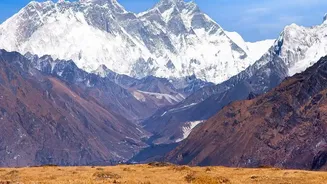
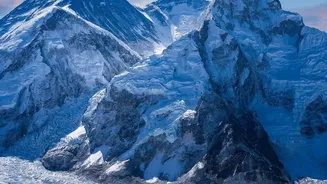
A rapid-response study conducted by the World Weather Attribution group concluded that human-caused global warming was a likely contributing factor. Researchers found that the disaster was not a typical weather event but the result of long-term changes in the mountain environment. The analysis pointed to two critical processes intensified by climate change: the thinning of glaciers and the thawing of permafrost. The Himalayan region, often called the 'Third Pole', is warming significantly faster than the global average. This accelerated warming is causing glaciers to lose mass at an alarming rate—thinning by about half a metre each year since 2000—and melting the frozen ground that acts like cement for steep mountain rock.
How a Mountain Loses Its Grip
For thousands of years, permafrost—permanently frozen soil and rock—has held the high-altitude slopes of the Himalayas together. As global temperatures rise, this natural glue is weakening. Thawing permafrost allows meltwater to seep deeper into rock fractures, which can destabilize massive sections of mountainside. Simultaneously, as glaciers shrink, they stop providing physical support to the adjoining rock walls they once buttressed. The study noted that the months leading up to the collapse, July and August 2026, were the warmest ever recorded locally. This intense warmth likely accelerated both permafrost thaw and glacier melt, creating the perfect conditions for the catastrophic failure of the mountainside.
A Warning for the Roof of the World
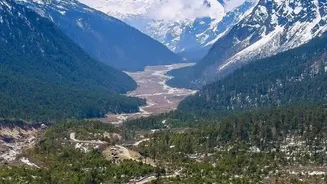
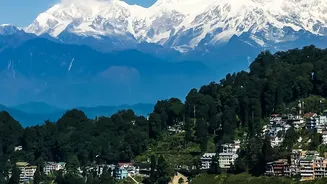
Scientists warn that this disaster is not an isolated incident but a grim preview of what's to come for the entire Hindu Kush Himalaya region. This vast mountain range, which provides water to nearly two billion people across Asia, is home to thousands of glaciers and countless communities living in downstream valleys. As warming continues, the risk of similar collapses, landslides, and glacial lake outburst floods (GLOFs) is rising dramatically. The incident in Nepal serves as an urgent reminder that climate change is actively altering the stability of the mountains themselves. For countries like India, which shares the Himalayan ecosystem, the implications for water security, infrastructure safety, and border communities are profound and demand immediate attention.