



Beyond the Telescope: A New Travel Ethos
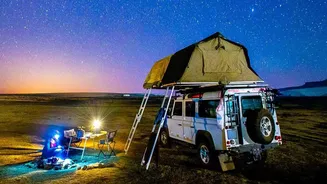
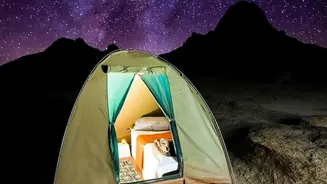
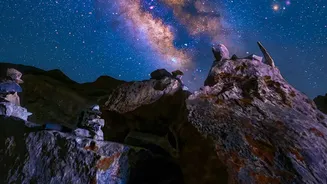
Dark-sky tourism, or astrotourism, is more than just booking a trip to a place with a great view of the Milky Way. It is a conscious decision to travel to destinations that are actively working to preserve the natural darkness of the night sky. This form
of ecotourism encourages travellers to appreciate and support efforts to minimise light pollution. Unlike many forms of travel that require heavy infrastructure, dark-sky tourism thrives in remote, often rural, areas, providing economic benefits without disrupting the landscape. It creates sustainable opportunities for local communities through hospitality, guided tours, and other services, often in places with few other economic drivers.
The Pervasive Threat of Light Pollution
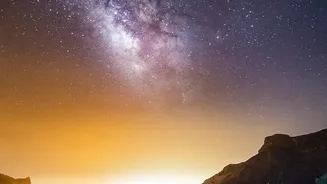
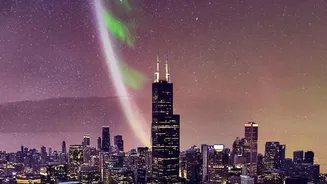
For most of human history, the night was truly dark. Today, the glow of artificial light from our cities and towns washes out the stars for a vast majority of the world's population. But light pollution is more than an aesthetic loss for stargazers. The International Dark-Sky Association defines it as any adverse effect of artificial light, and its impact on the natural world is profound and pervasive. This unwanted light disrupts ecosystems that have evolved over millennia with a natural cycle of day and night. It represents wasted energy, contributes to climate change, and fundamentally alters the habitats of countless species.
How Natural Darkness Protects Wildlife
A dark night is essential for the health of many ecosystems. Artificial light can disorient nocturnal animals, affecting their ability to navigate, hunt, and breed. Migratory birds, which often travel at night using the moon and stars for guidance, can be fatally drawn off course by city lights. Sea turtle hatchlings, programmed to follow the bright horizon of the ocean, instead crawl inland toward illuminated buildings. Even amphibians like frogs, whose croaking is a critical part of their breeding rituals, can fall silent under artificial glare, leading to population decline. Protecting the dark is a direct act of wildlife conservation, preserving the delicate rhythms of the natural world.
India's Celestial Sanctuary in Ladakh
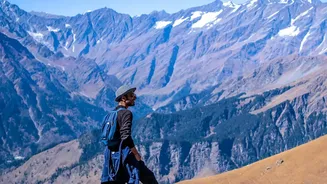
India is home to one of the most promising dark-sky locations in the world. The Hanle Dark Sky Reserve, situated in a remote part of Ladakh's Changthang Wildlife Sanctuary, became the country's first officially designated reserve in 2022. At an altitude of over 14,000 feet, the area offers some of the clearest and darkest skies on the planet, making it a prime location for the Indian Astronomical Observatory. Through an agreement between local authorities and scientific institutions, the community has embraced practices to limit light pollution, such as using shielded lights and thick curtains. This initiative not only protects a world-class site for astronomy but also creates a unique model for sustainable astro-tourism, empowering the local community by training residents as 'astronomy ambassadors' for visitors.
Becoming a Steward of the Night
The principles of dark-sky tourism are accessible to everyone. The core idea is responsible lighting: using light only when and where it is needed, keeping it at a low level, directing it downward, and using warmer colours. When visiting a dark-sky area, tourists are encouraged to be mindful of their impact. This means using red-light torches that don't disrupt night vision, sticking to marked paths, and respecting regulations designed to protect the nocturnal environment. By choosing to support destinations that value their dark skies, travellers send a powerful economic message that preserving natural darkness is a valuable asset worth protecting. This mindful approach reframes tourism from simple consumption to active stewardship.