



The Science of Betalains
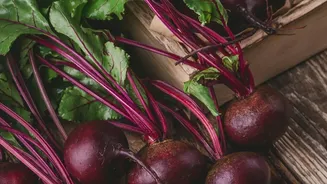
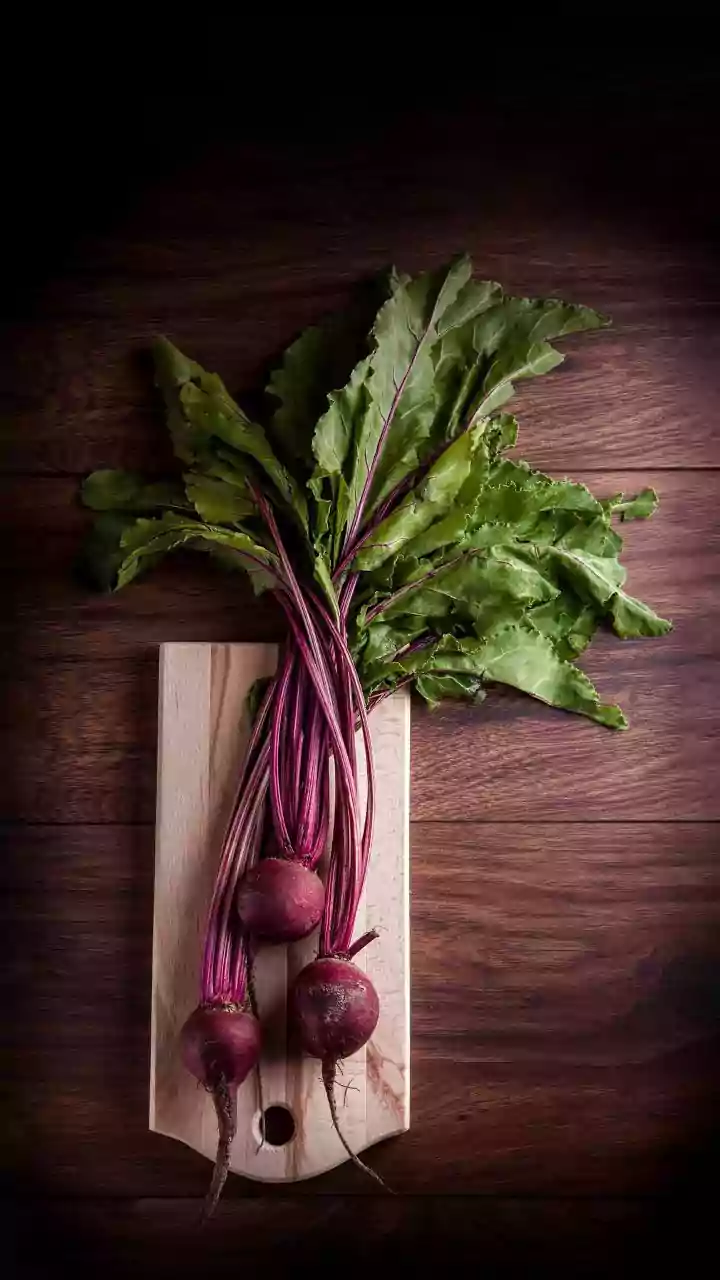
The secret to beetroot's colouring power lies in a class of vibrant, water-soluble pigments called betalains. These are responsible for the deep red and violet hues found in beets and a few other plants like Swiss chard and amaranth. Unlike anthocyanins,
the pigments in most berries, betalains are structurally unique and are known for their potent colour. The primary pigment, betacyanin, is so effective that it's used as a natural food colouring agent. When applied to hair, these water-soluble pigments work as a stain, coating the outer layer of the hair shaft to impart a temporary tint without chemically altering your hair's structure, offering a gentler alternative to permanent dyes.
Your Step-by-Step Guide to a Beetroot Tint
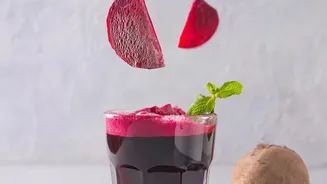
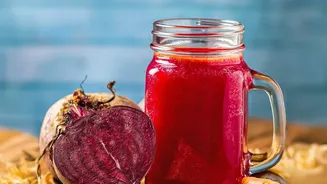
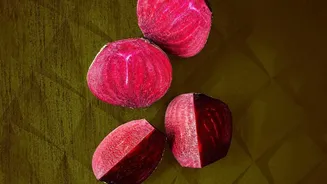
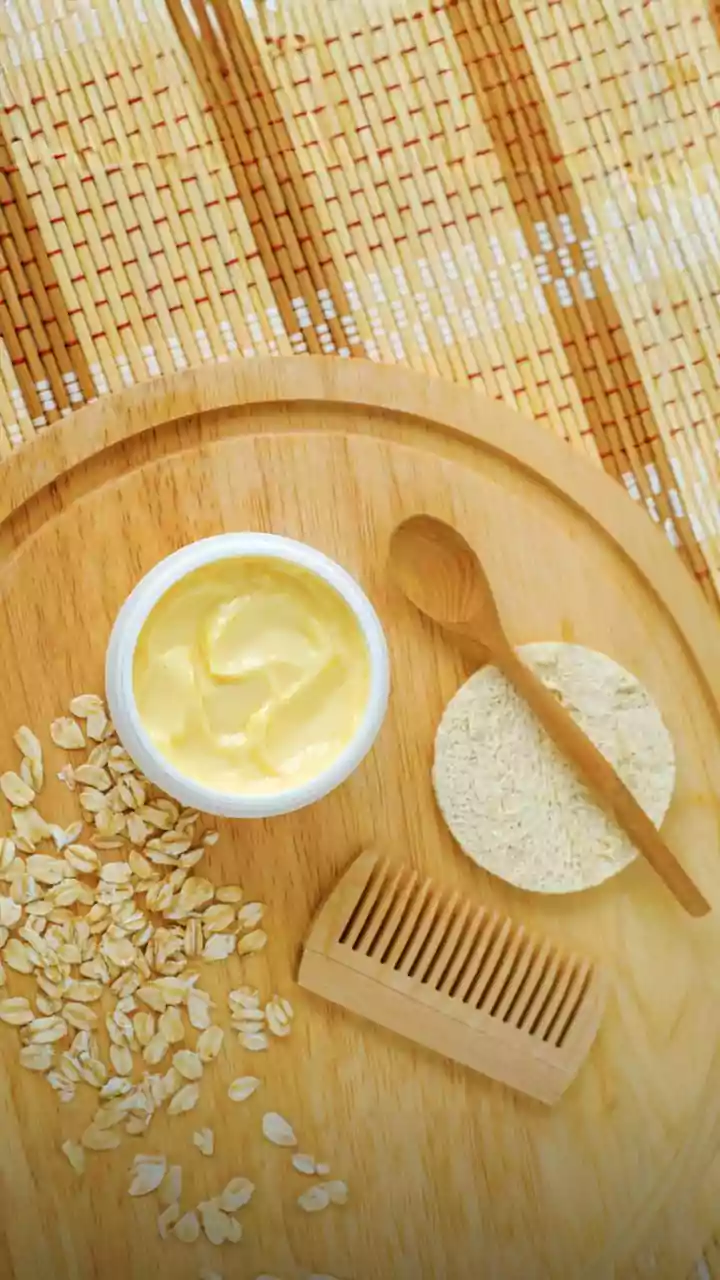
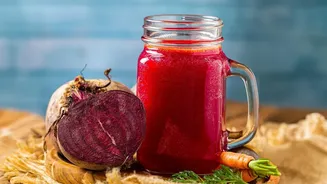
Ready to try it yourself? Creating a beetroot hair tint at home is straightforward. You will need one or two fresh beetroots, a blender or juicer, and a carrier oil like coconut or olive oil. First, protect your hands with gloves and your hairline with petroleum jelly to avoid staining your skin. Juice or blend the beetroots to create a smooth liquid, straining out any pulp. Mix the beetroot juice with a few tablespoons of your chosen carrier oil; the oil helps with even application and adds moisture. Apply the mixture thoroughly to clean, damp hair, starting from the roots and working your way to the tips. Once your hair is fully saturated, cover it with a shower cap and let the tint develop for at least one to two hours—or longer for a deeper shade. Finally, rinse your hair with cool water until the water runs clear.
What to Expect from Your Natural Tint
Managing expectations is key when using natural dyes. A beetroot tint is temporary and its vibrancy depends heavily on your starting hair colour. On blonde or light brown hair, the result is often a noticeable pink or reddish hue. On darker hair, the effect is more subtle, usually appearing as a reddish sheen that catches the light. The colour is a stain that coats the hair, so it will gradually fade with each wash. Typically, a beetroot tint lasts for a few shampoos, anywhere from a few days to a week or two. To make the colour last longer, try to wash your hair less frequently, use cool water, and avoid harsh, sulfate-based shampoos.
More Than Just Color
While the red tint is the main attraction, applying beetroot to your hair may offer other small benefits. Beetroots are packed with vitamins and minerals like iron, potassium, and vitamin C. When applied topically, these nutrients can help nourish the scalp. Some proponents suggest that improved blood circulation from a scalp massage with the juice can support healthier hair follicles. The anti-inflammatory properties of beetroot may also help soothe an irritated or itchy scalp. While it's not a magic bullet for hair growth, using beetroot is a way to experiment with colour while avoiding the harsh chemicals found in many commercial dyes, making it a win for hair health.