



Prepare Your Workspace First
Before you even think about melting wax, prepare your environment. Choose a stable, heat-resistant surface that is clear of clutter. It's crucial to keep flammable materials like curtains, paper towels, and loose fabrics far away from your work area.
Ensure the room has good ventilation by opening a window or using a fan to disperse fumes, especially when working with fragrances. Keep children and pets out of the room to prevent accidental spills or burns. Having a dedicated, clean space minimizes risks before the most dangerous part of the process begins.
Use the Right Equipment
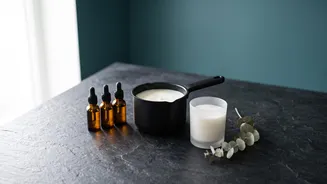
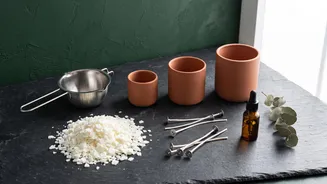
The tools you use are your first line of defense against accidents. Never melt wax directly over a heat source like a stove burner, as this can cause it to heat unevenly and potentially ignite. The safest method is using a double boiler. This involves placing a pouring pot with your wax inside a larger pot filled with a few inches of simmering water. This setup provides gentle, indirect heat. A thermometer is another non-negotiable tool. Monitoring the wax temperature is critical for both safety and for achieving a quality candle. You should also have safety goggles, an apron, and heat-resistant gloves or potholders ready.
Understand Wax Flash Points
Every type of wax and fragrance oil has a 'flash point'—the lowest temperature at which its vapors can ignite if exposed to a spark or flame. For example, paraffin wax can have a flash point around 390°F (199°C), while soy wax is higher at around 490°F (254°C). While you typically add fragrance oils at much lower temperatures (around 185°F or 85°C), it's vital to never leave melting wax unattended. An unchecked pot on direct heat can reach its flash point in minutes. Always use a thermometer and never let wax temperature exceed 250°F (121°C). Treat hot wax with the same caution you would treat hot cooking oil.
Safe Melting and Pouring Techniques
When melting wax in your double boiler, keep the heat on a low to medium simmer. Never walk away from it. Once the wax reaches the target temperature specified by your supplier (often around 185°F or 85°C for adding fragrance), carefully remove the pouring pot from the heat. After mixing in your fragrance, let the wax cool to the recommended pouring temperature before filling your containers. Pouring slowly and steadily minimizes the risk of splashing. Wearing your safety goggles and gloves is especially important during this step.
In Case of a Spill or Burn
Accidents can happen even with the best precautions. If you spill hot wax on your skin, the immediate priority is to cool the area. Run cool—not icy—water over the burn for 10 to 20 minutes. Do not try to pull off the wax immediately if it's stuck; cooling it first will help it harden and detach more easily. If a piece of wax remains embedded, you can apply petroleum jelly to soften it for gentle removal. For any minor burn, applying pure aloe vera gel can help soothe the skin and promote healing. However, if the burn is large, deep, or shows signs of infection like pus or spreading redness, seek medical attention immediately.
Proper Cleanup and Disposal
Once your candles are poured and curing, the cleanup process also requires care. Never pour excess melted wax down the sink or drain. It will solidify and cause severe clogs. Instead, let the wax cool completely in your pouring pot, then you can either pop it out or use a paper towel to wipe out the liquid residue. Hardened wax can be disposed of in the trash. Store all your candle-making supplies, especially flammable fragrance oils, in a cool, safe area away from direct heat or flames.