
Why Texture Is Everything
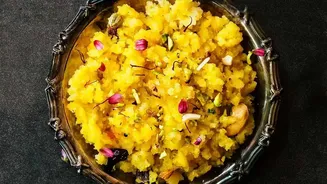
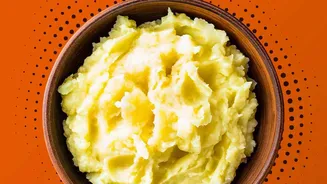
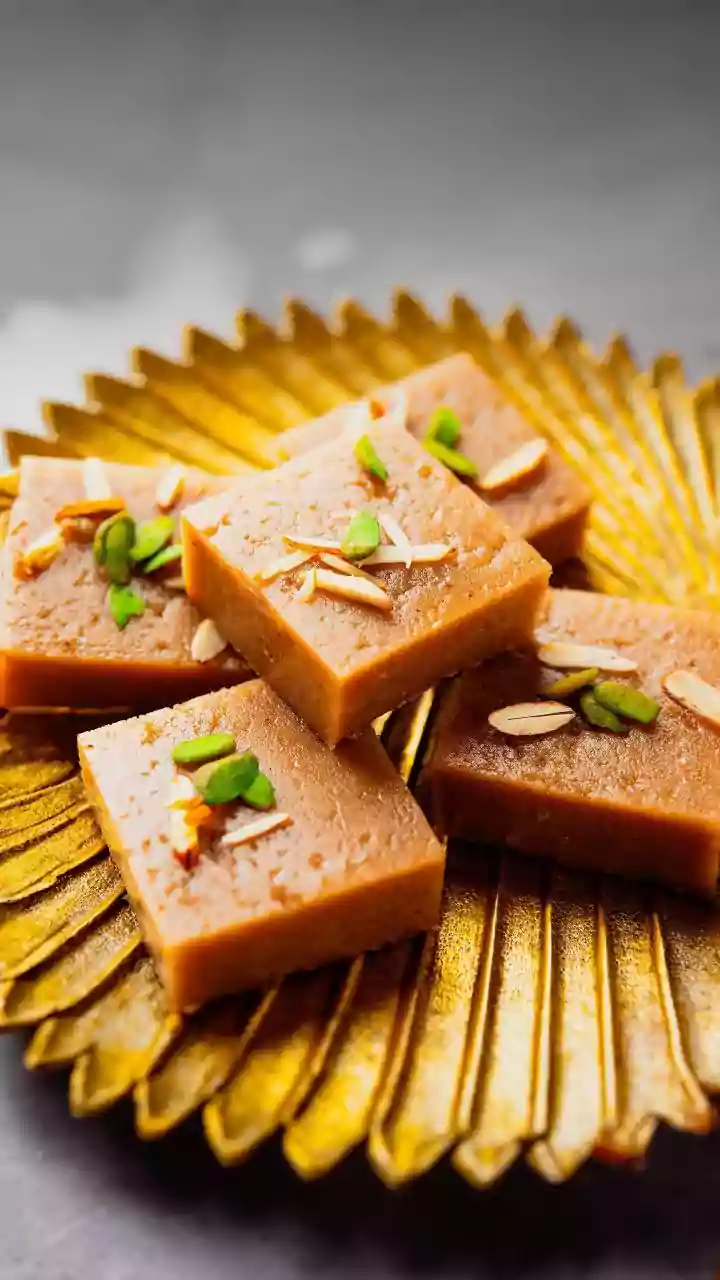
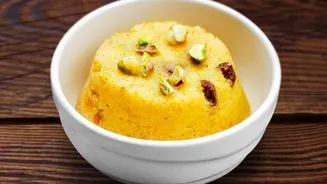
The defining characteristic of a great Aloo Halwa is its luxuriously smooth consistency. Any lumps in your mashed potatoes will translate directly into a lumpy halwa, disrupting the uniform, velvety texture that makes this dessert so special. A smooth base
ensures that the potato cooks evenly when sautéed in ghee, allowing it to absorb the sugar, milk, and flavourings consistently. This prevents uncooked, starchy pockets and guarantees that every spoonful is perfectly homogenous and rich. The goal is a seamless pudding, and that journey begins with lump-free potatoes.
Choose the Right Potato
Not all potatoes are created equal, especially when it comes to mashing for a dessert. For Aloo Halwa, you want potatoes that are high in starch. These varieties, often labelled as baking or mashing potatoes, break down easily when cooked, resulting in a light, fluffy, and dry texture that is ideal for absorbing ghee and sugar. Waxy potatoes, on the other hand, hold their shape and can become gluey or gummy when mashed, which is the opposite of what you need. When in doubt, ask your vendor for potatoes best suited for mashing to give your halwa the best possible start.
The Art of the Perfect Mash
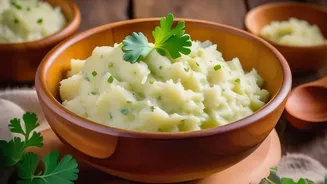
To achieve a flawless mash, start by boiling the potatoes until they are very tender. Once cooked, peel them while they are still hot and mash them immediately. For the smoothest possible result, pushing the cooked potatoes through a potato ricer or a fine-mesh sieve is the most effective method. This breaks down the potato fibres without overworking the starch, ensuring a silky finish. If you don't have these tools, a traditional hand masher will work, but be extra diligent to work out every single lump. Some recipes even suggest blending the cooked potatoes, but this must be done with caution to avoid a gummy texture.
Common Pitfalls to Avoid
Several common mistakes can sabotage your mash. The biggest culprit is using a food processor or electric mixer. The high speed of the blades overworks the potato starch, releasing too much of it and turning your mash into a sticky, unappetizing paste. Another error is mashing cold potatoes; they don't break down as easily, leading to more lumps. Also, ensure you don't over-boil the potatoes to the point where they become waterlogged. Excess water will turn into steam when you sauté the mash in ghee, making it harder for the halwa to come together and develop its rich, roasted flavour.
From Smooth Mash to Halwa Magic
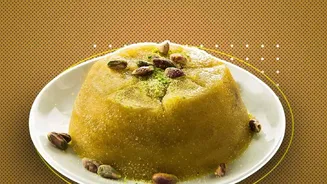
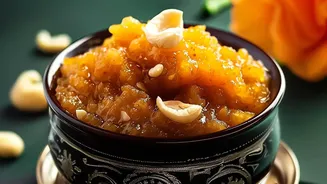
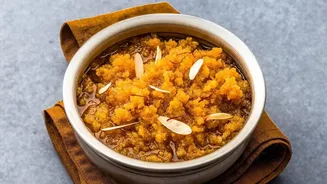
Once you have your perfectly smooth mash, the rest of the process becomes a joy. The lump-free potato will readily combine with the hot ghee in the pan, transforming into a fragrant, golden base. As you continue to stir, this smooth mixture will cook evenly, absorbing the sugar and milk without any textural inconsistencies. The final stage, where the halwa starts to leave the sides of the pan, is achieved much more easily when you start with a homogenous base. This careful preparation at the beginning is what unlocks the rich, decadent magic of a truly memorable Aloo Halwa.