







The Railway Food Dilemma
For millions of passengers, train food is a necessity, but it comes with inherent risks. Meals from pantry cars have a mixed reputation, with issues ranging from blandness to serious hygiene lapses. While Indian Railways has taken steps to monitor quality,
problems with stale or improperly handled food persist. Unofficial vendors who board compartments or sell on platforms present an even bigger gamble, as their food is unregulated and hygiene standards are often questionable. The core issue remains consistency; a meal that was perfectly fine on one journey could be a source of trouble on the next. Relying solely on these options without being informed is a risk to your health and can ruin a travel experience.
Decoding FSSAI and 'Eat Right Stations'
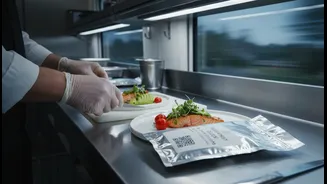
The Food Safety and Standards Authority of India (FSSAI) is working to improve this situation. A key initiative is the 'Eat Right Station' certification, which is awarded to stations that meet high standards for food safety and hygiene. As of early 2024, 150 stations across India have received this certification, indicating that vendors at these locations have undergone audits and training. When buying food at a station, looking for this certification can be a good indicator of safer options. Furthermore, all authorised food vendors, whether in a station or a pantry car, are required to have an FSSAI license. This brings a level of accountability that was previously missing.
The Rise of E-Catering and Food Apps
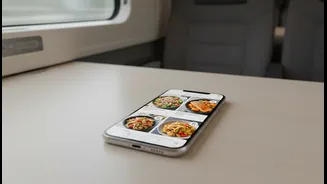
The game-changer in recent years has been the growth of e-catering services. Platforms like IRCTC's official 'Food on Track' app, along with authorised partners like RailMitra and Zoop, allow passengers to order meals from FSSAI-approved restaurants located near stations on their route. This system bypasses the limitations of the pantry car, offering a wider variety of fresh, hot food delivered directly to your seat. However, this convenience comes with its own set of rules. It is crucial to use only IRCTC-authorised services, as many unauthorised apps operate without official oversight, creating a potential risk for passengers. The key is to verify the platform before you order.
Your Safety Checklist for App Orders
When ordering food via an app for your train journey, a few simple checks can drastically reduce your risk. First, always use the official IRCTC e-catering website or its authorised partner apps. When selecting a restaurant, check its ratings and reviews within the app. Opt for simpler, freshly cooked meals like dal and rice, pulao, or idlis, as they are generally safer and easier to digest than complex, heavy curries. Avoid raw items like salads or cut fruits. It is also wise to schedule your delivery for a station where the train has a longer halt of at least 10 minutes, and place your order at least 1.5 to 2 hours in advance. Finally, whenever possible, choose the 'cash on delivery' option to avoid losing money if the delivery fails to reach you.
When in Doubt, Pack Your Own
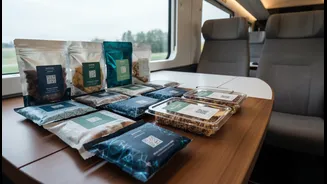
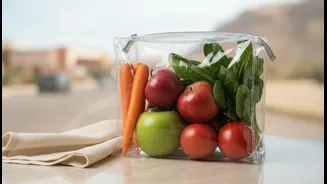
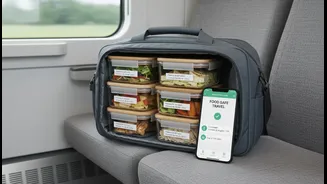
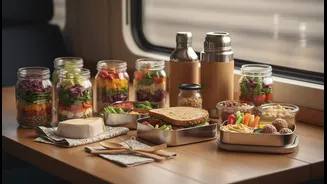
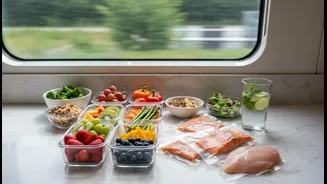
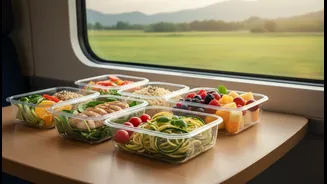
The safest meal on a train is often the one you bring from home. For shorter journeys, this is the most reliable option. Foods with a long shelf life and low moisture content are ideal. Classic choices for Indian travellers include thepla, stuffed parathas, and dry snacks like roasted chana or khakhra. Lemon or tamarind rice are also good options as the natural acidity acts as a preservative. If you're packing food, ensure it is in a clean, sealed container. For longer trips, supplement your home-packed food with sealed packaged goods and bottled water from trusted brands to stay safe and hydrated.
How to Act When Food is Unsafe
If you receive substandard, contaminated, or overpriced food, do not stay silent. Indian Railways has made it easier to file complaints. The most effective method is using the 'RailMadad' app or website (railmadad.indianrailways.gov.in). You can file a complaint in minutes using your PNR number. Alternatively, you can call the helpline number 139. Social media, particularly the platform 'X' (formerly Twitter), is also a powerful tool. By posting a photo or video and tagging the official handles like @RailMinIndia and @IRCTCofficial with your PNR, you can often get a swift response, sometimes before you even reach the next station.