The Elusive Ghost of the Mountains
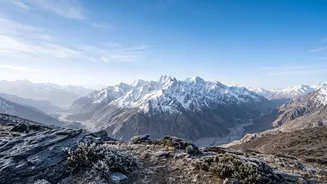
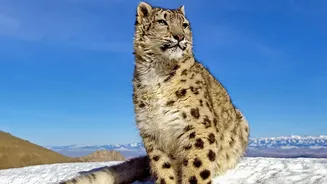
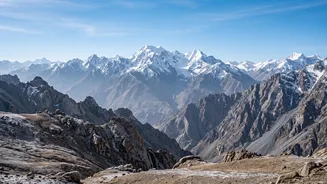
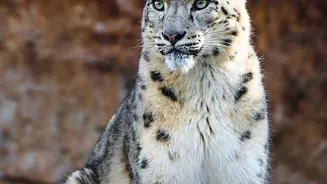
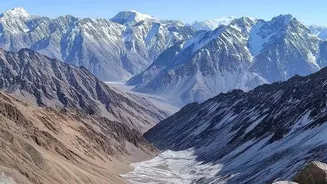
Imagine a creature so perfectly adapted to its environment that it can vanish in plain sight. That is the snow leopard. With a smoky-grey coat dappled with dark rosettes, it melts into the rocky, high-altitude terrain of the Himalayas. This near-mythical
status makes spotting one in the wild a lifetime achievement for many nature lovers. These cats are solitary, powerful, and built for extreme conditions, capable of leaping up to 30 feet to navigate the treacherous cliffs. Their elusiveness is not just a part of their mystique; it is a survival tactic in one of the harshest landscapes on Earth. The quest to see one is not just a trip but an expedition that demands patience, respect, and a deep appreciation for the wild.
Ladakh: The World's Snow Leopard Capital
For those determined to see this ghost, all roads lead to Ladakh. The region is home to India's largest snow leopard population, with an an estimated 477 of the country's 718 individuals residing here. Areas like Hemis National Park and the valleys of Rumbak, Shang, and Ulley have become world-renowned hotspots for sightings. The best time for a safari is during the harsh winter months, from January to March. During this period, heavy snow pushes the snow leopard's primary prey, like the blue sheep (bharal) and ibex, to lower altitudes, and the predators follow. This seasonal migration brings the elusive cats into more accessible areas, increasing the chances for a successful, albeit cold, expedition.
A Flagship for Conservation
The snow leopard is more than just a tourist attraction; it is what conservationists call a 'flagship species'. This means its popular appeal helps to raise support and funding for the conservation of its entire ecosystem. By protecting the snow leopard, we also protect countless other species that share its habitat, from the Himalayan wolf to the Tibetan argali sheep. It is also an 'indicator species', meaning its presence signals the health of the high-altitude environment, which serves as a vital freshwater reservoir for millions of people. India's 'Project Snow Leopard', launched in 2009, recognizes this by focusing not just on the animal but on conserving the fragile mountain landscapes through community participation and scientific monitoring.
The Safari Experience: Patience and Respect
A snow leopard safari is unlike any other wildlife tour. It is an active, challenging trek in high-altitude, often sub-zero conditions. Expeditions are led by expert local trackers who have an innate understanding of the terrain and the animal's behaviour. Days are spent scanning vast, silent landscapes with high-powered spotting scopes, searching for any sign of movement. Recently, in a move to formalise and regulate this tourism, the Ladakh administration launched India's first high-altitude wildlife safari. This initiative uses specially designed vehicles and trained local guides on approved routes to prevent illegal off-roading and minimise disturbance to wildlife, ensuring that tourism remains sustainable and responsible.
Community at the Heart of Conservation
Perhaps the most critical element of Ladakh's conservation success story is the involvement of local communities. For years, snow leopards were seen as pests that preyed on livestock, leading to retaliatory killings. However, innovative programmes like the Himalayan Homestays initiative, started by organisations like the Snow Leopard Conservancy India Trust, have changed this dynamic. By providing villagers with an alternative income through tourism—hosting trekkers, acting as guides, and selling handicrafts—the snow leopard has been transformed from a threat into a valuable asset. This model of community-based ecotourism ensures that the people who share the land with these magnificent animals benefit directly from their protection, making them the ultimate custodians of the Ghost of the Mountains.