





In a world obsessed with speed, there is a unique magic in getting lost. This is the promise of the world's great historic markets—places designed not for cars or efficiency, but for the simple, profound joy of slow, human-powered discovery.
The Labyrinth of Wonders: Grand Bazaar, Istanbul
Dating back
to the 1460s, Istanbul's Grand Bazaar is less a marketplace and more a walled city dedicated to commerce. With roughly 4,000 shops spread across 61 covered streets, it’s a deliberate and delightful maze. The architecture itself is a call to wander; vaulted ceilings and grand arched gateways lead you down alleys grouped by trade—one for leather, another for lanterns, another for dazzling jewellery. This isn't a place you can rush through. Its design forces you to slow down, engage your senses, and surrender to the experience. The air is thick with the scent of spices and Turkish coffee, and the sound of haggling is a constant, friendly hum. The very act of navigating its grid-like spine and branching lanes is the point. It’s an environment built for human interaction, where accepting a cup of tea from a shopkeeper is part of the exploration, whether you buy something or not.
The Urban Theatre: Djemaa el-Fna, Marrakech
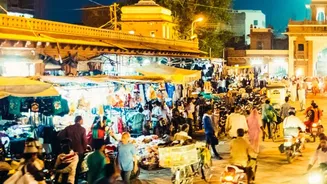
Marrakech's main square, Djemaa el-Fna, is a masterclass in transformation. By day, it's a sprawling, open space with juice vendors and the hum of daily life. But as dusk falls, it morphs into an entirely different entity: a vibrant, open-air theatre and food market. Dozens of food stalls roll into place, their lights twinkling as smoke from grilling meats fills the air. This is a space defined by its fluid, pedestrian-centric nature. There are no rigid aisles, only a swirling mass of people, performers, and storytellers. You can wander from a circle of Gnaoua musicians to a storyteller captivating a crowd, then find a seat on a simple bench to eat a tagine. The 'slowness' here comes from its dynamic, ever-changing character, which invites you to linger and observe. The best views are often from the rooftop terraces of surrounding cafes, where you can watch the spectacle unfold from a slight remove.
The Producer's Stage: Pike Place Market, Seattle
Founded in 1907 with a simple mission to connect farmers directly with consumers, Pike Place Market is the antithesis of anonymous modern shopping. It remains one of the oldest continuously operated public farmers' markets in the United States. Its multi-level network of arcades and stalls is built into a hillside overlooking the water, creating a 'vertical neighbourhood' that encourages walking and discovery. The market’s layout prioritises the vendor, turning the selling of produce, fish, and crafts into a performance. The famous 'fish throw' is just the most obvious example. Stalls are designed for face-to-face interaction, and the market deliberately mixes produce stands with artisan foods, flower vendors, and small restaurants to create layers of appeal. This design ensures that a quick trip often turns into a longer stay, as you're drawn from a beautiful display of flowers to the scent of freshly baked goods, all while being part of a bustling community hub that includes housing and social services.
The Culinary Artery: La Boqueria, Barcelona
Located just off Barcelona’s famous pedestrian thoroughfare, La Rambla, La Boqueria is a temple to food that has been evolving for centuries. While its origins trace back to the 13th century, the stunning iron roof that now covers it was completed in 1914, creating a sheltered space dedicated to sensory indulgence. The market is a dazzling, overwhelming explosion of colour and life, with over 200 stalls offering everything from jamón and fresh seafood to exotic fruits and intricate candies. Its design as a single, sprawling hall with countless aisles makes it a place to get happily lost. The best way to experience it is to embrace the chaos, grab a freshstqueezed juice, and wander without a destination. The inclusion of tapas bars right at the stalls invites you to pause, eat, and soak in the atmosphere, making the market not just a place to shop, but a place to be. For the most authentic experience, locals and experts recommend arriving early in the morning before the biggest crowds descend.