





What is a Vertical Garden?
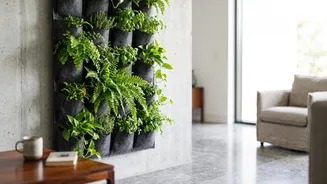
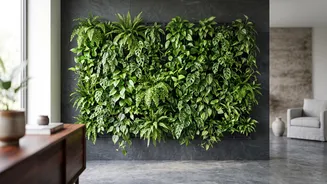
A vertical garden, also known as a living wall or green wall, is a method of growing plants on a vertically suspended panel or structure. By growing upwards instead of outwards, these gardens allow you to cultivate a surprising amount of greenery—from
ornamental plants to herbs and vegetables—in a limited footprint. Attached to either an interior or exterior wall, these systems consist of a frame, a growing medium for the roots, and often an integrated watering system. They are a fusion of nature and design, turning architecture into a living, breathing feature of your home. Unlike green facades where climbing plants grow up from the ground, living walls have their plants contained entirely within the wall structure itself.
The Benefits of Going Vertical
Beyond their striking visual appeal, vertical gardens bring a host of benefits. One of the most significant is improved indoor air quality. Plants are natural air purifiers, filtering common household toxins and converting carbon dioxide into fresh oxygen. Studies have shown that indoor plants can remove a significant amount of pollutants, which is a major advantage in urban Indian homes. The presence of greenery is also proven to have a calming effect, reducing stress and boosting concentration and creativity. Furthermore, a dense wall of plants acts as a natural insulator, helping to regulate indoor temperatures and even dampen ambient noise.
Choosing the Right System
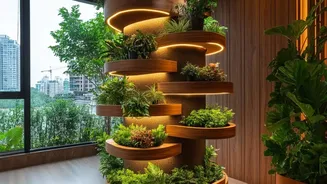
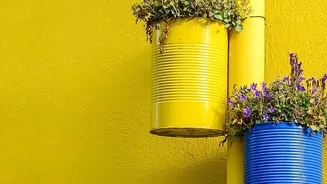
Vertical garden systems range from simple DIY projects to sophisticated, professionally installed walls. The most common types include modular and container-based systems, which use pre-planted panels, trays, or pockets that can be mounted on a wall. These are often easier to install and allow for simple plant replacement. Another popular option for DIY enthusiasts in India are simple hanging pots or repurposed items like ladders and crates. For a more integrated look, hydroponic systems grow plants without soil, using a nutrient-rich water solution that circulates through the structure. While more complex, these systems are lightweight and give precise control over plant health. In India, you can find simple DIY kits starting from around ₹500, with mid-range modular systems costing between ₹3,500 and ₹10,000. Professionally installed living walls with automated irrigation can cost ₹500 to ₹1,800 or more per square foot, depending on the complexity.
Best Plants for an Indoor Wall
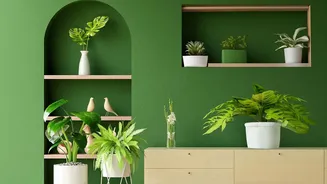
The key to a thriving living wall is choosing plants that suit your indoor conditions, especially light. For most Indian homes, which often have low to medium indirect light, hardy and adaptable plants are the best bet. The Money Plant (Pothos) is a fantastic choice, known for its resilience and attractive cascading leaves that can be grown in soil or water. Snake Plants are another excellent option, as they are sculptural, easy to maintain, and tolerate low light well, even producing oxygen at night. Other great choices include the ZZ Plant, Spider Plant, Peace Lily, and Philodendrons. These plants are known for their air-purifying qualities and ability to thrive indoors with minimal fuss, making them perfect for beginners and busy homeowners alike.
Installation and Ongoing Care
Before you begin, assess your chosen wall's light exposure and structural integrity. Plan your layout to ensure you can easily access every plant for care. Watering is crucial; while some high-end systems are self-watering, most require regular checks. It's better to check the soil moisture than to water on a rigid schedule. Since the soil volume is limited, nutrients can deplete quickly, so feeding your plants with a balanced liquid fertiliser about once a month during the growing season is recommended. Regularly inspect for pests and prune away any dead or yellowing leaves to encourage healthy growth and maintain the wall's appearance. With proper care, your vertical garden will remain a stunning feature for years.