




What 'Low-Impact' Really Means
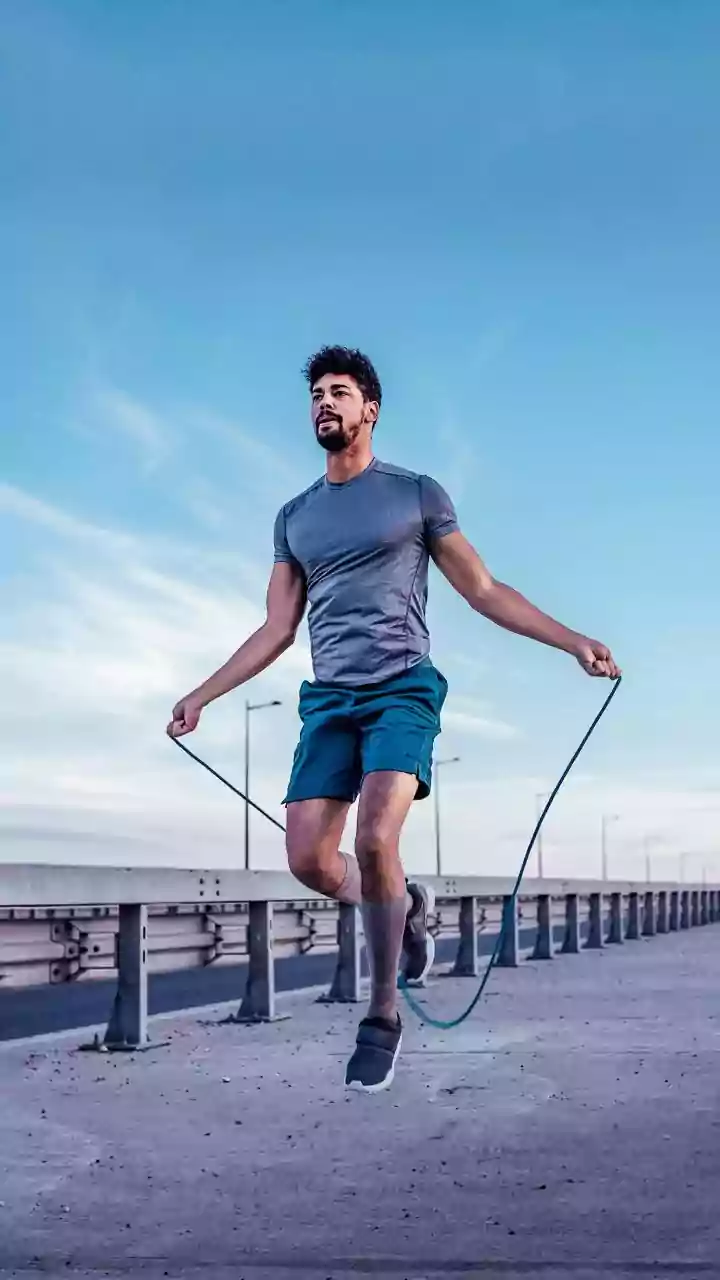
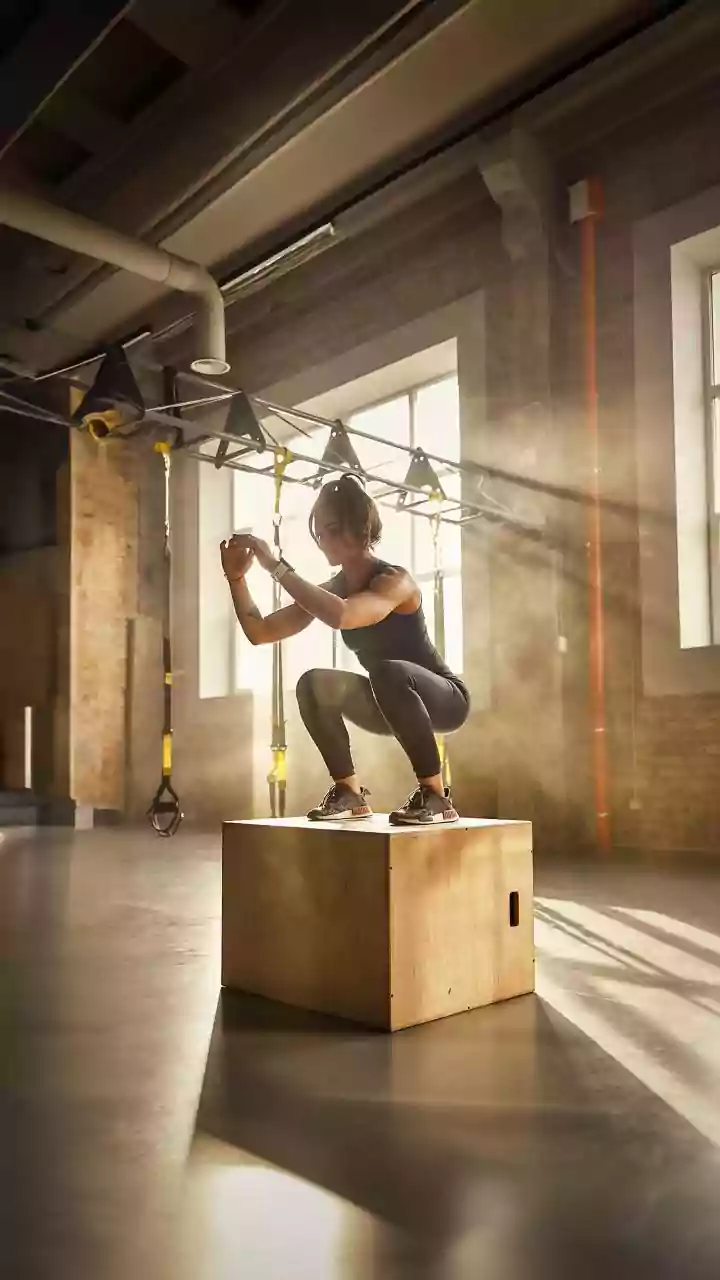
First, let's clear up a common fitness term: 'low-impact'. It doesn't mean easy or ineffective. Low-impact exercise is any form of movement that is gentle on your joints. Unlike high-impact activities like running, where both feet may leave the ground,
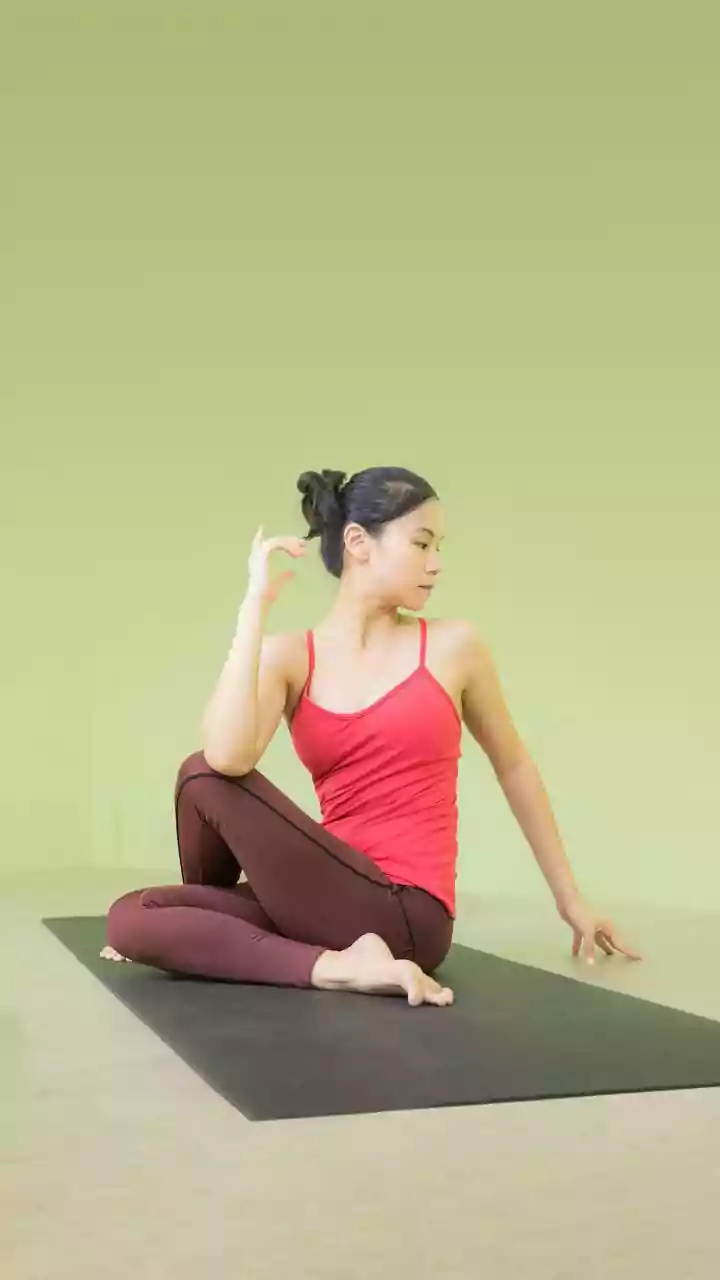
low-impact workouts ensure at least one foot remains on the ground, reducing stress on your knees, hips, and ankles. Think of activities like walking, swimming, cycling, and Pilates. Tai Chi fits perfectly into this category. Its movements are slow, deliberate, and controlled, building strength and endurance without the jarring force that can lead to strain or injury. This makes it an exceptionally sustainable practice for people of all ages and fitness levels.
Beyond the Mystique: What is Tai Chi?
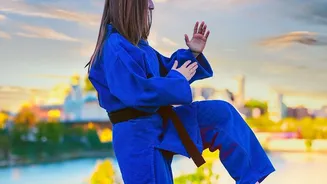
Originating as a Chinese martial art, Tai Chi is now practised globally as a health-promoting mind-body exercise. It involves a series of slow, flowing postures that transition seamlessly from one to the next, coordinated with deep, rhythmic breathing. This constant, graceful motion strengthens the body while the focus required promotes a sense of inner calm. It’s not about speed or power, but about precision, posture, and connecting your mind to your body’s movements. Different styles exist, such as Yang and Sun, but all share the core principles of gentle movement and mindfulness. This combination is what makes it a uniquely powerful tool for both physical and mental well-being.
The Science of Finding Your Balance
One of Tai Chi’s most researched benefits is its remarkable ability to improve balance and reduce the risk of falls, particularly in older adults. Multiple studies have shown that regular practice significantly enhances both static balance (staying steady while still) and dynamic balance (maintaining stability while moving). But how does it work? The slow, controlled weight shifts inherent in Tai Chi train your body to maintain its center of gravity. This strengthens the muscles in the legs and core, which are crucial for stability. Furthermore, it improves proprioception—your body's ability to sense its position in space. This heightened awareness helps you anticipate and correct for stumbles before they become falls. Research has confirmed these benefits, with some meta-analyses finding that Tai Chi can reduce falls in older adults by a significant margin.
A Workout for Your Mind
While the physical benefits are clear, the mental aspect of Tai Chi is just as important. The practice is often described as a form of moving meditation. The intense focus required to follow the sequence of movements and coordinate them with your breath keeps you firmly in the present moment, pushing aside daily stresses and anxious thoughts. This mindful engagement helps activate the body's parasympathetic nervous system, which is responsible for the 'rest and digest' response. Studies have linked consistent Tai Chi practice to lower levels of the stress hormone cortisol, a slower heart rate, and an overall sense of calm and mental clarity.
How to Get Started
Getting started with Tai Chi is more accessible than you might think. It requires no special equipment and can be adapted to any fitness level. Many community centres, gyms, and parks offer beginner classes. When you join your first class, expect a welcoming environment with a focus on gentle warm-ups like shoulder rolls and weight-shifting exercises. An instructor will guide you through basic postures and movements, teaching them slowly and with repetition to help build muscle memory. The key is to focus on proper form rather than perfection. The goal is not to perform, but to connect with your body and breath in a new, more intentional way.