

The Power of Grouping
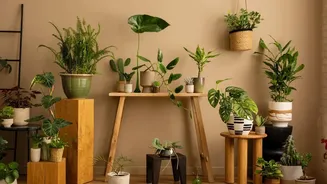
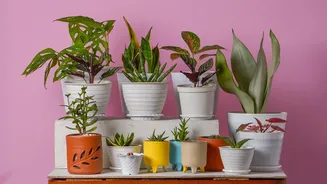
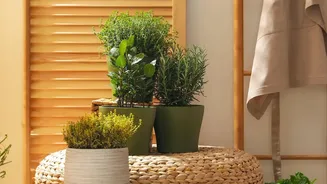
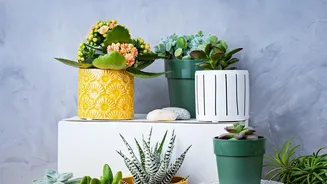
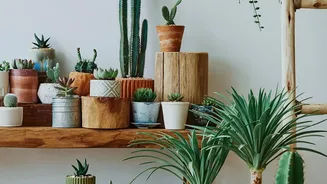
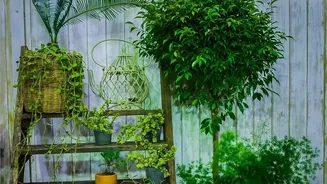
A single plant can be beautiful, but a well-arranged group creates a powerful visual statement. Instead of dotting plants randomly around a room, which can create a sense of clutter, gathering them into clusters creates a deliberate and calm feeling.
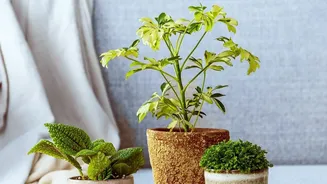
Interior designers often use the 'rule of three'. An odd number of items, particularly three, tends to be more visually appealing and dynamic than an even number. A group of three pots allows the eye to move between them, creating a sense of flow. To make your grouping work, aim for variation. Combine pots of different heights, shapes, and even textures. This contrast creates interest and depth. For example, you could pair a tall, slender pot with a medium, rounded one and a small, textured bowl. The common element, such as the ceramic material or a consistent colour palette, will tie the arrangement together, making it look cohesive rather than chaotic.
What Is Scale in Design?
Scale refers to the size of an object in relation to other objects around it. In home decor, it's all about ensuring that furniture and accessories are in proportion to one another and to the room itself. Getting the scale wrong is a common design mistake. A tiny planter on a large dining table will look lost, while a massive pot next to a delicate armchair can feel overwhelming and out of place. When it comes to plants, you have to consider two relationships: the scale of the planter to the plant, and the scale of the entire potted plant to the furniture and space around it. Mastering this helps create harmony and balance, making your green additions feel like an integral part of the home's design.
Matching the Planter to the Plant
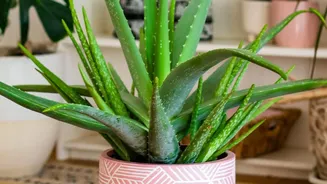
The right planter size is crucial for both the health and the look of your plant. A pot that is too large can hold excess moisture, leading to a risk of root rot, while one that is too small can restrict root growth and stunt the plant. A good aesthetic rule of thumb is to choose a pot that is about one-third the height of the plant. Visually, the pot should look like a stable anchor for the plant, not like it's about to be swallowed by foliage or is overwhelming a tiny seedling. When repotting a growing plant, select a new pot that is only about 2 to 4 inches wider in diameter than the old one. This provides enough room for growth without creating the problems associated with an oversized container.
Matching the Planter to Your Space
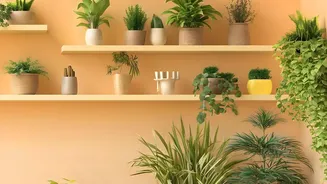
Once your plant and pot are happily paired, consider their place in the room. The combined scale of the potted plant should complement the furniture nearby. For example, large standing planters are perfect for filling empty corners or framing a doorway, where they can add height and drama without getting in the way. Medium-sized pots work well on side tables, consoles, or as a centerpiece on a coffee table, where they are substantial enough to be noticed but don't dominate. Small pots are ideal for shelves, windowsills, and bedside tables, adding a touch of green without taking up valuable space. Think of creating layers of green at different heights to draw the eye around the room.
Creating a Cohesive Green Vignette
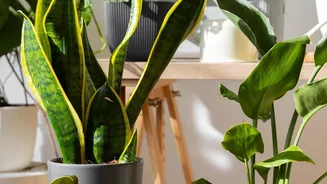
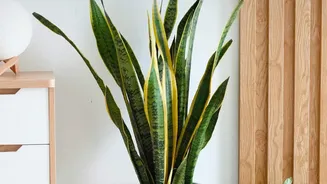
Let's bring these ideas together. Imagine a lonely corner in your living room next to a sofa. Instead of just one medium-sized plant, try creating a vignette. Start with a tall floor planter holding a Snake Plant to serve as a vertical anchor. Next to it, place a medium pot on a short stand with a flowing Pothos. Finally, add a small, round pot directly on the floor with a compact ZZ plant. This trio uses varied heights to create interest. All pots could be ceramic but in different shades of green or neutral tones to create harmony. The scale of the largest pot is balanced by the sofa, and the entire grouping feels intentional, turning an empty corner into a lush, stylish feature.