


The Winter Smog Mentality
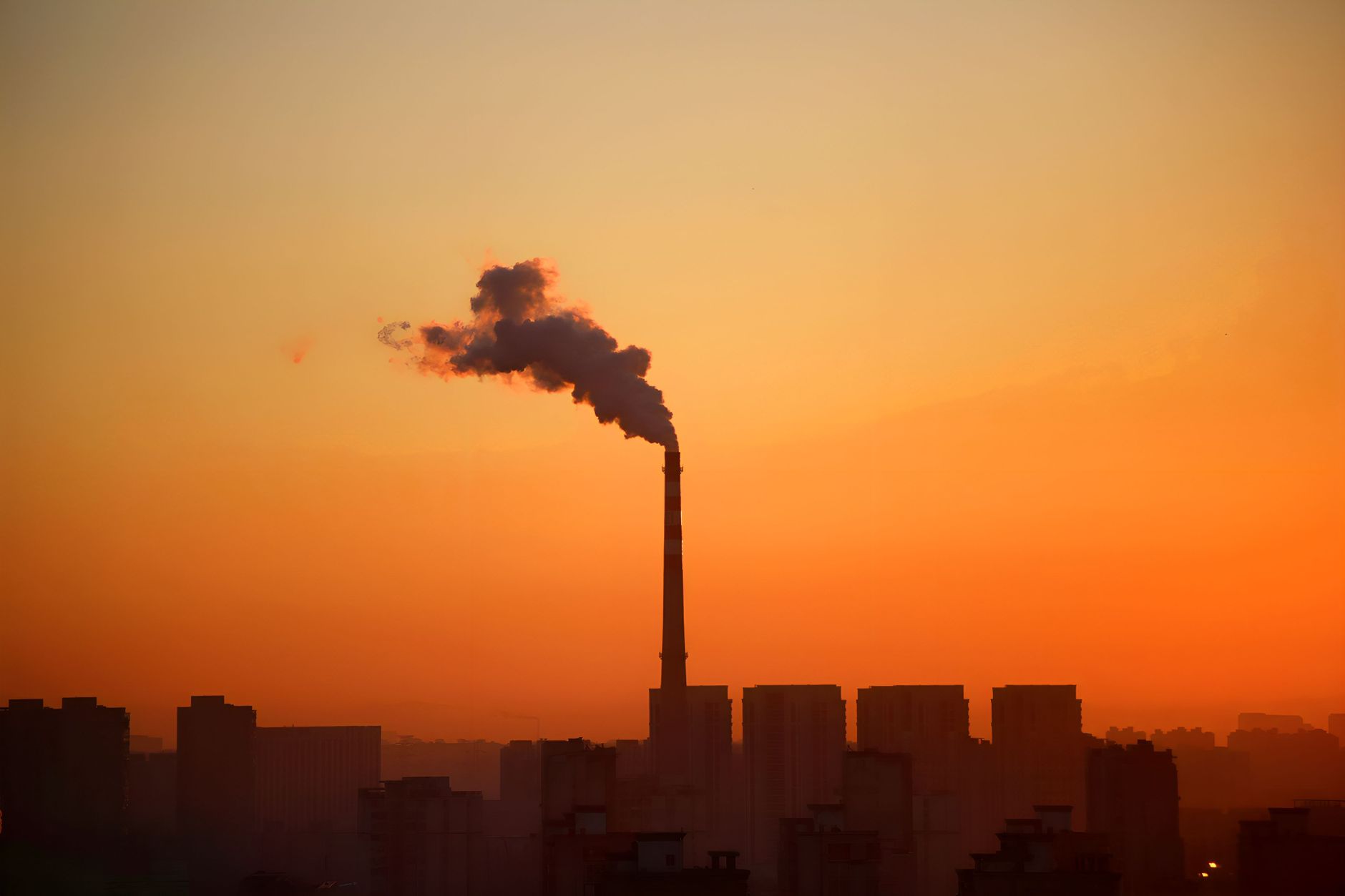
For many Indians, the fight for clean air is a seasonal battle. As winter approaches, headlines fill with talk of stubble burning, Diwali firecrackers, and dropping temperatures that trap pollutants in a thick, grey blanket over our cities. We pull out
our masks, run our air purifiers, and anxiously check the Air Quality Index (AQI) each morning. This response is understandable; winter pollution is visibly severe and its health effects are immediate. However, this seasonal focus creates a dangerous illusion of safety during other times of the year. The reality is that while the sources may differ, the threat from toxic air persists through the blistering heat of summer and the damp of the monsoon. Acknowledging this is the first step toward true respiratory wellness.
Summer and Monsoon: A Different Kind of Threat
The seasonal relief from particulate matter is becoming a thing of the past. During India's hot summers, intense sunlight and high temperatures create a perfect storm for the formation of ground-level ozone. This invisible, colourless gas is not emitted directly but is 'baked' in the atmosphere when pollutants from vehicle exhaust and industrial emissions react with sunlight. High ozone levels can inflame airways, worsen asthma and bronchitis, and have been linked to significant health risks. Cities like Delhi-NCR, Chandigarh, Jaipur, and even southern hubs like Bengaluru and Chennai are increasingly becoming ozone hotspots. Then comes the monsoon. While the rains can temporarily wash away some pollutants, they introduce new problems. High humidity and dampness in poorly ventilated homes create ideal conditions for mould and fungal growth, which release spores that can trigger allergies and severe respiratory irritation.
Beyond the Cough: Year-Round Health Risks
Focusing only on winter's coughs and colds means we underestimate the long-term damage of year-round pollution exposure. The entire population of India lives in areas where the concentration of tiny, harmful particles called PM2.5 exceeds WHO guidelines. These microscopic particles, from sources like traffic, construction dust, and industry, are present all year. They can penetrate deep into the lungs and enter the bloodstream, contributing to chronic diseases that develop over time. Long-term exposure is linked to cardiovascular problems, lung cancer, and reduced life expectancy. Studies have found that, on average, Indians may have lower lung function compared to people in cleaner environments. This isn't just about seasonal sickness; it's about a persistent, low-grade assault on our bodies that requires a consistent, daily defence.
A 365-Day Action Plan for Cleaner Air
Protecting yourself and your family requires shifting from emergency winter measures to consistent daily habits. Start by monitoring the AQI daily, not just from October to January. Free apps and websites provide real-time data that can help you decide when it's safe for children to play outside or for you to go for a run. Keep N95 masks handy throughout the year for days when AQI levels are high, regardless of the season. Ventilate your home smartly; open windows during hours when pollution is typically lower, but keep them sealed during peak traffic or on high-ozone days. Inside the home, regular cleaning with a damp cloth and a vacuum with a HEPA filter can reduce the accumulation of dust and allergens. Consider investing in an air purifier for the bedroom to ensure at least eight hours of clean air while you sleep. Finally, adding air-purifying indoor plants like spider plants and peace lilies can help filter certain toxins from the air naturally.