


The Art of Colour-Blocking Explained
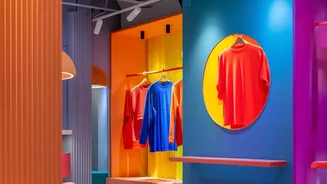
At its heart, colour-blocking is the technique of pairing two or more solid blocks of colour next to each other. Instead of blending or using busy patterns, this method relies on clean lines and distinct shapes to create visual impact. Think of it as
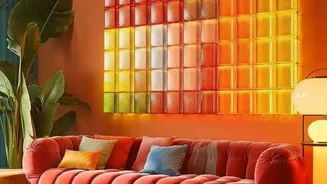
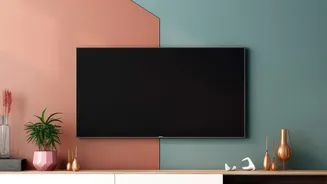
creating a composition with colour itself. The trend has roots in the art world, famously inspired by the abstract work of painter Piet Mondrian, and has long been a staple in fashion. In home decor, it translates into using paint, furniture, or art to define a space, create a focal point, or simply inject a dose of personality. The colours can be contrasting for a dramatic effect or tonal for a more subtle, harmonious look.
Why Geometric Shapes Steal the Show
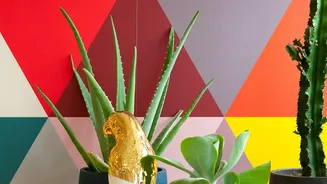
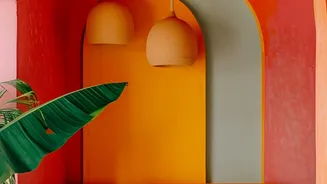
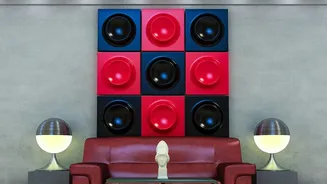
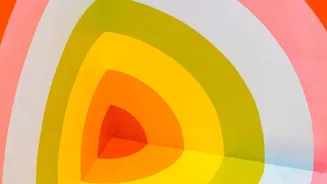
When colour-blocking meets geometry, the result is both modern and timeless. Simple shapes like circles, arches, squares, and triangles provide a clean structure that lets the colours truly shine. Using tape to create abstract geometric designs on a wall can turn a plain surface into a striking piece of modern art. These forms are impactful without being chaotic, offering a sense of order and intention. Whether it’s a single painted arch to frame a bed or a gallery wall of multi-shaped prints, geometric art is versatile. It can feel playful and energetic in a child's room or sophisticated and creative in a living area or home office.
Making It Work in an Indian Home
The beauty of this trend lies in its adaptability. In the context of Indian homes, which often feature rich textiles and intricate traditional patterns, colour-blocked art can provide a moment of modern simplicity. A bold geometric canvas can be the perfect contemporary counterpoint to a classic Jaipuri quilt or carved wooden furniture. Conversely, in a minimalist urban apartment, it can be the primary source of colour and energy. When using bold hues like emerald green, royal blue, or fiery red, the key is balance. Pair these vibrant shades with a backdrop of warm neutrals like beige, cream, or soft grey to prevent the space from feeling overwhelmed. This allows the colours to stand out without competing for attention.
Your Guide to Getting Started
Intrigued but not sure where to begin? Start small. You don’t have to paint an entire wall. Experiment with a set of smaller art prints or try a DIY project on a canvas. When choosing colours, the classic 60-30-10 rule is a great guideline: 60% of your room should be a dominant neutral colour, 30% a secondary colour, and 10% a bold accent colour. This ensures a balanced look. For a cohesive feel, pull your accent colours from other items in the room, like a sofa cushion, a rug, or a vase. If you're painting directly on the wall, painter's tape is your best friend for achieving those crisp, clean lines that are essential to the colour-blocked look.
Beyond the Framed Artwork
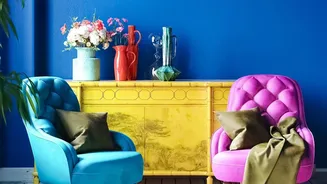
Colour-blocked geometrics aren’t limited to what you can hang on the wall. This trend can be interpreted in many creative ways. Consider painting a recessed nook or the back of a bookshelf in a contrasting colour to create depth and a focal point. You can also use the technique to visually separate zones in an open-plan space, such as carving out a cosy reading corner or a dedicated workspace. Furniture itself can be a form of colour-blocking; a single, brightly coloured sofa or armchair against a neutral wall makes a powerful statement. By thinking beyond the canvas, you can weave this vibrant and graphic trend throughout your home in both big and small ways.