




What Exactly Is Gentle Yoga?
Gentle yoga is a less intense, non-strenuous approach to the ancient practice. Instead of fast-paced flows, it prioritizes slow, controlled movements, mindful breathing, and body awareness. The emphasis is not on achieving a difficult posture but on how
you feel during the movement. This style is perfect for beginners, older adults, individuals recovering from injuries, or anyone simply seeking a soothing, low-impact practice to relieve stress. The goal is to move with awareness, listen to your body, and give yourself time to notice what you need, making it an approachable entry point for anyone curious about yoga.
The Gentle Power of a Seated Twist
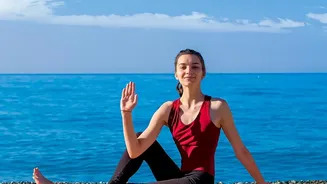
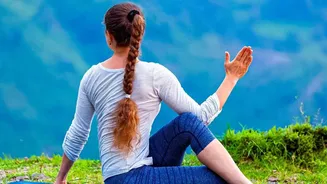
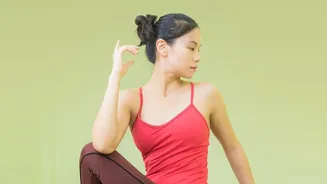
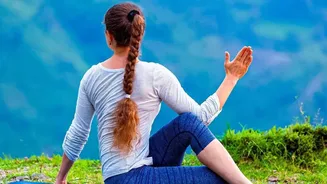
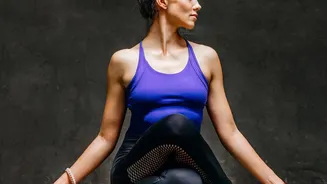
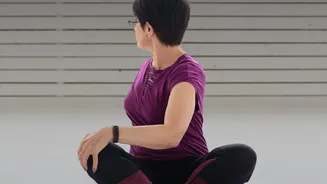
One of the cornerstone movements in a gentle routine is the seated spinal twist, also known as Ardha Matsyendrasana. This pose is restorative yet invigorating, encouraging spinal mobility and promoting good digestion. As you twist, you gently massage the abdominal organs, which can have a cleansing effect. This simple movement also helps relieve tension in the upper back, neck, and shoulders. To practice a simple version, sit comfortably in a chair with your back straight and feet flat. Place your right hand on the outside of your left knee. As you exhale, gently twist your upper body to the left, keeping your spine long. Hold for a few deep breaths before slowly returning to the center and repeating on the other side.
Finding Strength in Stillness: Resting Positions
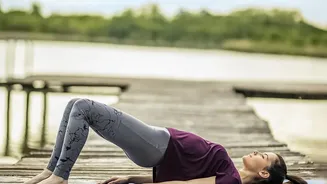
A crucial, and often overlooked, part of any yoga practice is rest. Gentle yoga places a strong emphasis on restorative poses that allow the body and mind to pause and integrate the benefits of movement. Poses like Child’s Pose (Balasana) and Corpse Pose (Savasana) are fundamental. Balasana offers a gentle stretch for the hips and back, creating a sense of surrender and calm. Savasana, which involves simply lying on your back, gives the nervous system a chance to reset completely, reducing stress and anxiety. Using props like blankets or bolsters under the knees can make these resting poses even more comfortable and beneficial. These periods of stillness are not empty time; they are an active part of the practice that fosters deep relaxation.
Who Benefits Most from a Gentle Practice?
While gentle yoga is suitable for everyone, certain groups may find it especially beneficial. Seniors can improve flexibility, balance, and muscle strength, which helps reduce the risk of falls. Chair yoga, a popular form of gentle yoga, adapts traditional poses for those with limited mobility, making it incredibly accessible. People dealing with chronic pain, stiffness, or recovering from injury can use these slow movements to enhance their range of motion without strain. Furthermore, anyone experiencing high levels of stress can benefit, as the focus on breathwork and mindfulness helps calm the nervous system, improve sleep, and promote mental clarity.
Tips for Starting Your Gentle Yoga Journey
Beginning a gentle yoga practice is simple. The most important rule is to listen to your body; never push through sharp pain. Find a qualified instructor, whether online or in person, who has experience teaching gentle or beginner yoga. Don't be afraid to use props like blocks, blankets, and chairs to support your body and make poses more accessible. Wear comfortable clothing that allows you to move freely. Remember that the goal is not perfection but presence. The aim is to feel better, reduce tension, and build a positive relationship with your body, one slow, mindful breath at a time.