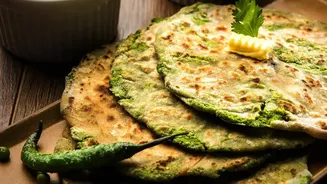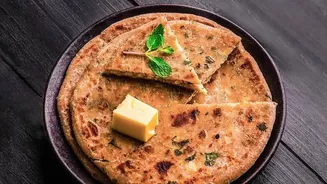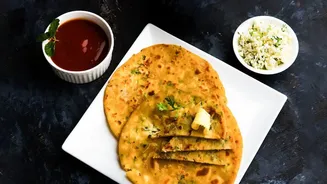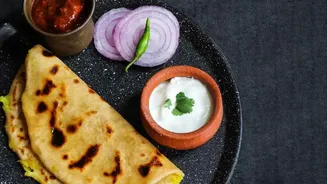


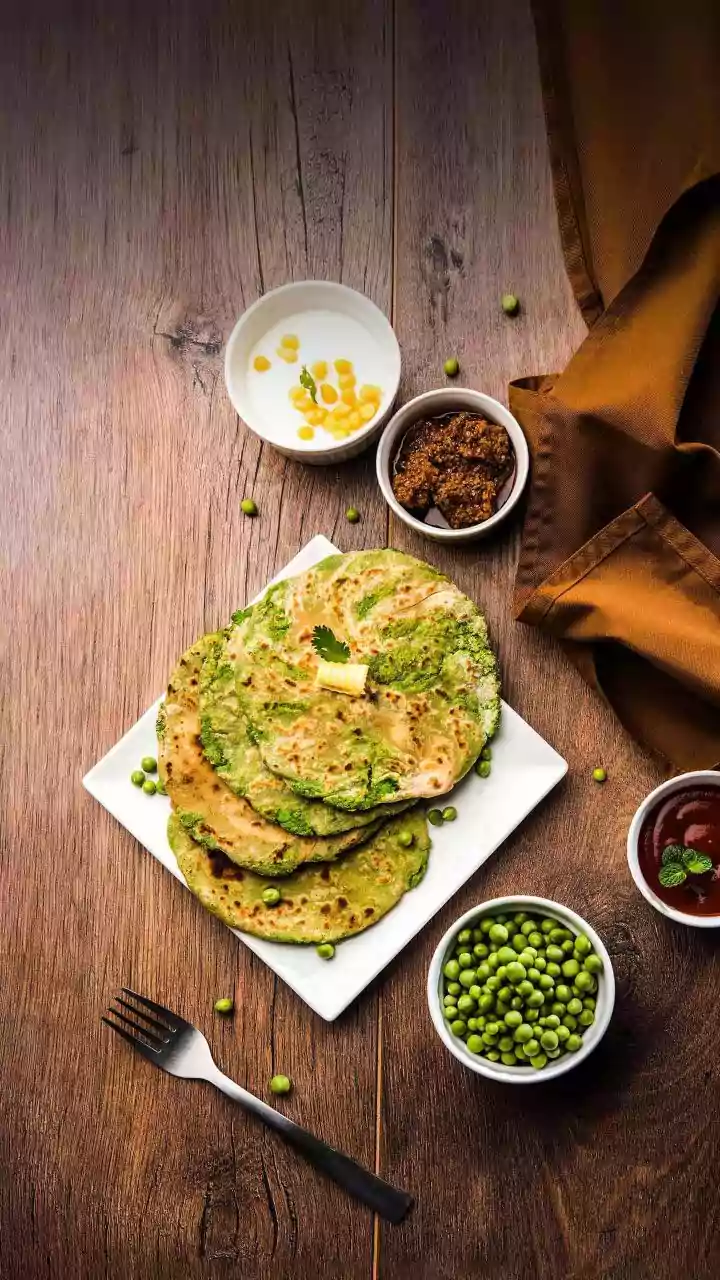
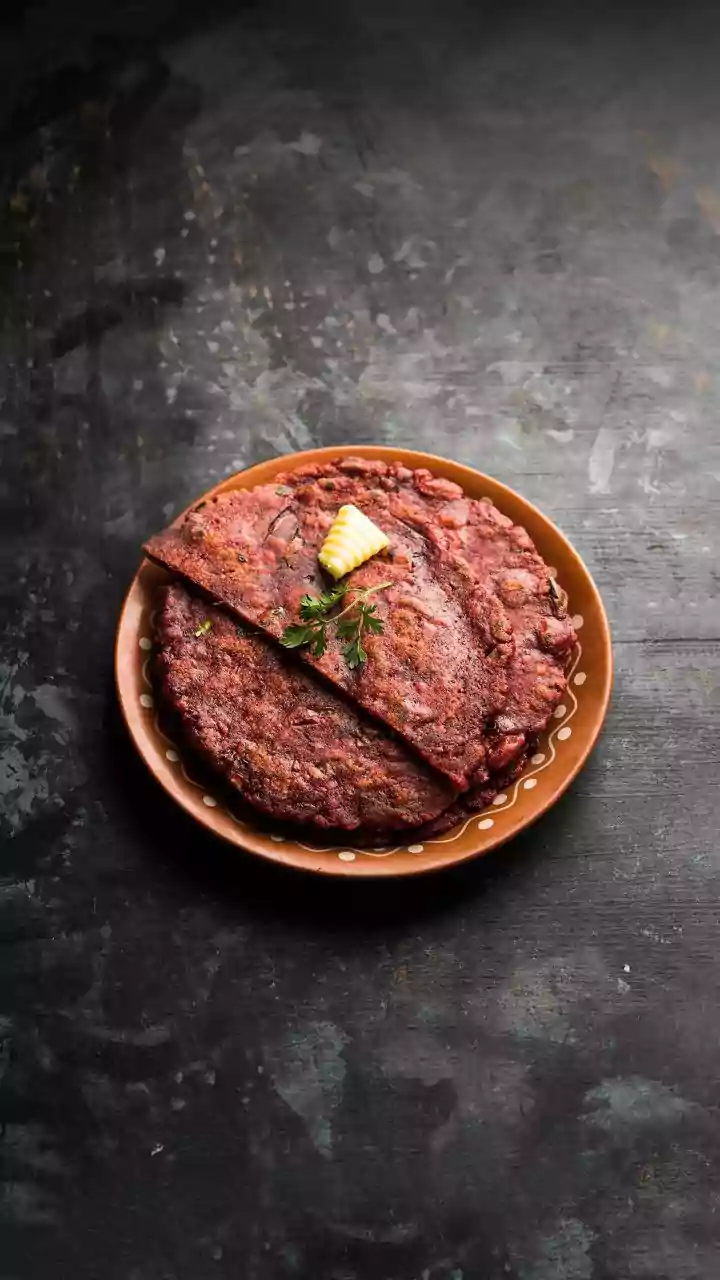



The Foundation: Perfect Paratha Dough
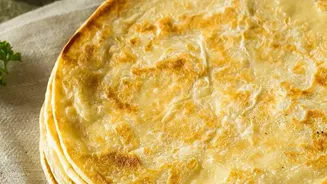
The secret to a great paratha, whether it’s from a dhaba or your home, begins with the dough. For that classic street-style texture, use whole wheat flour (atta). The key is to make a soft, pliable, and smooth dough—not sticky, but not stiff either. Add
a tablespoon of oil or ghee and use lukewarm water to knead it for a good 10-15 minutes. This develops the gluten, making the dough elastic enough to hold the stuffing without tearing. Once kneaded, cover it with a damp cloth and let it rest for at least 20-30 minutes. This resting period is non-negotiable; it relaxes the gluten, making the parathas incredibly soft and easy to roll.
The Classic: Dhaba-Style Aloo Paratha
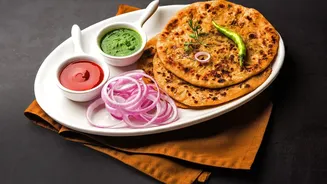
Everyone loves an aloo paratha, but the street version has a distinct, robust flavour. The trick is a relatively dry and flavour-packed filling. Use boiled potatoes that have cooled completely; warm potatoes can become mushy and release steam, making the filling watery. Grating the boiled potatoes instead of mashing ensures an even texture with no lumps. For the masala, don't just add raw spice powders. For an authentic touch, generously add chopped onions, green chillies, ginger, and fresh coriander. Many street vendors also use a little amchur (dry mango powder) for a tangy kick. To prevent the filling from leaking, ensure it’s not moist. If it feels too wet, some cooks recommend adding a spoonful of breadcrumbs or roasted gram flour (sattu) to absorb the excess moisture.
The Indulgence: Creamy Paneer Paratha
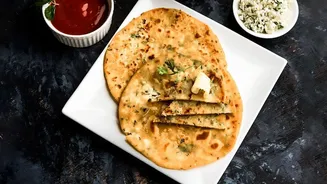
A perfect paneer paratha is generously stuffed with a creamy, spicy filling that doesn't make the bread soggy. The number one rule is to remove as much moisture from the paneer as possible. After grating or crumbling the paneer, gently squeeze it in a muslin cloth or with your hands to get rid of excess water. For the filling, a mix of finely chopped onion, fresh coriander, green chillies, and spices like garam masala and crushed coriander seeds works wonders. A pro tip is to add the salt to the filling only just before you start stuffing the parathas. Salt draws out moisture from both the paneer and the onions, and letting it sit will result in a watery mess that’s impossible to roll.
The Rustic Favourite: Flavourful Gobi Paratha
Gobi (cauliflower) paratha is a beloved North Indian staple, but it is notorious for being tricky due to the high water content of cauliflower. The secret to a perfect, non-soggy gobi paratha is to control this moisture right from the start. Finely grate the cauliflower and place it in a bowl. Sprinkle with salt and let it sit for about 15 minutes. The salt will draw out all the excess water. Afterwards, you must squeeze the grated cauliflower thoroughly with your hands or in a cheesecloth to get it as dry as possible. Some cooks even lightly sauté the grated gobi for a few minutes to dry it out further and enhance its flavour. Once dry, mix in your spices and herbs, and you'll have a filling that’s easy to work with and won't tear your dough.
The Technique: Rolling and Roasting
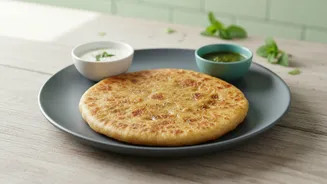
How you roll and cook the paratha is just as important as the filling. When stuffing, flatten the dough ball with your hands, keeping the centre slightly thicker than the edges. Place a generous amount of filling in the middle, bring the edges together, and pinch to seal it completely. Gently flatten the stuffed ball and dust it with dry flour before rolling. Use light, even pressure to roll it out, which helps prevent the filling from spilling. For that signature crispy-yet-flaky texture, cook the paratha on a hot tawa or griddle over medium-high heat. Cook the first side for about a minute until you see small bubbles, flip it, and then apply ghee or oil. Press gently with a spatula to help it puff up. Fry until both sides have golden-brown spots and are cooked through.