

Understanding Gochujang's Magic
At the heart of this dish's flavor is gochujang, a fermented Korean chili paste that offers much more than just heat. Made from red chili peppers, glutinous rice, fermented soybeans, and salt, its taste is a complex symphony of spicy, sweet, and savory
umami notes. Unlike a one-dimensional hot sauce, gochujang brings a profound depth and a slightly funky, fermented character that adds an instant layer of complexity to any dish it touches. Its thick, paste-like consistency is designed for marinades and sauces, clinging to ingredients and creating a rich glaze. The level of spice and sweetness can vary by brand, so it’s always wise to taste a small amount first, but its core profile is what transforms a simple sauce into something deeply flavorful and addictive.
The Secret to Perfectly Crispy Tofu
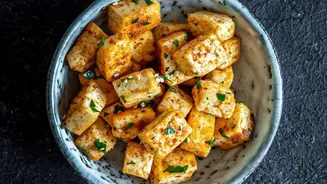
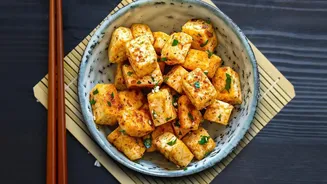
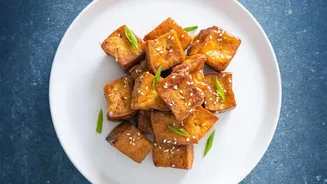
The most common pitfall with tofu is a soggy texture, which happens when it's cooked in sauce from the start. Tofu is packed with water, and if you don't remove it, the tofu essentially steams itself instead of frying. The professional secret is to treat the tofu and the sauce as separate components until the very end. First, press your block of extra-firm tofu to remove as much moisture as possible. You can do this by wrapping it in paper towels and placing something heavy on top for at least 15 minutes. Once pressed, cut or tear the tofu into bite-sized pieces. Tearing it creates more ragged edges, which means more surface area for crisping and for the sauce to cling to later. Lightly coating the pieces in cornstarch is another key step; this helps create a shatteringly crisp exterior when fried. Then, cook the tofu separately in a hot, oiled pan until it's golden brown and crispy on all sides. Set it aside while you prepare the sauce.
Crafting a Balanced Gochujang Sauce
With the tofu crisped and waiting, the sauce comes together quickly in the same pan. A great gochujang sauce balances its intense flavor with other key ingredients. Start by whisking together gochujang paste with soy sauce (or tamari), rice vinegar, sesame oil, and minced garlic. Many recipes also call for a touch of sweetness from maple syrup, agave, or honey to complement the paste's inherent sweetness and balance the fermented notes. Some even include ketchup for a sweeter, less intense sauce. After whisking the ingredients in a bowl or directly in the warm pan, let it simmer for a few minutes until it becomes fragrant and slightly thickened. This reduction is crucial, as a thicker sauce will glaze the tofu rather than soak in and destroy its crispy crust. Once the sauce is glossy and bubbling, it's time to reintroduce the tofu.
Assembling the Perfect Bowl
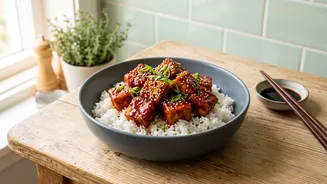
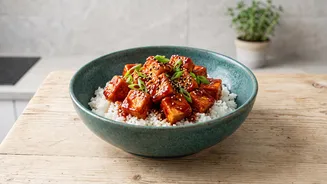
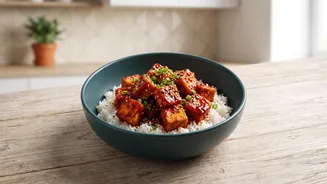
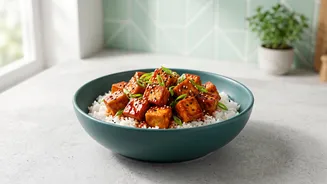
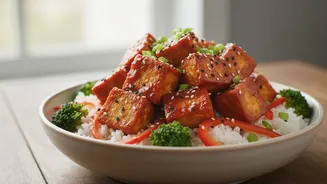
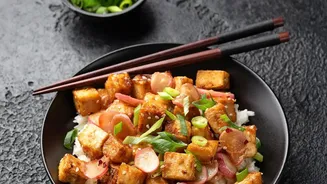
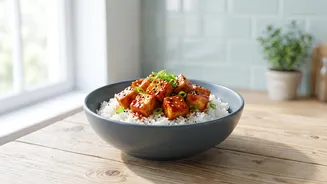
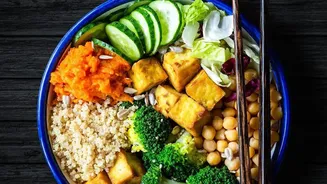
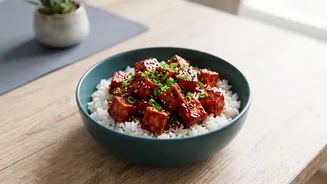
The final step is the most rewarding. Add the crispy tofu to the pan with the thickened sauce and toss quickly—just for 10 to 15 seconds—to coat each piece evenly without letting it sit and get soft. The goal is a beautiful glaze, not a stew. From there, build your bowls. Start with a foundation of fluffy steamed rice. Arrange the saucy, crispy tofu on one side. The rest of the bowl is a canvas for color, texture, and freshness. Add steamed or stir-fried vegetables like broccoli, or fresh elements like a crunchy cucumber salad or pickled red onions. Finish with a sprinkle of toasted sesame seeds and thinly sliced green onions for a final layer of flavor and visual appeal.